

Choosing the Right Security Measures for Denver’s High-Traffic Retail Centers
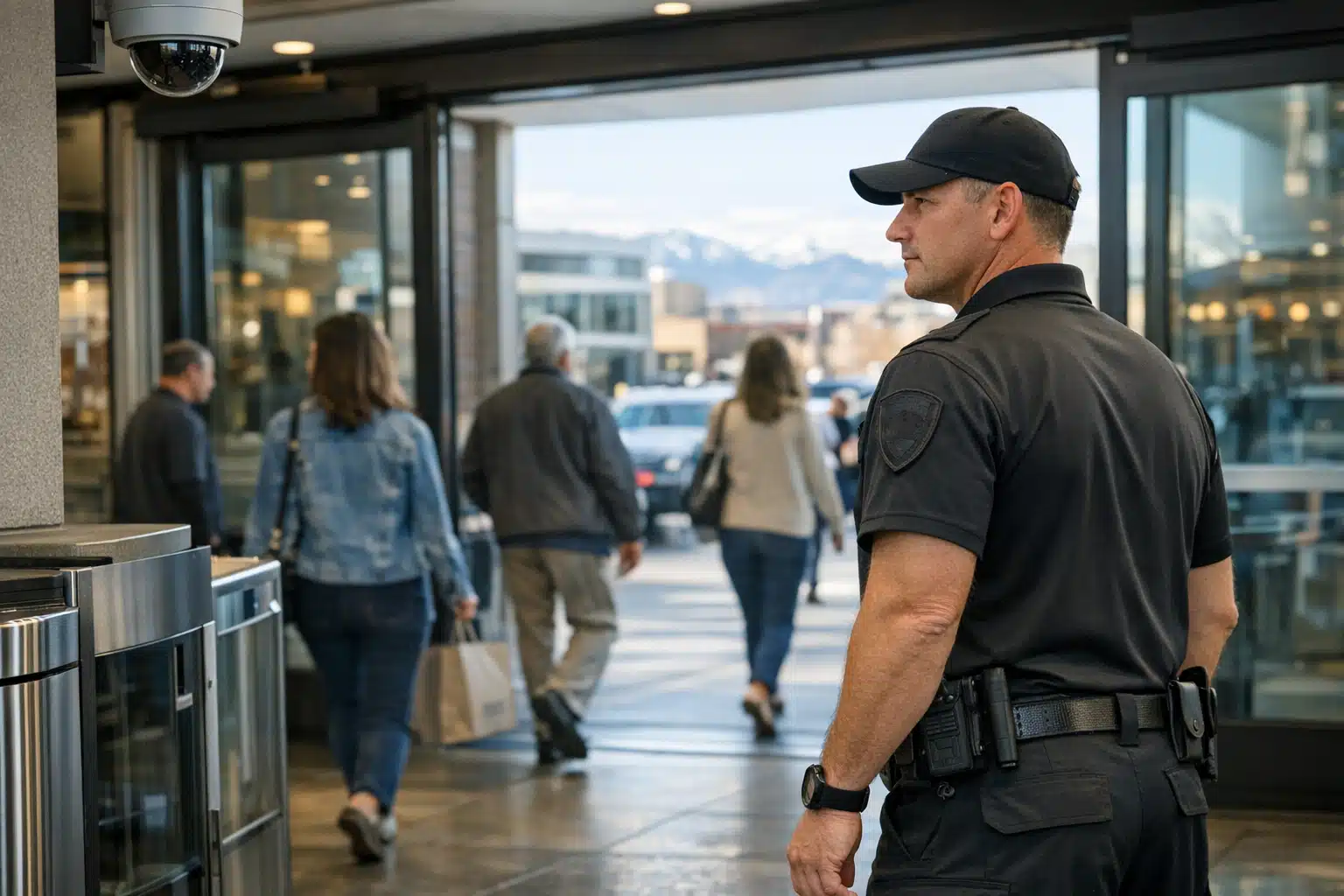
Selecting security measures for Denver retail centers requires evaluating foot traffic patterns, theft risk areas, and local crime data. Focus on visible deterrents like surveillance cameras and trained security personnel at entry points. Combine technology with physical barriers and proper lighting to protect busy commercial corridors while maintaining a welcoming shopping environment for customers.
Denver Retail Centers Face Rising Property Crime Pressure
Denver reported more than 40,000 property crime incidents in recent years, with theft concentrated around commercial corridors. Retail centers along Colorado Boulevard and near Cherry Creek see steady foot traffic and steady exposure.
Retail center security means matching the right mix of guards, cameras, and access controls to a property’s daily rhythm. This post breaks down how to choose those measures for busy Denver shopping sites.
Property managers face shoplifting, vehicle break-ins, and after-hours trespassing. Each risk calls for a different response.
Why High-Traffic Areas Change the Security Math
High-traffic areas produce more customers and more cover for bad actors. A crowded parking lot at a Highlands strip mall hides theft that an empty lot would expose.
Volume also strains staff attention. A single manager cannot watch entrances, registers, and loading docks at once.
Common Threats at Denver Shopping Centers
- Organized retail theft — coordinated groups hitting multiple stores in one visit.
- Vehicle crime — smash-and-grab break-ins in parking structures.
- Loitering and trespassing — after hours near entrances and dumpsters.
- Cart-based theft — merchandise pushed out during peak crowds.
- Winter slip liability — icy walkways that create claims and confusion.
Denver’s freeze-thaw cycles add a physical layer to the risk. Snowbanks block sightlines and create blind corners near entries.
Match Security Measures to Your Property Layout
Start by mapping where people move and where they slow down. Choke points, parking rows, and rear service areas each need a plan.
Step-by-Step Assessment for Denver Retail Sites
- Map foot and vehicle flow. Note peak hours and quiet gaps.
- Identify blind spots. Check corners, stairwells, and loading zones.
- Rank each zone by risk. Rear docks and parking decks usually rank highest.
- Assign the right resource. Guards for interaction, cameras for coverage.
- Set a winter contingency. Account for reduced visibility and ice.
A center in Aurora with a large open lot needs mobile patrols. A tight LoDo storefront row may need a fixed guard presence instead.
On-Site Guards vs. Remote Video Surveillance
Both methods work, and most Denver centers benefit from a mix. The right split depends on budget, hours, and threat type.
When On-Site Guards Make Sense
Guards deter crime by being visible and by responding in person. They handle confrontations, escort staff to cars, and manage crowds during sales.
A Capitol Hill retail block with heavy evening foot traffic gains from a guard who knows regulars and spots patterns. Human judgment fills gaps that cameras cannot.
When Remote Surveillance Wins
Remote video monitoring covers wide areas at lower cost than round-the-clock guards. Trained operators watch live feeds and speak through on-site speakers to warn off intruders.
This works after hours, when a closed center has few staff. Operators verify alarms before calling police, cutting false dispatch fees.
The Hybrid Model for Busy Centers
- Daytime guards for customer-facing hours and theft deterrence.
- Remote monitoring overnight for parking lots and rear entries.
- Mobile patrols during transition hours at open and close.
This layered setup keeps costs controlled without leaving quiet hours exposed.
Camera Placement That Survives Denver Weather
Camera hardware must handle high-altitude sun and sub-zero winter nights. Cheap units fail fast in Front Range conditions.
Placement Priorities
- Entrances and exits — capture faces at eye level.
- Parking rows — angle to read license plates.
- Loading docks — cover the highest-value theft zone.
- Cash-handling areas — position for clear register views.
Choose cameras rated for wide temperature swings. Denver can drop 40 degrees in a single afternoon, and lens fogging ruins footage.
Infrared range matters in unlit lots. Verify night coverage reaches the far edge of each parking area.
Cannabis-Adjacent Retail Has Extra Rules
Some Denver retail centers host cannabis dispensaries alongside standard stores. Colorado law sets strict security standards for those tenants.
State rules require continuous video recording and defined retention periods. A dispensary tenant raises the bar for the whole property.
Shared parking and entrances mean shared risk. Coordinate camera coverage so dispensary compliance supports neighboring stores too.

 Posted on Google
Budgeting Retail Center Security in Denver
Cost depends on square footage, hours, and threat level. A small strip center spends far less than an enclosed mall.
Factors That Move the Price
- Coverage hours — 24/7 guards cost more than night-only monitoring.
- Property size — more cameras and longer patrol routes add up.
- Risk history — sites with repeat incidents need heavier coverage.
- Season — holiday retail rushes may need temporary staffing.
Remote monitoring often cuts overnight costs by half compared to standing guards. Many Denver managers use it to stretch a fixed budget across more hours.
Preparing for Denver’s Seasonal Swings
Retail center security in Denver shifts with the calendar. Holiday crowds in November and December drive theft spikes.
Summer brings longer daylight and heavier lot traffic near shopping hubs. Winter storms cut visibility and slow response times.
Seasonal Checklist
- Add guard hours during the holiday retail surge.
- Clear snow from camera sightlines after each storm.
- Increase lot patrols during summer evening peaks.
- Test backup power before winter outage season.
A center that plans ahead avoids scrambling when the first storm hits. Reactive security costs more and works less.
How to Choose a Denver Security Partner
Pick a provider that knows local crime patterns and Colorado regulations. Ask how they handle winter conditions and holiday staffing.
Request a walk-through of your property before any quote. A serious partner assesses blind spots in person, not from a map alone.
Confirm that remote operators verify events before dispatch. That step protects your center from false-alarm fines and slow response.
Conclusion
Effective retail center security blends visible guards, remote video, and weather-ready cameras matched to your property’s flow. Denver’s crime trends and seasonal swings make local knowledge the deciding factor.
Twin City Security Denver builds coverage plans for high-traffic retail sites across the metro. Call 303‑574‑0000 or email Denver@TwinCitySecurity.com for a property assessment and quote.
Sources
- Denver Police Department – Crime Information and Statistics
- Colorado Marijuana Enforcement Division – Rules and Regulations
- National Retail Federation – National Retail Security Survey
Denver retail centers face over 40,000 annual property crimes, with theft concentrated in high-traffic commercial areas. Effective security requires matching guards, cameras, and access controls to each property's layout and daily patterns.
- High-traffic areas provide cover for organized retail theft, vehicle break-ins, and cart-based theft during peak crowds. Denver's freeze-thaw cycles also create blind spots from snowbanks and slip hazards.
- A hybrid security model works best - daytime guards handle customer-facing hours and confrontations while remote video monitoring covers overnight parking lots at lower cost.
- Camera hardware must handle extreme temperature swings common to the Front Range. Properties with cannabis dispensary tenants face stricter Colorado compliance rules that affect the whole center.


