

How to Optimize Security for Denver’s Cannabis Grow Facilities Amid Regulatory Changes
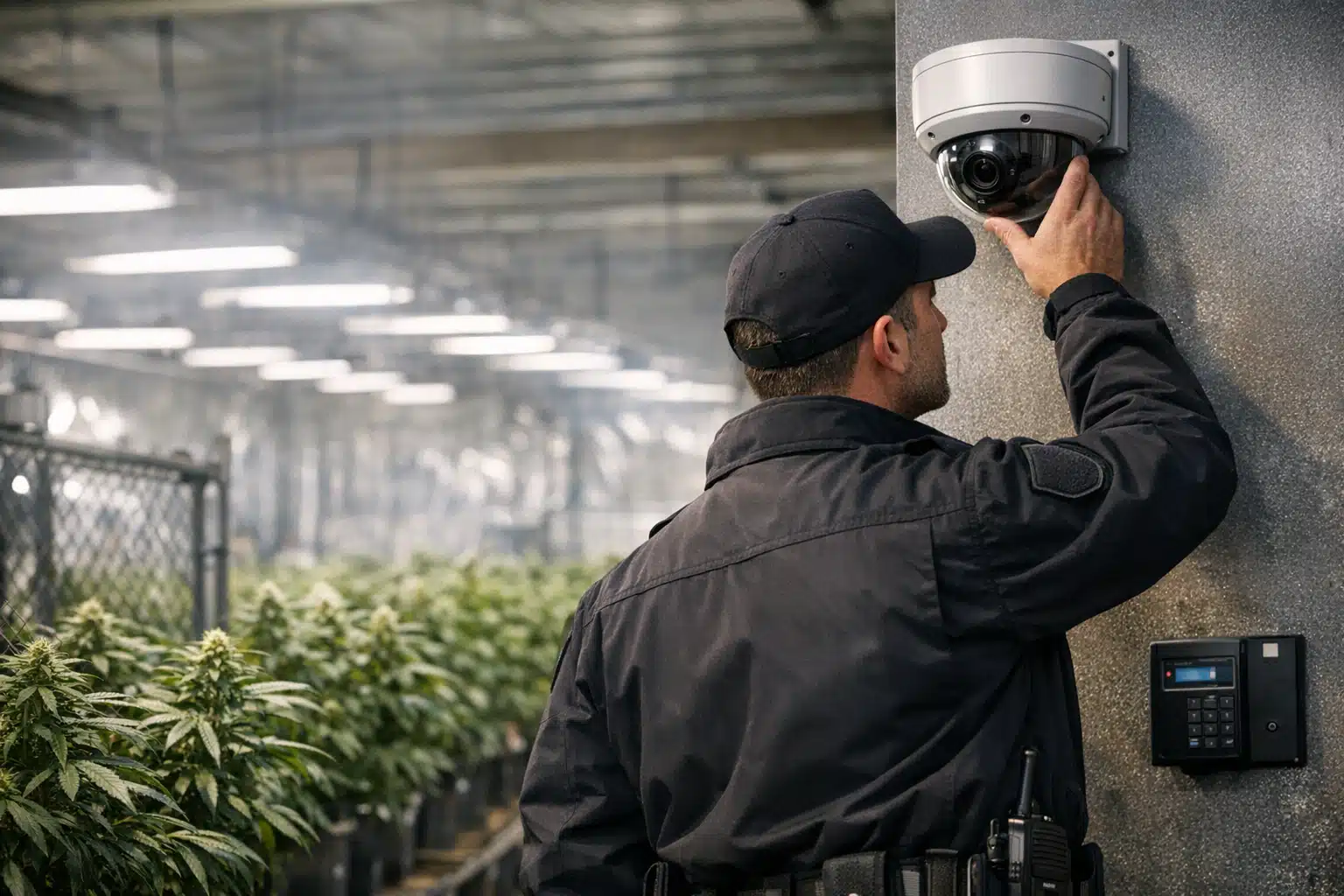
To optimize security for Denver cannabis grow facilities, operators must meet Colorado's Marijuana Enforcement Division requirements including surveillance footage retention for at least 40 days, proper camera placement, high video resolution standards, and detailed access-log documentation. A compliant security setup should address both regulatory inspection requirements and theft prevention through integrated monitoring systems.
Cannabis grow facility security in Denver now depends on more than locked doors and a few cameras. Colorado’s Marijuana Enforcement Division (MED) mandates that licensed cultivators keep surveillance footage for at least 40 days. Recent regulatory changes have tightened camera placement, video resolution, and access-log requirements across the state. This post breaks down what those rules mean for Denver grow operators and how to build a security setup that passes inspection and stops theft.
Grow facilities hold high-value plants and cash-heavy operations. That combination draws organized theft, especially in industrial corridors near Aurora and along the I-70 warehouse belt.
Why Cannabis Grow Facility Security Fails Denver Inspections
Most compliance failures come from small gaps, not major oversights. MED inspectors flag the same problems repeatedly.
Common violations include cameras that miss required coverage zones and footage that degrades below usable resolution. Grow rooms with humidity and heat swings damage cheap equipment fast.
The Most-Cited Compliance Gaps
- Camera coverage gaps at entry points, limited-access areas, and point-of-sale zones
- Footage retention below 40 days due to undersized storage or failed drives
- Low-resolution recordings that cannot identify faces or license plates
- Unsecured server rooms where recording equipment sits exposed
- Missing access logs for limited-access and restricted areas
A single flagged violation can delay license renewal. That downtime costs a Denver grower far more than the fix would have.
How Regulatory Changes Reshaped Grow Security Requirements
Colorado updated cultivation rules to tighten surveillance and inventory tracking. Grow operators now face stricter expectations for where cameras point and how long footage lives.
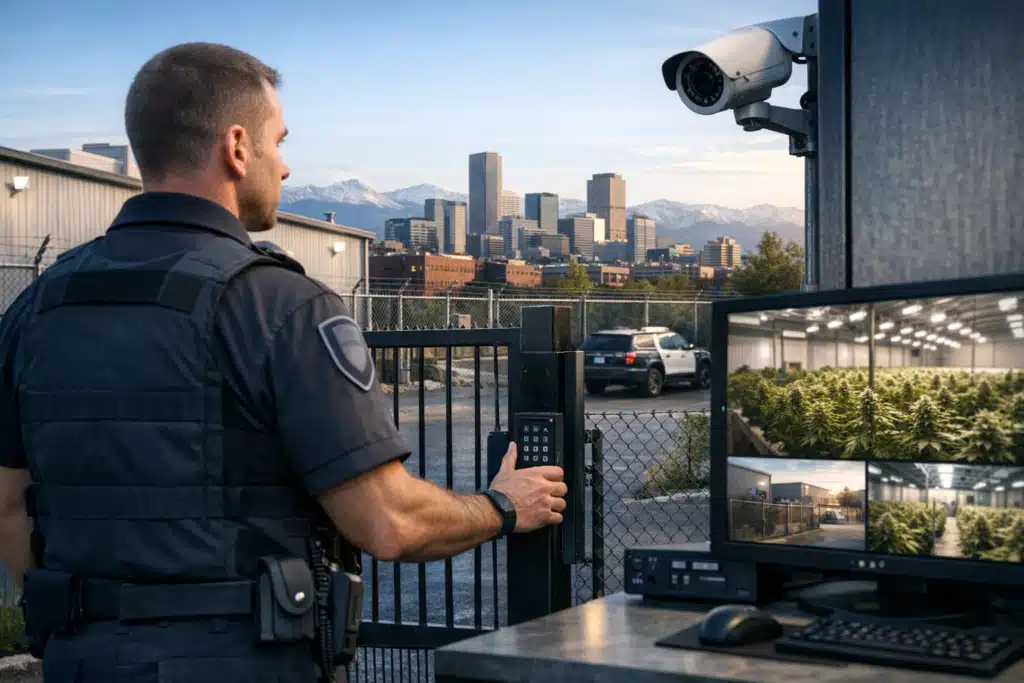
The state ties physical security to seed-to-sale tracking. Cameras must cover every zone where plants are weighed, moved, or destroyed.
What Denver Operators Must Verify Now
- Confirm 40-day retention across all recording devices with room to spare
- Map camera fields of view against every licensed limited-access area
- Check resolution standards so footage identifies people at facility distances
- Secure recording hardware in a locked, access-controlled room
- Document access logs for anyone entering restricted grow zones
Regulatory changes rarely arrive with generous timelines. Operators who audit early avoid scrambling before a renewal deadline.
High-Altitude Winter Challenges for Grow Facility Cameras
Denver sits at 5,280 feet, and winter brings sharp temperature drops. Outdoor cameras on grow facilities face conditions that indoor-rated equipment cannot handle.
Cold snaps below zero can freeze camera housings and crack lenses. Snow glare and low winter sun angles wash out perimeter footage during key theft hours.
Cold-Weather Camera Practices That Work
- Install cold-rated cameras tested for sub-zero Colorado nights
- Add infrared illumination for long winter darkness and early sunsets
- Position cameras against glare from snow-covered lots and low sun
- Use heated housings at exposed loading docks and perimeter fences
- Check lenses after storms for ice buildup that blinds coverage
A grow facility in Commerce City learned this the hard way. Frozen perimeter cameras missed a break-in during a January cold front.
Remote Video Surveillance vs. On-Site Guards for Grow Operations
Grow facilities benefit from both remote monitoring and on-site guards. The right mix depends on facility size, location, and theft history.
Remote video surveillance lets trained operators watch live feeds around the clock. They spot intruders before entry and alert police with real-time detail.
When Remote Monitoring Fits Best
Remote surveillance works for facilities with strong camera coverage and defined perimeters. It suits warehouse-style grows in industrial zones near Aurora and Commerce City.
Operators watch for after-hours motion, loitering vehicles, and fence-line activity. Voice-down speakers let them warn trespassers directly.
When On-Site Guards Matter More
On-site guards fit facilities with heavy foot traffic, cash handling, or multiple access points. A visible guard deters opportunistic theft during business hours.
Many Denver grows pair both. Guards handle daytime access control, and remote monitoring covers nights and weekends.

 Posted on Google
Building a Grow Facility Security Plan That Passes and Protects
A strong plan meets MED rules and stops real threats. Compliance alone does not guarantee protection.
Start with a walk-through that maps every licensed zone against current camera coverage. Then match equipment to Denver’s climate and your theft risk.
Step-by-Step Security Setup for Denver Grows
- Audit current coverage against MED limited-access requirements
- Upgrade storage to exceed the 40-day retention rule
- Install cold-rated cameras at every exterior point
- Lock down recording hardware in a controlled room
- Add remote monitoring for after-hours coverage
- Set access-control logs for restricted grow zones
- Test the full system before your next renewal cycle
Document every step. Inspectors want proof that your setup meets state standards.
What Grow Facility Security Costs in Denver
Costs vary with facility size and coverage needs. A small warehouse grow needs fewer cameras than a multi-room cultivation site.
Remote monitoring runs on a monthly basis and often costs less than round-the-clock guards. Many operators combine a base monitoring plan with scheduled guard hours during peak risk windows.
The real cost comparison involves theft and license delays. One major break-in or failed inspection outweighs years of monitoring fees.
Conclusion
Denver cannabis grow facility security now demands cold-rated cameras, verified 40-day footage retention, and coverage that matches every MED-licensed zone. Regulatory changes reward operators who audit early and pair remote monitoring with on-site guards. A plan built for both compliance and real theft protection keeps your license active and your plants safe.
Twin City Security Denver builds grow facility security plans matched to Colorado rules and Rocky Mountain weather. Call 303‑574‑0000 or email Denver@TwinCitySecurity.com for a Denver grow facility security assessment.
Sources
- Colorado Department of Revenue – Marijuana Enforcement Division
- Colorado General Assembly – Title 44 Marijuana Code
- City and County of Denver – Marijuana Licensing
Cannabis grow facility security in Denver requires compliance with Colorado's Marijuana Enforcement Division rules, including 40-day footage retention, specific camera placement, and access-log documentation. Recent regulatory changes have tightened requirements, making early audits and proper equipment selection critical for operators.
- Common inspection failures include camera coverage gaps, insufficient storage for 40-day retention, low-resolution footage, unsecured server rooms, and missing access logs for restricted areas.
- Denver's high altitude and cold winters demand cold-rated cameras with heated housings and infrared illumination to prevent equipment failure during sub-zero temperatures.
- Operators benefit from combining remote video surveillance for after-hours monitoring with on-site guards for daytime access control and high-traffic periods.


