

How to Protect Denver’s Cannabis Facilities During Fall Harvest
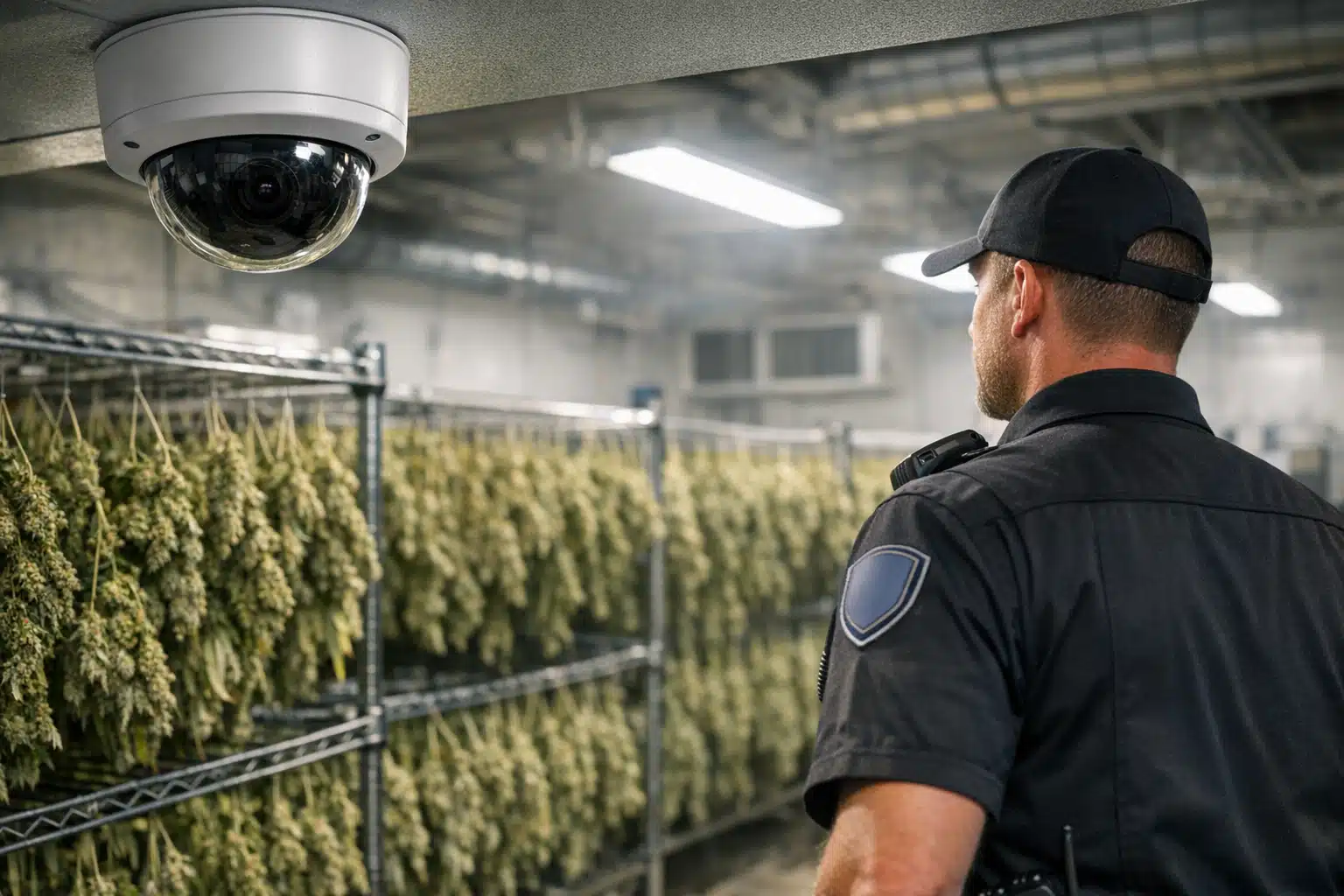
Protect your cannabis facility during fall harvest by increasing security patrols, upgrading surveillance systems, and reinforcing access controls to drying rooms. Install motion sensors and alarm systems in high-value storage areas. Conduct employee background checks and limit access to inventory zones. Partner with local security firms familiar with Denver's cannabis regulations to monitor facilities during peak September through November harvest periods.
Cannabis security risks spike every fall in Denver, when harvested product sits in drying rooms worth hundreds of thousands of dollars. Between September and November, cannabis facilities across Aurora, Commerce City, and the RiNo corridor hold their highest inventory levels of the year. This post explains how to protect your grow and processing operation during the busiest, riskiest weeks on the calendar.
Thieves know when harvest happens. A single breach during peak drying season can wipe out a full crop cycle.
Why Cannabis Security Gets Harder During Fall Harvest
Fall harvest concentrates value in a short window. Plants that spent months in vegetative and flowering stages now become packaged, saleable product within weeks.
That compression creates three specific pressure points:
- Higher on-site inventory than any other time of year
- More staff and temporary trim workers moving through secure areas
- Extended operating hours that blur your normal access schedule
Each of these widens the gap criminals look for. Temporary trim crews, for example, rotate fast and rarely get the same vetting as full-time employees.
Denver’s Crime Patterns Make Timing Matter
Denver cannabis burglaries cluster around high-inventory periods. Facilities in industrial zones near Interstate 70 and Peña Boulevard see repeated after-hours entry attempts.
Isolated warehouse locations give intruders cover. Many grow operations sit in low-traffic industrial pockets where nobody notices a cut fence at 3 a.m.
Cannabis Security Requirements Under Colorado Rules
Colorado’s Marijuana Enforcement Division sets baseline security standards every licensed facility must meet. Video surveillance, access logs, and alarm systems are not optional.
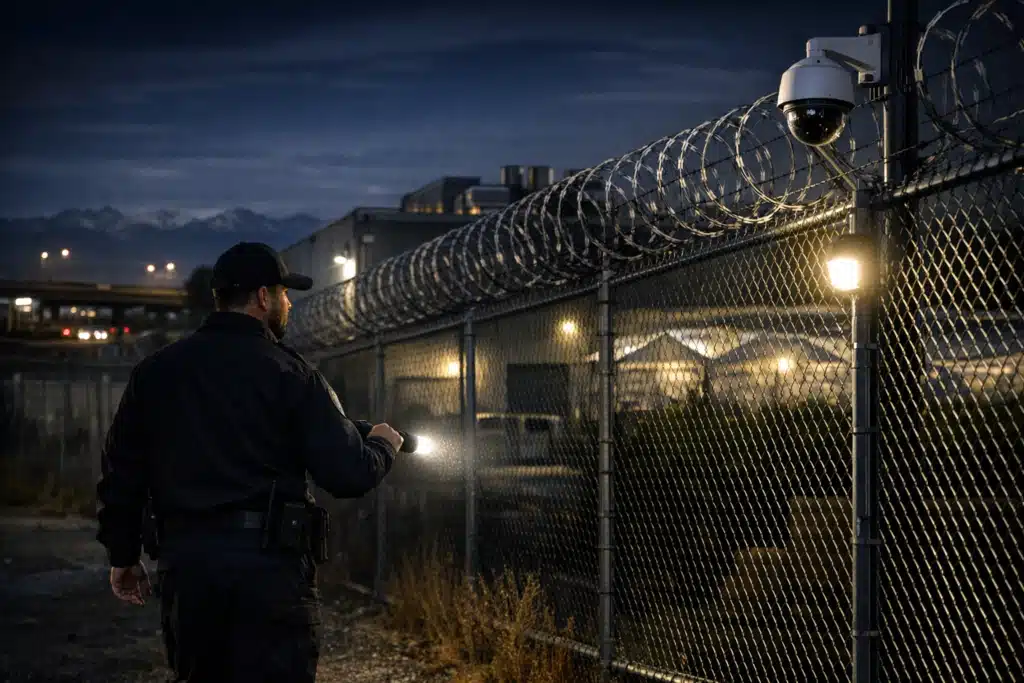
Harvest season raises the stakes on compliance, not just theft. Regulators expect your camera coverage and record retention to hold up during inventory reconciliation.
What State Rules Expect You to Have
- Camera coverage of all limited-access areas, entrances, and point-of-sale zones
- 40 days of recorded footage retained and available for review
- Alarm systems on every perimeter entry point
- Access logs tracking who enters restricted rooms and when
During harvest, drying and trimming rooms become limited-access areas holding peak value. Your camera placement should cover every angle where product changes hands.
How Remote Video Surveillance Protects Harvest Inventory
Remote video monitoring watches your facility when staff go home. Live operators review camera feeds in real time and respond to activity as it happens.
This matters more during harvest because product sits unattended overnight. A recorded video you review tomorrow does not stop a theft happening now.
Active Monitoring Versus Passive Recording
Passive cameras record events for later. Active remote monitoring intervenes before loss occurs.
When a monitored camera detects movement along a fence line, an operator can:
- Trigger a live voice-down warning over on-site speakers
- Verify whether the motion is a person, animal, or weather
- Dispatch Denver police with eyewitness confirmation
- Alert your on-site guard team instantly
Video verification cuts police response delays. Confirmed crimes in progress get priority over unverified alarm calls.
Why Verified Alarms Beat Standard Sensors
Standard motion alarms generate false alerts from wind, wildlife, and shifting shadows. Denver police deprioritize facilities with repeat false alarms.
Remote operators confirm real threats with their own eyes. That confirmation moves your call to the front of the dispatch queue.
On-Site Security Guards During Peak Harvest Weeks
On-site guards add a physical presence cameras cannot replace. A uniformed officer at the entrance deters opportunists and controls who gets inside.
Harvest brings outside vendors, extra deliveries, and seasonal labor. Guards verify identities and escort non-employees through restricted zones.
Where Guards Add the Most Value
Position guards at the points where your risk concentrates:
- Loading docks during product transfers and deliveries
- Trim room entrances where temporary staff access cured product
- Parking lots where employees carry bags in and out
- Perimeter patrols after sunset on isolated industrial lots
Internal theft rises during harvest. More hands touching product means more opportunity for diversion.
Pairing Guards With Remote Monitoring
Guards and cameras work best together. One officer cannot watch every door, fence, and room at once.
Remote operators act as a second set of eyes. They direct the on-site guard to problem areas the moment something looks wrong.

 Posted on Google
Rocky Mountain Weather and Fall Harvest Security
Denver weather turns fast in October. Early snow and temperature swings affect both your crop and your security equipment.
Cold snaps strain outdoor cameras and motion sensors. Snow glare and fog reduce visibility exactly when you need clear footage.
Preparing Equipment for Cold-Weather Reliability
- Confirm cameras are rated for sub-freezing Colorado temperatures
- Add infrared or thermal imaging for low-light and snowy conditions
- Protect wiring and power sources from ice and moisture
- Test battery backups before the first hard freeze
A camera that fails in a snowstorm leaves a blind spot. Thieves exploit weather the same way they exploit darkness.
Building a Harvest Security Plan That Works
Start your harvest security planning in late summer, not the week product comes down. Equipment orders, guard scheduling, and camera adjustments take time.
Follow this sequence to prepare your Denver facility:
- Audit camera coverage against your expanded limited-access areas
- Vet and badge seasonal workers before they start
- Schedule added guard hours for peak drying and packaging weeks
- Activate remote monitoring for overnight and weekend coverage
- Review access logs daily during the highest-inventory period
Written protocols matter as much as hardware. Every staff member should know who to call when an alarm triggers at 2 a.m.
Common Gaps Denver Operators Miss
Many facilities cover their grow rooms but forget transport. Product moving between buildings or to distribution sits exposed during transfer.
Another frequent gap is after-hours loading. Deliveries scheduled outside normal hours need the same guard oversight as daytime transfers.
Protect Your Denver Cannabis Facility This Season
Fall harvest concentrates your inventory, your staff, and your risk into a few short weeks. Active remote monitoring, on-site guards, and weather-ready equipment close the gaps thieves count on.
Twin City Security Denver builds harvest-season protection plans for licensed cannabis operators across the metro area. Call 303‑574‑0000, email Denver@TwinCitySecurity.com, or visit https://www.twincitysecuritydenver.com for a facility security assessment before your next harvest.
Sources
- Colorado Department of Revenue – Marijuana Enforcement Division
- City and County of Denver – Marijuana Licenses
- Denver Police Department – Crime Information and Statistics
Cannabis security risks increase during Denver's fall harvest season from September through November, when facilities hold their highest inventory levels. Twin City Security Denver outlines how to protect grow and processing operations during this high-risk period.
- Fall harvest concentrates product value in a short window, with more staff, temporary workers, and extended hours creating security gaps. Denver cannabis burglaries cluster around high-inventory periods, especially in isolated industrial zones.
- Colorado's Marijuana Enforcement Division requires video surveillance, access logs, and alarm systems for all licensed facilities. Camera coverage must include all limited-access areas with 40 days of retained footage.
- Remote video monitoring with live operators can intervene during theft attempts, while on-site guards control access at loading docks and trim rooms. Planning should start in late summer to allow time for equipment orders and staff vetting.


