

How to Choose the Best Security Solution for Denver’s Cannabis Dispensaries
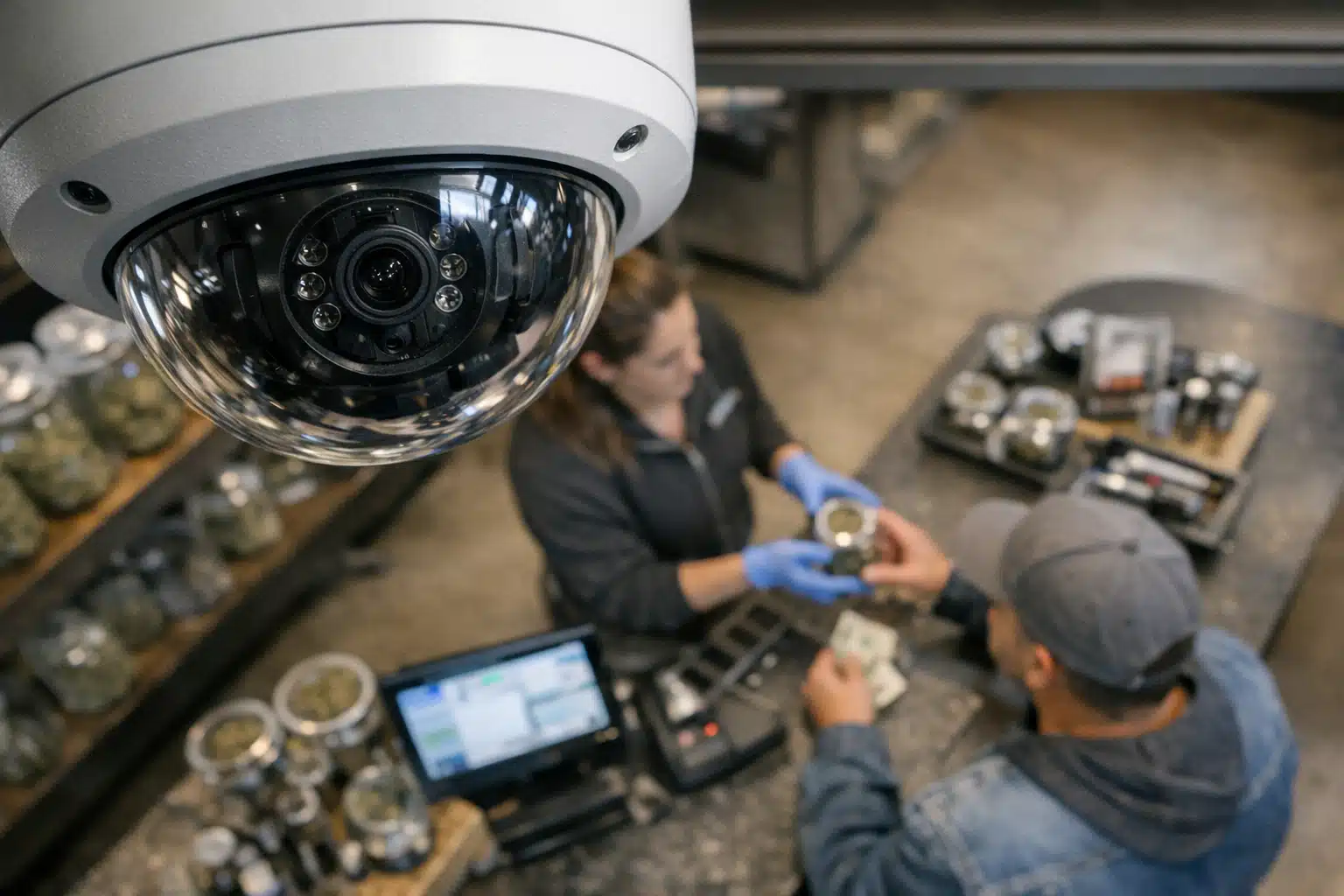
Selecting the right security solution for Denver cannabis dispensaries requires evaluating cash handling risks, compliance with state regulations, and theft prevention needs. Focus on systems that combine video surveillance, access control, and alarm monitoring. Consider providers experienced with cannabis industry requirements, and prioritize solutions that integrate inventory tracking with physical security measures.
Denver Dispensaries Face Security Risks Most Retailers Never See
Denver dispensaries handle cash and product that make them frequent targets. Cannabis remains a cash-heavy business because federal banking rules limit card access.
That cash draws burglars, and strong cannabis security is the difference between a minor incident and a devastating loss. Colorado also enforces some of the strictest surveillance rules in the country.
This post explains how Denver dispensary owners can meet state rules, cut theft, and pick the right protection for their location.
What Colorado Cannabis Security Rules Actually Require
The Colorado Marijuana Enforcement Division (MED) sets exact security standards for every licensed store. Missing a requirement can cost you your license, not just a fine.
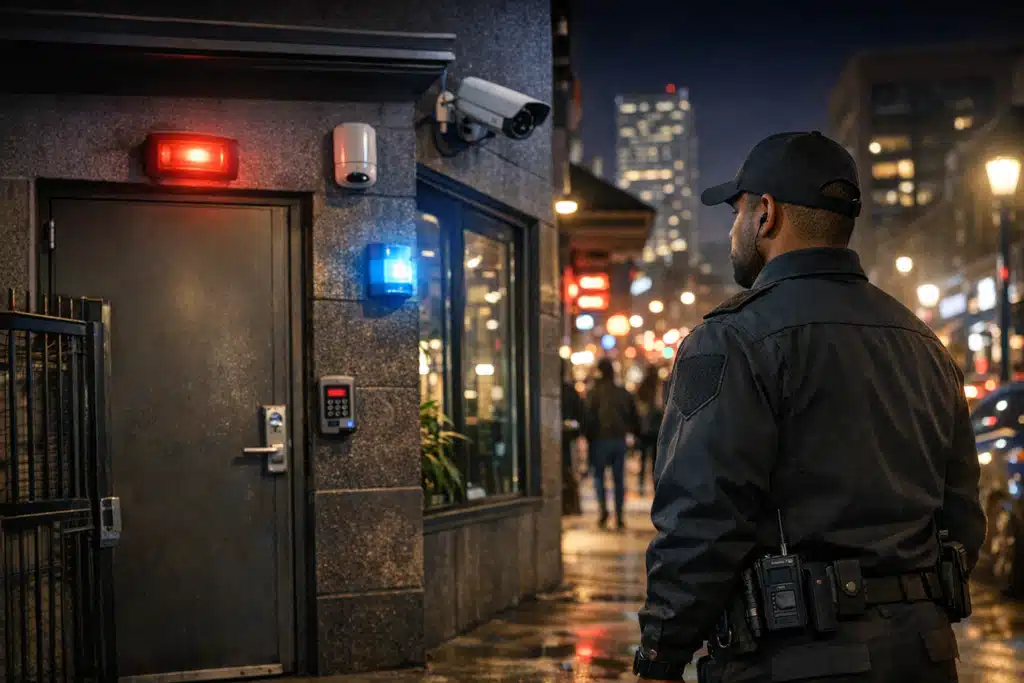
Dispensary protection in Colorado starts with meeting these baseline MED rules:
- Camera coverage: Recording at all points of sale, entrances, exits, and areas where product is stored or handled.
- Video retention: Footage kept for a minimum of 40 days.
- Resolution standards: Cameras must capture clear, identifiable images.
- Alarm systems: Coverage on all perimeter entry points.
- Limited access areas: Restricted zones for inventory and cash handling.
Many Denver owners buy a camera package that technically records but fails an audit. The image is too grainy at the register, or a blind spot sits over the safe.
Where Denver Dispensaries Fail MED Inspections
Camera placement is the most common gap we see during site walks. A camera angled at the front door but not the transaction counter misses the exact moment that matters.
Storage room coverage trips up new operators too. Product moving from vault to floor must stay on camera the entire time.
Cannabis Security Threats Unique to Denver Neighborhoods
Risk changes block by block across the metro area. A LoDo dispensary near nightlife faces different problems than one on East Colfax or in Aurora.
Downtown and LoDo
Foot traffic stays high late into the night here. Late-hour loitering, panhandling, and after-close break-in attempts drive most calls in this zone.
On-site guards during evening hours reduce confrontation risk at closing time. Staff walking to their cars with deposit bags need visible protection.
East Colfax and Capitol Hill
Older buildings on Colfax have rear entrances and alleys that create hidden approach points. Burglars target roofs and back doors during overnight hours.
Remote video monitoring covers these blind spots when no one is on-site. A live operator can trigger a voice-down warning before a break-in finishes.
Aurora and Outer Metro
Standalone buildings with large parking lots invite smash-and-grab attempts. Wide exterior coverage and license plate capture matter most here.
On-Site Guards vs. Remote Video Monitoring
Both models protect dispensaries, but each fits a different situation. Many Denver stores use a mix based on hours and layout.
When On-Site Guards Make Sense
A physical guard deters theft and manages customer flow during open hours. Guards handle real-time problems: an aggressive customer, a fake ID, or a crowd at product drops.
On-site coverage fits high-volume stores and locations with frequent walk-in issues. A uniformed presence at the door changes how people behave.
When Remote Monitoring Wins
Remote video monitoring watches your property overnight for a fraction of guard cost. Trained operators view live feeds and respond to motion after hours.
Voice-down speakers let an operator warn intruders in real time. Many burglars leave the moment they hear a live voice call them out by location.
This model works for:
- Overnight coverage when the store is closed
- Perimeter and parking lot protection
- Backup monitoring for stores that already run daytime guards
- Multi-location owners who need central oversight
How Denver Winter Affects Dispensary Security
High-altitude winters create problems most vendors ignore. Snow, ice, and short daylight change what your system must handle.
Cameras need infrared and low-light performance for long dark evenings. A feed that looks fine in July may go useless by 5 p.m. in December.
Cold also affects hardware. Exterior cameras and sensors rated for Colorado temperature swings avoid failure during the worst storms.
Snow-covered lots hide footprints and slow police response. Live monitoring matters more when a squad car takes longer to arrive in a storm.

 Posted on Google
Steps to Choose the Right Dispensary Protection
Picking a security provider takes more than comparing quotes. Follow these steps to protect your license and your product.
- Confirm MED compliance first. Ask any vendor to map coverage against current Colorado camera and retention rules.
- Get a site walk. A real assessment finds blind spots, weak entry points, and camera angle gaps.
- Match coverage to your hours. Decide where guards, remote monitoring, or both fit your schedule.
- Plan for cash handling. Protect deposit runs, safe rooms, and closing routines.
- Test winter performance. Verify cameras handle low light and freezing temperatures.
- Ask about response. Know exactly what happens when an alarm or motion event triggers.
Questions to Ask Every Security Vendor
- Do your camera specs meet current MED requirements?
- How fast do live operators respond to an after-hours event?
- Can you provide voice-down intervention?
- What happens to my footage during a power outage?
- Do you know Denver zoning and dispensary rules firsthand?
Why Local Denver Knowledge Matters for Cannabis Security
A vendor who works Denver streets understands crime patterns a national chain never sees. They know which corridors draw overnight break-ins and which alleys create exposure.
Local response also moves faster. When an operator knows the difference between a LoDo alley and an Aurora loading dock, decisions happen quicker.
Twin City Security Denver protects dispensaries across the metro area with on-site guards and remote video monitoring built for Colorado rules.
Protect Your Dispensary the Right Way
Strong cannabis security keeps your license safe, your staff protected, and your product secure. The right mix of guards and remote monitoring depends on your location, hours, and layout.
Contact Twin City Security Denver for a dispensary security assessment. Call 303‑574‑0000 or email Denver@TwinCitySecurity.com to build a plan that fits your store.
Sources
- Colorado Department of Revenue – Marijuana Enforcement Division
- Denver Police Department – Crime Information and Statistics
- Colorado Marijuana Enforcement Division – Rules and Regulations
Denver cannabis dispensaries face unique security challenges due to cash-heavy operations and strict Colorado regulations. Twin City Security Denver offers guidance on meeting state requirements while addressing location-specific threats across the metro area.
- Colorado's Marijuana Enforcement Division requires camera coverage at all sales points and entrances, 40-day video retention, clear image resolution, and alarm systems on all perimeter entries. Failed audits can cost dispensaries their license.
- Security needs vary by neighborhood - downtown locations face after-hours break-ins and loitering, East Colfax has vulnerable rear entrances and alleys, while Aurora's standalone buildings see smash-and-grab attempts in parking lots.
- On-site guards work best for high-volume stores during open hours, while remote video monitoring with voice-down speakers provides cost-effective overnight protection. Denver winters require cameras rated for low light and freezing temperatures.


