

Choosing the Right Remote Surveillance System for Denver’s Unique Climate
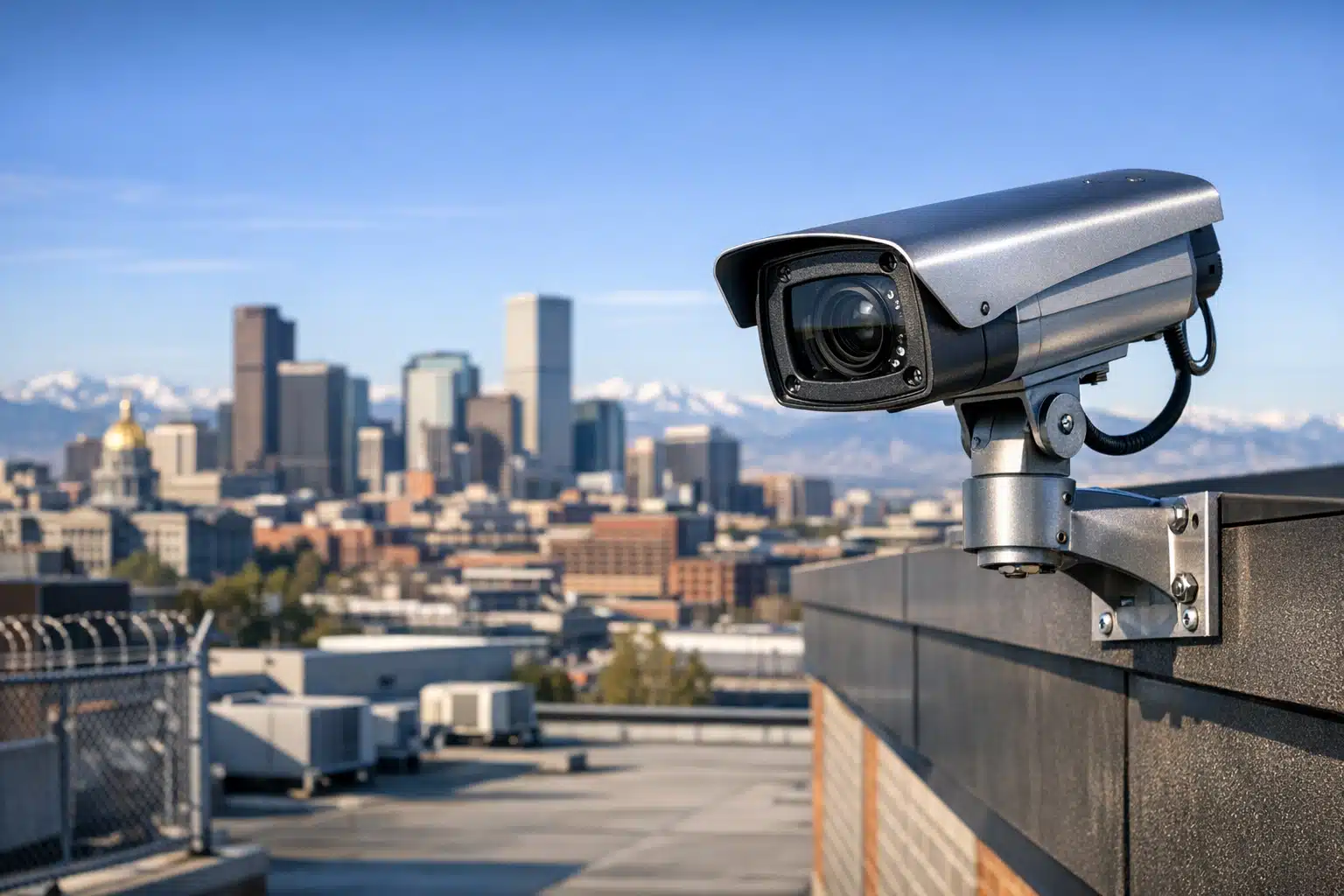
When selecting a remote surveillance system for Denver, prioritize equipment rated for extreme temperature ranges from -10°F to over 100°F. Consider altitude-related factors at 5,280 feet that affect standard equipment performance. Look for weatherproof housings, heated camera enclosures for winter, and cooling systems for summer to prevent system failures during critical monitoring periods.
Denver’s unique climate presents specific challenges for remote surveillance systems that many business owners discover too late. With temperatures ranging from -10°F in winter to over 100°F in summer, plus altitude-related factors at 5,280 feet, standard surveillance equipment often fails when Denver businesses need it most.
Selecting the right system requires understanding how Denver climate affects camera performance, connectivity, and maintenance costs. This guide covers the technical specifications and practical considerations that ensure your surveillance investment protects your property year-round.
How Denver’s Altitude Affects Remote Surveillance Equipment
Denver’s mile-high elevation creates three specific challenges for surveillance systems that don’t exist at sea level. Lower air density reduces heat dissipation from electronic components, causing cameras and recording equipment to run hotter than manufacturer specifications suggest.
UV radiation intensity increases approximately 25% for every 1,000 feet of elevation. This accelerated UV exposure degrades camera housings, lens coatings, and cable sheathing faster than equipment installed in lower-altitude cities.
Barometric pressure variations also affect sealed camera housings. Pressure changes between weather fronts can create condensation inside poorly designed enclosures, leading to lens fogging and electronic failures.
Altitude-Resistant Equipment Specifications
Choose cameras rated for operation at elevations above 6,000 feet. These units include enhanced cooling systems and pressure-equalization features that prevent altitude-related failures.
Look for UV-resistant ratings of at least IP65 with polycarbonate or aluminum housings. Avoid plastic housings that become brittle under intense UV exposure combined with temperature cycling.
Winter Weather Considerations for Remote Surveillance
Denver’s winter conditions test surveillance systems in ways that mild climates never reveal. Snow accumulation on camera lenses can block views for days without proper heating systems or strategic mounting angles.
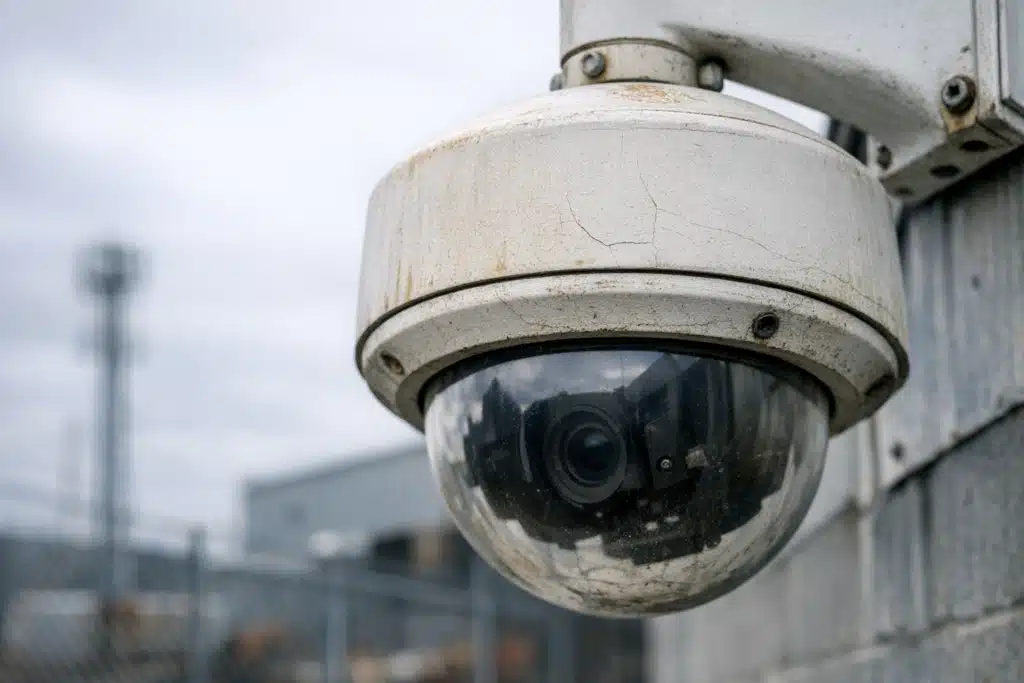
Ice formation presents a more serious challenge than snow. Freezing rain creates ice shells around cameras that standard defrost systems cannot penetrate. This ice can also snap cables and damage mounting hardware when it melts and refreezes.
Cold Weather Performance Requirements
Select cameras with operating temperature ranges down to -40°F, not just the -10°F typical of Denver winters. This buffer ensures reliable operation during extreme cold snaps and accounts for wind chill effects on exposed equipment.
Heated camera housings consume additional power but prevent ice formation and maintain lens clarity. Factor this increased power consumption into your electrical planning and backup power calculations.
POE+ (Power over Ethernet Plus) provides 60 watts instead of standard POE’s 15 watts, supplying sufficient power for heating elements and high-performance cameras through a single cable.
Summer Heat and Remote Surveillance System Reliability
Denver’s summer temperatures regularly exceed 100°F, and direct sunlight can heat camera housings to 140°F or higher. This extreme heat causes image sensors to produce noisy, unusable footage and can permanently damage electronic components.
Thermal cycling between hot days and cool nights stresses connections and circuit boards. Equipment not designed for these temperature swings develops intermittent failures that are difficult to diagnose and costly to repair.
Heat Management Strategies
Install cameras with built-in thermal management that automatically adjusts frame rates and resolution to reduce heat generation during peak temperatures. This maintains surveillance coverage while protecting equipment.
Sunshade positioning reduces direct solar heating by up to 30 degrees. Orient cameras to minimize afternoon sun exposure, particularly on south and west-facing installations.
Active cooling systems or thermoelectric coolers maintain consistent internal temperatures but require additional power infrastructure and maintenance scheduling.
Connectivity Challenges in Denver’s Remote Surveillance Environment
Denver’s terrain and urban density create unique connectivity obstacles for remote surveillance systems. Downtown areas between LoDo and Capitol Hill experience wireless interference from dense building concentrations and competing signals.
Mountain proximity affects cellular and wireless signals unpredictably. Weather patterns moving through the Front Range can disrupt connections without warning, leaving surveillance systems offline during critical periods.
Reliable Connection Methods
Fiber optic connections provide the most reliable data transmission but require significant infrastructure investment. Consider fiber for permanent installations with high-value assets or regulatory requirements.
Cellular backup systems should include multiple carrier support. Verizon and AT&T have different coverage patterns in Denver’s suburban areas, and automatic failover prevents single-carrier outages.
Point-to-point wireless links work well for construction sites and temporary installations. These systems can bridge distances up to several miles with clear line-of-sight, bypassing internet infrastructure entirely.
Power Management in Denver’s Climate Extremes
Power consumption varies dramatically with temperature in surveillance systems. Camera heating during winter and cooling during summer can double electrical requirements compared to mild weather operation.
Denver’s frequent afternoon thunderstorms create power surges and outages that damage unprotected equipment. Lightning strikes within several miles can induce destructive voltage spikes in data and power cables.
Robust Power Solutions
Uninterruptible power supplies (UPS) should provide at least 4 hours of runtime at full load, including heating and cooling power consumption. Size batteries for winter power requirements, not just standard camera operation.
Surge protection must cover both power and data lines. Install suppressors rated for outdoor use with response times under 1 nanosecond to handle lightning-induced surges.
Solar power systems require oversizing in Denver due to reduced winter sunlight and increased power consumption. Plan for 150% of calculated power needs and include battery storage for 3-day autonomy.

 Posted on Google
Cannabis Facility Surveillance in Denver Climate
Colorado’s cannabis regulations require specific surveillance capabilities that standard systems often cannot provide reliably in Denver’s climate. Recording system failures during compliance audits result in significant penalties and potential license issues.
Cannabis facilities need 24/7 recording with 90-day retention minimums. Climate-related equipment failures that create recording gaps violate state requirements and trigger regulatory investigations.
Compliance-Grade Climate Protection
Redundant recording systems with automatic failover ensure continuous compliance even during equipment maintenance or weather-related failures. Store backup recordings in separate climate-controlled locations.
Environmental monitoring tracks temperature, humidity, and equipment status to predict failures before they occur. This proactive approach prevents compliance violations and costly emergency repairs.
Construction Site Surveillance Durability
Denver construction sites face additional challenges beyond standard climate concerns. Dust from excavation and concrete work clogs camera filters and obscures lenses faster in Denver’s dry climate.
Equipment theft increases during winter months when construction slows but surveillance needs remain high. Temporary installations must balance security with weather protection and easy relocation capabilities.
Construction-Specific Features
Choose cameras with tool-free mounting systems that allow quick relocation as construction progresses. Magnetic mounts work well for temporary installations on metal structures and equipment.
Vandal-resistant housings protect against both intentional damage and construction debris. Impact ratings of IK10 withstand hammer blows and protect against falling objects common on active construction sites.
Maintenance Planning for Denver Climate Conditions
Regular maintenance prevents climate-related failures and extends equipment life in Denver’s harsh conditions. Schedule cleaning and inspections before and after winter to address ice damage and prepare for summer heat stress.
Preventive maintenance costs significantly less than emergency repairs during blizzards or extreme heat events when technician availability is limited and replacement parts may be delayed.
Seasonal Maintenance Schedule
Spring maintenance focuses on winter damage assessment, cleaning accumulated debris, and testing heating systems before storage. Check all cable connections for frost damage and corrosion from road salt exposure.
Summer preparation includes cleaning dust from cooling systems, verifying sunshade positioning, and testing thermal management functions before peak heat season.
Fall preparation covers weather sealing inspection, battery testing, and backup power system verification before winter weather arrives.
Cost Considerations for Climate-Resistant Systems
Climate-resistant surveillance systems cost 30-40% more initially than standard equipment, but replacement costs for failed standard systems often exceed this premium within two years of installation.
Energy costs vary seasonally with heating and cooling requirements. Budget for winter heating power consumption that can triple normal camera power draw during extended cold periods.
Insurance benefits often offset higher equipment costs. Many insurers provide discounts for properly installed, climate-appropriate surveillance systems that reduce theft and vandalism claims.
Choosing climate-appropriate remote surveillance systems protects your Denver business investment and ensures reliable security coverage year-round. Proper equipment selection, professional installation, and proactive maintenance create surveillance systems that perform consistently despite Denver’s challenging climate conditions.
Contact Twin City Security Denver at 303‑574‑0000 for climate-specific surveillance system design and installation tailored to your Denver location and security requirements.
Sources
- National Weather Service – Denver Weather and Climate
- Colorado Department of Revenue – Cannabis Enforcement Rules
- NIST – Weather Impacts on Electronic Systems
Denver's climate - with extreme temperatures, high altitude, and intense UV exposure - creates specific challenges for remote surveillance systems that require specialized equipment and planning.
- At 5,280 feet, lower air density causes electronics to run hotter, UV radiation degrades housings faster, and pressure changes can create condensation inside camera enclosures.
- Winter conditions demand cameras rated to -40°F with heated housings, while summer heat reaching 140°F on camera surfaces requires thermal management and sunshade positioning.
- Climate-resistant systems cost 30-40% more upfront but prevent frequent replacements, and seasonal maintenance before and after winter helps extend equipment life in harsh conditions.


