

How to Ensure Compliance with Denver’s Security Regulations This Spring
To comply with Denver's updated 2026 security regulations before the April 15 deadline, cannabis facilities must meet stricter surveillance mandates while construction sites need enhanced perimeter security. Property managers should review the new requirements specific to their industry, assess current security systems for gaps, and implement necessary upgrades to avoid enforcement penalties.
Denver updated its security regulations in early 2026, with new compliance requirements taking effect this spring. Cannabis facilities now face stricter surveillance mandates, while construction sites must meet enhanced perimeter security standards. Property managers across LoDo and Capitol Hill are scrambling to understand these changes before the April 15 enforcement deadline.
This guide breaks down the key updates to Denver security regulations and provides actionable steps to ensure your business stays compliant through spring and beyond.
Major Changes in Denver Security Regulations for Spring 2026
The Denver Department of Public Safety implemented three significant regulatory updates that affect most commercial properties and specialized facilities.
Cannabis Facility Security Updates
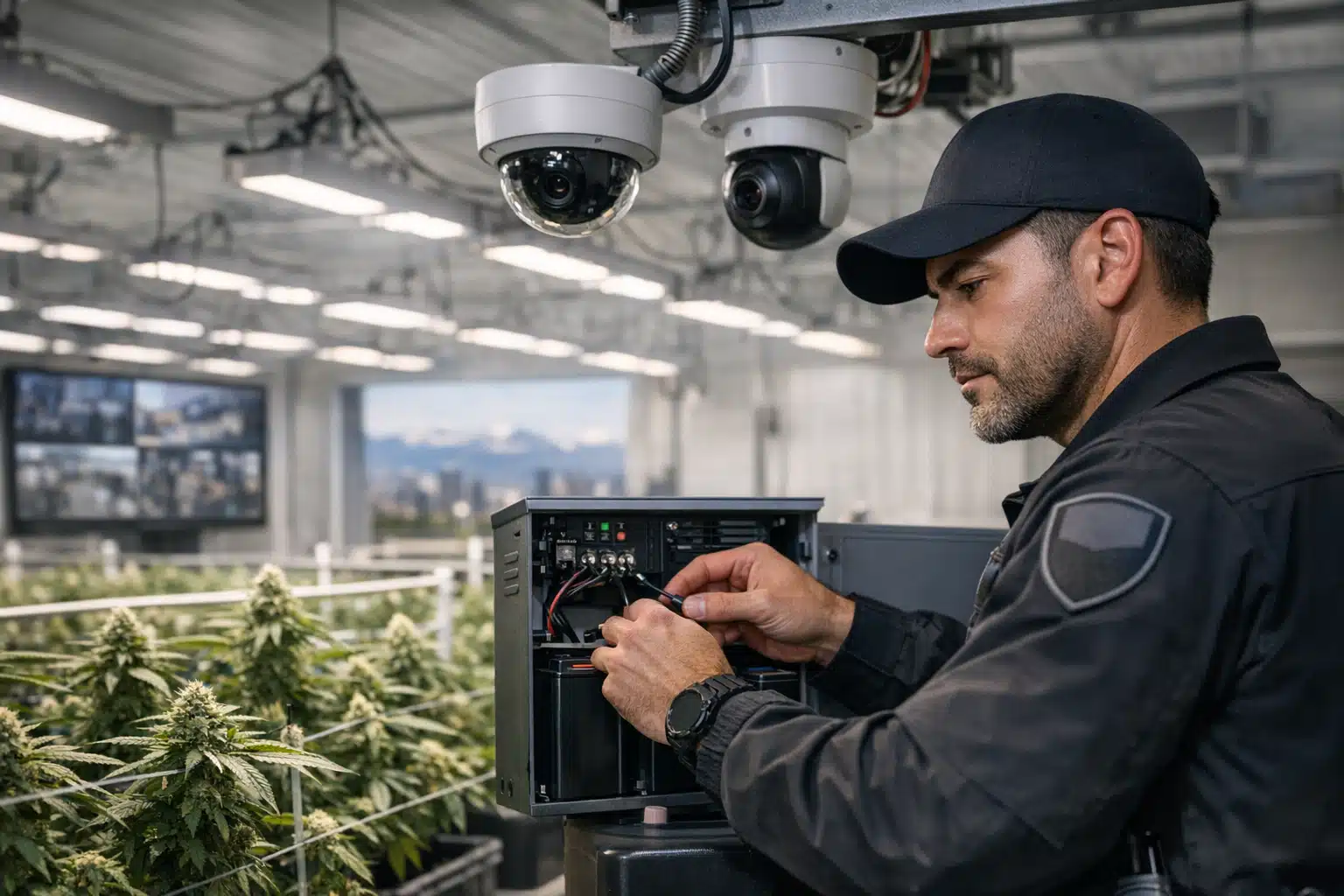
Cannabis operators must now install backup power systems for all surveillance equipment. This requirement stems from power outages during last winter’s blizzards that left facilities without monitoring for hours.
The new standards require:
- Uninterrupted power supply (UPS) systems capable of 8 hours minimum operation
- Monthly testing documentation for backup systems
- Real-time alerts when primary power fails
- Redundant internet connections for cloud-based monitoring
Construction Site Perimeter Requirements
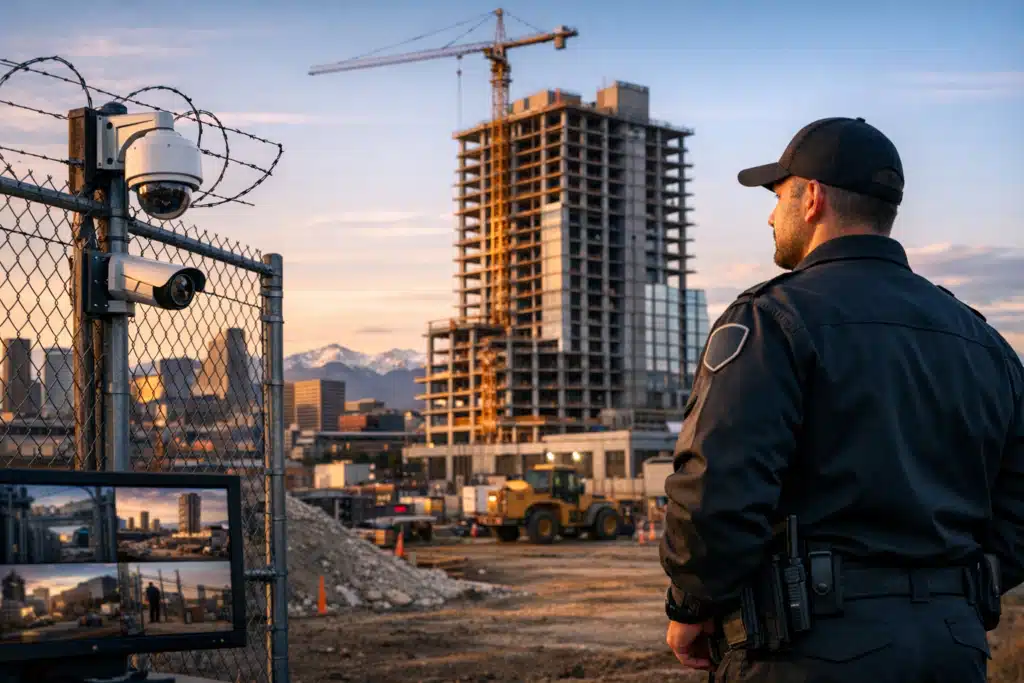
Denver’s booming construction market prompted stricter site security rules. Projects valued over $500,000 must now maintain continuous perimeter monitoring.
The updated requirements include:
- Motion-activated cameras at all entry points
- 24/7 remote monitoring by licensed security providers
- Immediate response protocols for after-hours intrusions
- Weekly security assessment reports filed with the city
Multi-Tenant Property Standards
Apartment complexes and office buildings face new visitor management protocols. Properties with 50+ units must implement digital access control systems by May 1, 2026.
Spring 2026 Compliance Checklist for Denver Businesses
Follow these steps to ensure your property meets current regulations before the enforcement deadline.
Step 1: Conduct a Security Assessment
Schedule a professional evaluation by March 15. Licensed security companies can identify gaps in your current setup and recommend specific upgrades.
The assessment should cover:
- Camera placement and coverage areas
- Recording quality and storage duration
- Access control system functionality
- Emergency response procedures
- Documentation and reporting processes
Step 2: Update Surveillance Equipment
Many existing camera systems don’t meet the new technical specifications. Cameras must now record in minimum 1080p resolution with 30-day storage capacity.
Priority upgrades include:
- Replace analog cameras with IP-based systems
- Install infrared night vision capability
- Upgrade storage to cloud-based solutions
- Add mobile app access for property managers
Step 3: Implement Staff Training Programs
All security personnel must complete updated training by April 1. Denver now requires certification in de-escalation techniques and emergency response protocols.
Step 4: File Compliance Documentation
Submit your security plan to the Denver Business Licensing Office. Applications submitted after March 31 face expedited processing fees of $250.
Neighborhood-Specific Security Considerations
Different Denver areas face unique security challenges that affect compliance strategies.
Downtown and LoDo Properties
High foot traffic areas require enhanced crowd management protocols. Properties near Union Station and Coors Field need additional considerations for event-related security spikes.
Focus areas include:
- Pedestrian monitoring systems
- Coordination with RTD security teams
- Special event preparation procedures
Industrial Areas and Construction Sites
The National Western Complex redevelopment and ongoing projects along I-70 create concentrated security needs. Equipment theft increased 23% in these zones during 2025.
Cannabis District Facilities
Properties in established cannabis corridors face the strictest oversight. State compliance officers now conduct quarterly inspections instead of annual reviews.
Technology Solutions for Compliance Spring 2026
Modern security technology simplifies compliance while improving overall protection.
Remote Video Monitoring Systems
AI-powered surveillance reduces false alarms by 78% compared to traditional motion sensors. These systems distinguish between weather events, animals, and genuine security threats.
Key features include:
- Intelligent analytics for behavior recognition
- Automated incident reporting
- Integration with Denver Police dispatch systems
- Mobile alerts for property managers
Access Control Integration
Cloud-based access systems provide the flexibility Denver regulations require. Property managers can grant or revoke access remotely, creating detailed audit trails.
Environmental Monitoring
Denver’s altitude and weather patterns affect security equipment performance. Systems must operate reliably at 5,280 feet elevation through temperature swings of 60+ degrees.
Common Compliance Mistakes to Avoid
These oversights cause most businesses to fail initial inspections.
Inadequate Documentation
Denver requires detailed incident logs with timestamps and response actions. Generic security reports don’t meet the new documentation standards.
Insufficient Coverage Areas
Blind spots in camera coverage create compliance violations. Loading docks, employee parking areas, and utility access points need dedicated monitoring.
Outdated Emergency Procedures
Security plans must address current threats and seasonal challenges. Plans that don’t account for winter weather or summer construction impacts fail compliance reviews.

 Posted on Google
Working with Licensed Security Providers
Denver requires security companies to maintain current state licensing and local business registration. Verify credentials before signing contracts.
Essential qualifications include:
- Colorado Private Security License
- Denver Business License
- General liability insurance minimum $1 million
- 24/7 monitoring center certification
Service Level Agreements
Define specific response times and reporting requirements. Denver regulations require security incidents to be reported within 15 minutes of detection.
Budget Planning for Security Compliance
Understanding costs helps businesses plan upgrades effectively.
Typical Investment Ranges
Small retail properties: $3,000-$8,000 for basic compliance
Construction sites: $15,000-$35,000 for comprehensive monitoring
Cannabis facilities: $25,000-$60,000 for full regulatory compliance
ROI Considerations
Insurance premium reductions often offset 15-25% of security investment costs. Many carriers offer discounts for verified remote monitoring systems.
Preparing for Future Regulatory Changes
Denver plans additional security updates for fall 2026, focusing on cybersecurity requirements for connected surveillance systems.
Stay ahead by:
- Choosing scalable technology platforms
- Maintaining relationships with licensed security providers
- Monitoring Denver Department of Public Safety announcements
- Participating in industry association updates
Seasonal Security Considerations for Spring
Spring brings specific challenges that affect compliance strategies.
Construction Season Ramp-Up
Denver construction activity increases 40% between March and June. This surge creates equipment theft opportunities and requires enhanced site monitoring.
Weather Transition Impacts
Temperature fluctuations affect camera performance and require system recalibration. Condensation issues peak during spring warming periods.
Daylight Schedule Changes
Adjust motion sensor sensitivity and camera settings for longer daylight hours. Lighting transitions at dawn and dusk create false alarm spikes without proper calibration.
Denver’s updated security regulations require immediate attention from property owners and managers. Compliance deadlines arrive quickly, but proper planning ensures smooth transitions to new standards.
The investment in upgraded security systems pays dividends through reduced theft, lower insurance costs, and improved tenant satisfaction. Properties that exceed minimum compliance standards position themselves advantageously for future regulatory changes.
Contact Twin City Security Denver at 303‑574‑0000 or Denver@TwinCitySecurity.com for a comprehensive security assessment tailored to current Denver regulations and your specific property needs.
Sources
- Denver Department of Public Safety – Business Security Requirements
- Colorado Department of Public Health & Environment – Marijuana Enforcement Division Security Standards
- FBI Crime Data Explorer – Property Crime Statistics
- Colorado State Patrol – Private Security Licensing
Denver updated its security regulations in early 2026, with new compliance requirements taking effect this spring. Cannabis facilities, construction sites, and multi-tenant properties must meet stricter standards before the April 15 enforcement deadline.
- Cannabis operators must install backup power systems for surveillance with 8-hour minimum operation, while construction projects over $500,000 require continuous perimeter monitoring and 24/7 remote oversight.
- Properties with 50+ units need digital access control by May 1, and all cameras must record in minimum 1080p with 30-day storage capacity.
- Common compliance failures include inadequate documentation, camera blind spots, and outdated emergency procedures that do not address seasonal challenges.


