

How to Optimize Security for Denver’s High-Tech Offices in Fall 2026
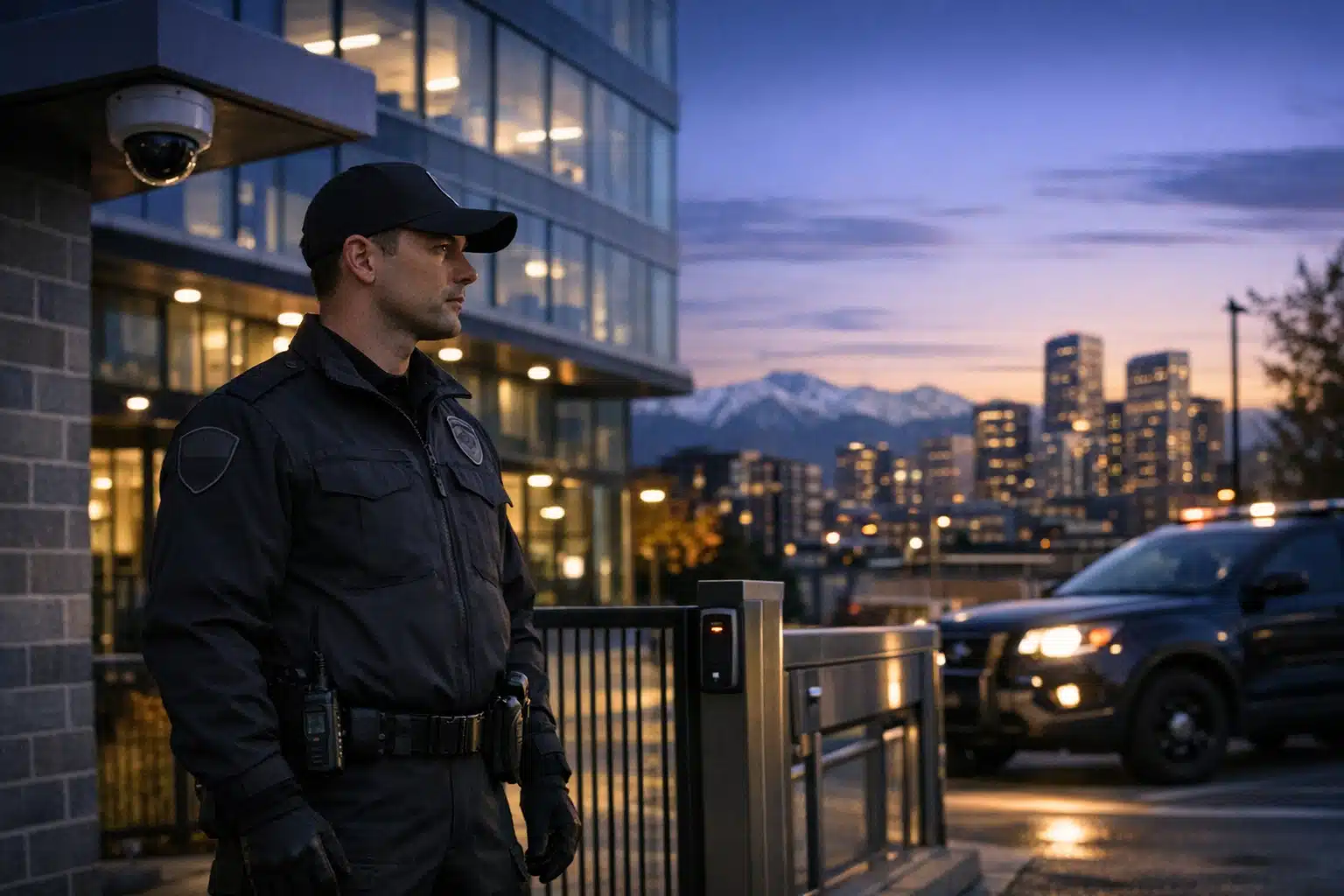
To optimize security for Denver high-tech offices, implement layered access control systems combining biometric authentication with key cards for server rooms and sensitive areas. Install 24/7 video surveillance with AI-powered monitoring, secure all entry points with commercial-grade locks, and establish visitor management protocols. Regular security audits and employee training on data protection practices help maintain a strong security posture throughout the facility.
Denver’s Tech Corridor Faces New Risks This Fall
Denver added thousands of tech jobs across RiNo, LoDo, and the Denver Tech Center over the past two years. More servers, more hardware, more sensitive data behind glass doors.
Strong tech office security protects both physical equipment and the people working late inside. Fall 2026 brings specific pressures that Denver operators should plan for now.
This post breaks down the threats, the fixes, and the steps to lock down your office before winter arrives.
Why Tech Office Security Gets Harder in Fall 2026
Fall shifts the risk profile for Denver offices in measurable ways. Shorter days mean longer stretches of darkness around your building.
Darkness and empty lobbies create openings. Property crime in Denver has stayed elevated compared to pre-2020 levels, and tech offices hold high-value targets.
Specific Fall Threats for Denver Tech Offices
- Earlier darkness: Sunset moves before 6 p.m. by late October, extending unlit periods around entrances and parking structures.
- First snowfalls: Early storms disrupt camera visibility and slow police response times across the metro.
- Hardware theft: Laptops, GPUs, and server components carry high resale value and fit under a jacket.
- Holiday staffing gaps: Thanksgiving week leaves many offices empty for days with reduced foot traffic nearby.
- Tailgating: Propped doors during moves or deliveries let unauthorized people slip inside.
Each risk compounds the others. An empty office during a snowstorm at 7 p.m. is a soft target.
Physical Threats to Tech Equipment and Data Rooms
Tech offices store concentrated value in small spaces. A single server room can hold hundreds of thousands of dollars in hardware.
Data theft rarely looks like a movie heist. Most breaches start with physical access to an unlocked room or an unattended workstation.
What Attackers Target in a Denver Tech Office
- Server rooms: Drives and networking gear that hold client data and resale value.
- Workstations: Unlocked machines left on overnight near windows.
- Loading docks: Delivery zones where propped doors bypass front-desk screening.
- Parking garages: Low-light areas where employees carry laptops to cars after dark.
Protecting these points takes layered coverage. Cameras, access control, and trained eyes each cover gaps the others miss.
How Remote Video Surveillance Protects Empty Offices
Remote video surveillance watches your office when no one is inside. Live agents monitor feeds and respond to motion in restricted zones.
This matters most during fall nights and holiday closures. A camera that only records does nothing to stop a break-in as it happens.
What Active Monitoring Adds
- Real-time intervention: Agents issue voice-down warnings over speakers when they spot an intruder.
- Verified alarms: Police prioritize calls confirmed by a live operator over unverified sensor trips.
- After-hours coverage: Monitoring runs during the exact window when offices sit empty and dark.
- Weather-ready cameras: Infrared and thermal units see through snow glare and darkness.
Denver’s early sunsets make night vision a requirement, not an upgrade. Standard cameras lose detail fast once the lights go down.
On-Site Guards for High-Traffic Tech Buildings
On-site guards handle what cameras cannot. They check IDs, escort employees to cars, and respond to incidents in seconds.
Multi-tenant tech buildings in the Denver Tech Center see heavy visitor flow. A guard at the lobby desk stops tailgating before it starts.
When a Guard Makes the Difference
- Front-desk screening: Verifying contractors, delivery drivers, and visitors against expected arrivals.
- Night patrols: Walking server rooms and stairwells on a set schedule.
- Employee escorts: Walking staff to garages during dark fall evenings.
- Emergency response: Acting during medical events, disputes, or fire alarms.
Guards and cameras work best together. One covers the blind spots of the other.

 Posted on Google
Access Control for Sensitive Tech Spaces
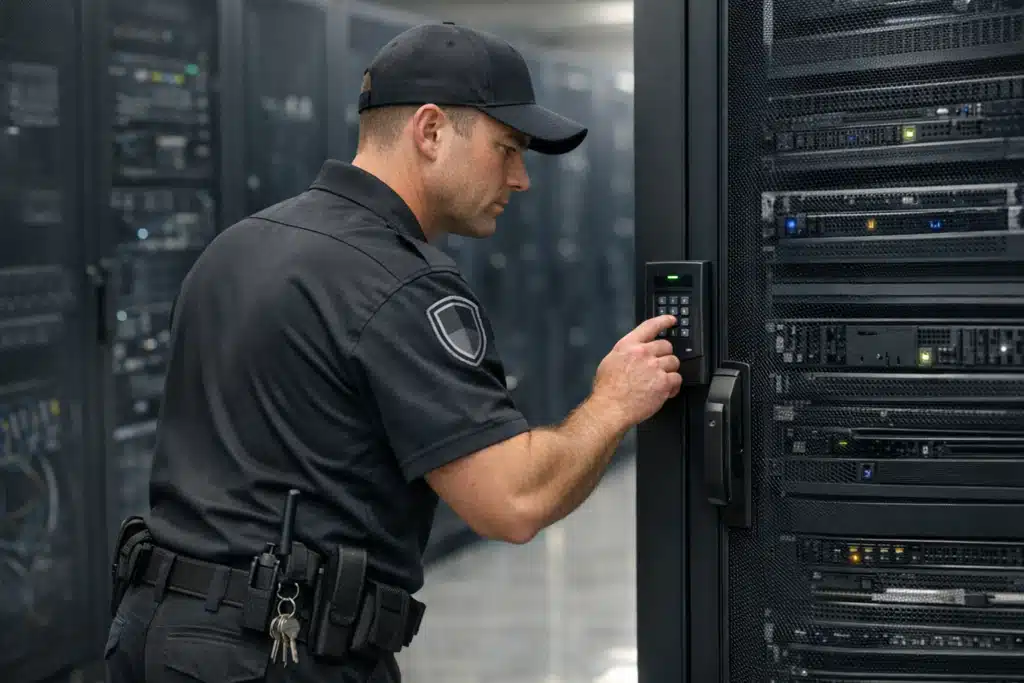
Access control limits who reaches your most valuable rooms. Keycards, PIN pads, and biometric readers create a record of every entry.
Tiered access keeps server rooms restricted to a short list of staff. Most employees never need to be inside them.
Steps to Tighten Access Before Winter
- Audit your keycard list. Remove former employees and expired contractor credentials.
- Set door schedules. Lock exterior doors automatically after business hours.
- Add alerts for propped doors. Get notified when a door stays open past a set time.
- Log server room entries. Review the record weekly for unusual access.
Access logs turn into evidence after an incident. They also deter insiders who know their entries are tracked.
High-Altitude Winter Prep for Security Systems
Denver’s altitude and cold test security hardware. Cameras, sensors, and power supplies fail in ways they never do at sea level.
A storm that knocks out power can blind an unprepared system. Fall is the time to fix these weak points.
Cold-Weather Checklist for Denver Offices
- Battery backups: Keep cameras and access control running during outages.
- Heated camera housings: Prevent lens fogging and ice buildup on exterior units.
- Clear sight lines: Trim branches and move obstructions before snow hides them.
- Lighting checks: Replace dead bulbs in garages and entrances now, not in January.
One failed camera during a January storm can cost more than a season of maintenance. Prevention beats repair every time.
Building a Fall Security Plan for Your Denver Office
A written plan turns scattered fixes into coordinated coverage. Start with an honest look at your weakest points.
A Five-Step Fall 2026 Action Plan
- Assess your site. Walk the building at night and note dark, unwatched areas.
- Layer your coverage. Pair cameras, access control, and guards based on risk.
- Prep for weather. Add backups and winterize exterior equipment.
- Plan holiday coverage. Schedule monitoring and patrols for extended closures.
- Review quarterly. Update access lists and test systems every few months.
This plan costs less than a single hardware theft. It also keeps your staff safer during dark commutes.
Protect Your Denver Tech Office This Fall
Fall 2026 brings earlier darkness, holiday gaps, and winter weather that stress every security system. Tech offices carry too much value to leave exposed during these windows. A layered plan of monitoring, guards, and access control closes the gaps attackers look for.
Twin City Security Denver builds site-specific plans for Denver tech offices, data rooms, and multi-tenant buildings. Call 303‑574‑0000 or email Denver@TwinCitySecurity.com for a Denver security assessment before winter sets in.
Sources
- Denver Police Department – Crime Statistics and Maps
- Cybersecurity and Infrastructure Security Agency – Physical Security
- National Weather Service – Denver/Boulder Forecast Office
Denver tech offices face increased security risks in fall 2026 due to earlier darkness, holiday staffing gaps, and winter weather challenges. A layered approach combining remote video surveillance, on-site guards, and access control provides the best protection for high-value equipment and data rooms.
- Shorter days and early snowstorms create openings for property crime, while server rooms and workstations hold concentrated value that attackers target. Hardware theft remains a concern as laptops and GPUs carry high resale value.
- Remote video surveillance with live monitoring enables real-time intervention and verified alarms, while on-site guards handle ID checks, night patrols, and employee escorts to parking areas.
- Fall preparation should include auditing keycard access, winterizing camera equipment with battery backups and heated housings, and creating a written security plan before holiday closures begin.


