

The Benefits of Unarmed Security for Denver’s Fall Art Shows
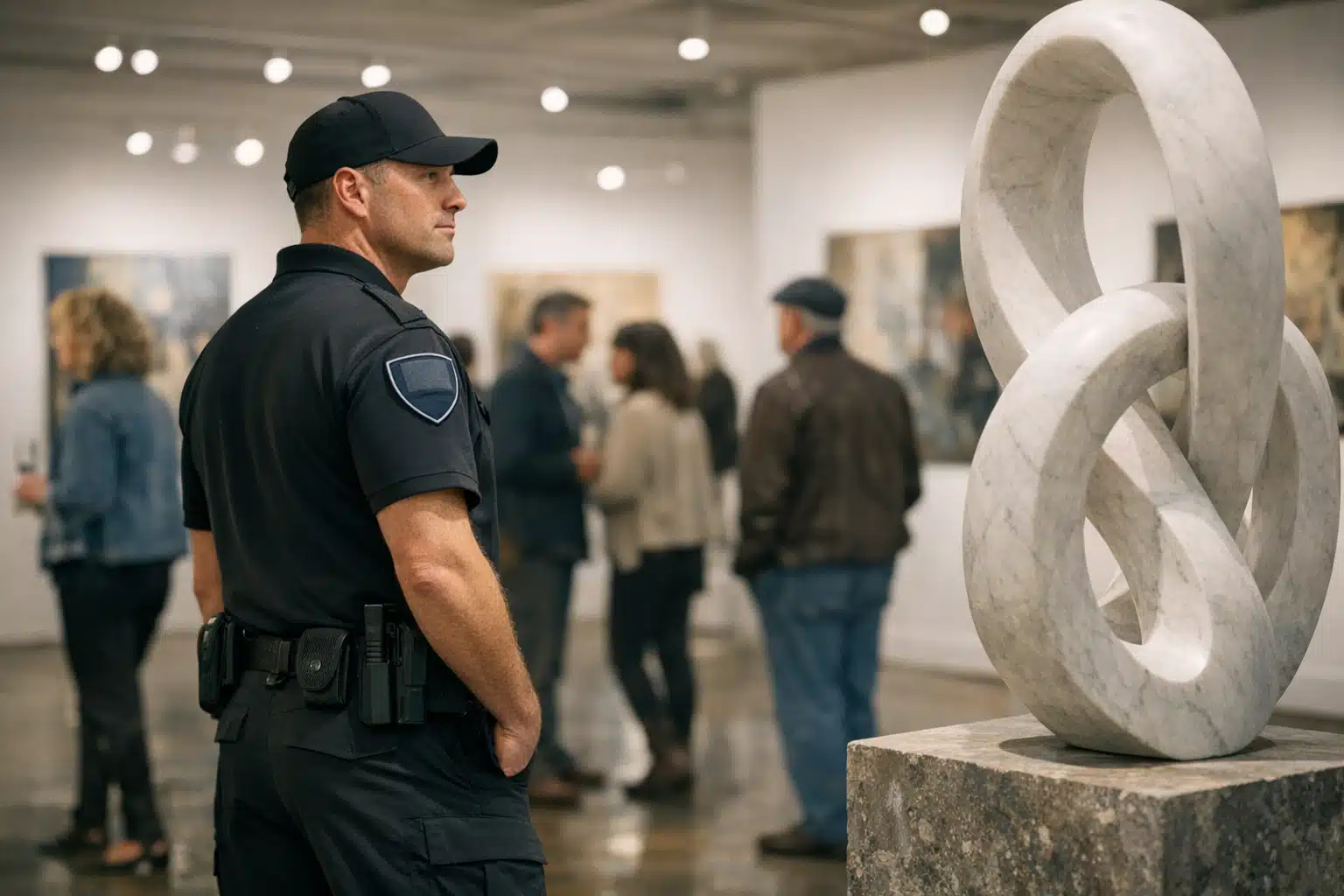
Unarmed security offers several advantages for fall art shows in Denver. Guards provide a welcoming presence that maintains the relaxed atmosphere visitors expect at cultural events while still deterring theft and vandalism. They can manage crowd flow, assist with directions, handle minor disputes, and respond to emergencies without creating an intimidating environment that might discourage art enthusiasts from attending.
Fall Art Season Brings Crowds — and Risk — to Denver Galleries
Denver’s fall art calendar fills fast. The Denver Arts Festival, RiNo gallery walks, and First Friday events in the Santa Fe Art District draw thousands of visitors each weekend.
More foot traffic means more exposure. Crowded rooms, open doors, and valuable artwork create openings for theft, accidental damage, and crowd confusion.
Unarmed security fits these settings better than armed guards. It keeps venues safe while matching the welcoming tone that art events depend on.
This post explains why unarmed guards work for Denver art shows, what they handle on-site, and how to plan coverage for your fall events.
Why Unarmed Security Fits Denver Art Shows
Art shows are social, open, and visual. Guests move freely, linger near pieces, and expect a relaxed atmosphere.
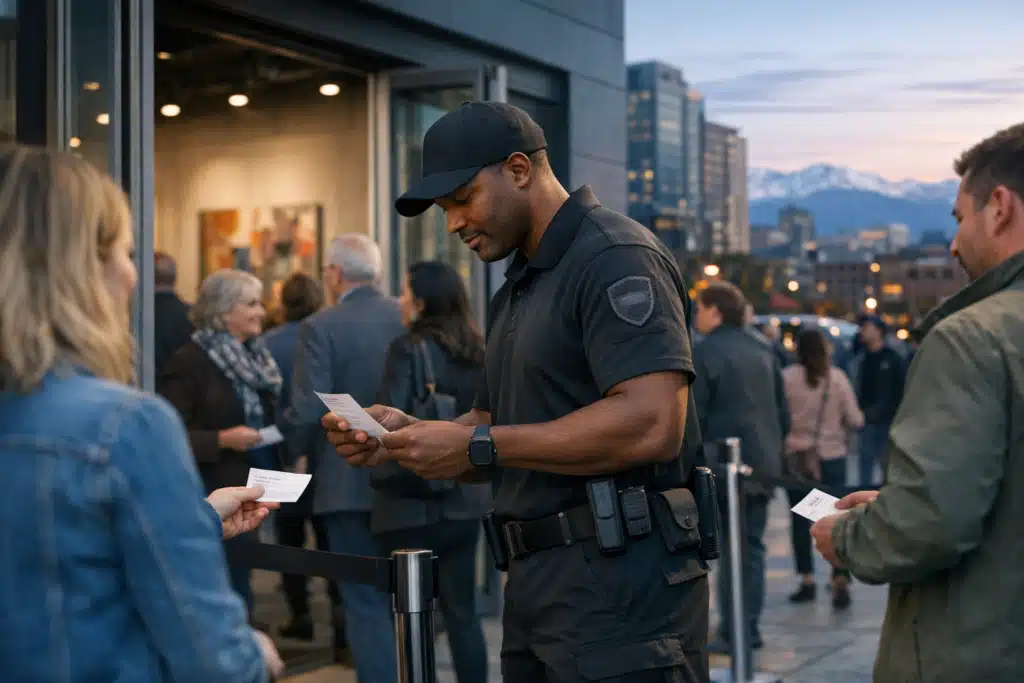
Armed guards can feel out of place in a gallery. A visible firearm sends the wrong message at a cultural event meant for families, collectors, and first-time visitors.
Unarmed guards keep order without that tension. They watch crowds, protect artwork, and respond to problems with presence and communication instead of force.
What Unarmed Guards Handle at Art Events
- Crowd flow: Keeping entrances, exits, and high-traffic displays clear.
- Artwork protection: Watching for guests who touch, lean on, or crowd pieces.
- Access control: Checking tickets, wristbands, or VIP credentials at the door.
- Loss prevention: Spotting theft of small works, merchandise, or donation boxes.
- Guest assistance: Giving directions, answering questions, and calming disputes.
- Emergency response: Coordinating medical calls or evacuations if needed.
Most incidents at art shows involve people, not weapons. Trained observation and calm conversation resolve them.
Denver Crime Data Supports a Lower-Profile Presence
Property crime drives most art event risk in Denver. Theft, vandalism, and trespassing top the list, according to Denver Police Department crime reports.
Violent crime at cultural venues stays rare. Art shows draw a very different crowd than bars or large concerts.
That pattern points to a clear answer. Venues need visible deterrence and sharp observation — not heavy tactical coverage.
Neighborhood-Specific Concerns
Risk shifts by location across the metro area:
- RiNo and Five Points: Street-side galleries face after-dark loitering and parking lot break-ins.
- Santa Fe Art District: First Friday crowds spill into alleys and side streets, raising crowd-control needs.
- LoDo: Mixed nightlife and foot traffic bring more intoxicated passersby near venue doors.
- Highlands: Smaller studio shows need discreet coverage that respects a quiet residential feel.
A guard plan should match the block, not a generic template.
How Fall Weather Shapes Security Planning
Denver fall weather turns fast. A warm 70-degree afternoon can drop into snow by evening.
That swing affects outdoor and indoor-outdoor art events. Guests cluster near heaters, entrances jam, and icy walkways create slip hazards.
Unarmed guards help manage these shifts in real time:
- Monitor sidewalk and ramp conditions as temperatures drop.
- Redirect foot traffic away from icy or dark areas.
- Keep fire lanes and exits clear when crowds move indoors.
- Watch gear and equipment left outside during setup or teardown.
High-altitude storms arrive without much warning. On-site staff who track conditions prevent small problems from growing.
Pairing Unarmed Guards With Remote Video Surveillance
On-site guards cover the floor. Remote video surveillance covers everything they cannot see at once.
For multi-room galleries or outdoor festival grounds, cameras extend reach without adding more staff. Monitored feeds flag problems early.
What Combined Coverage Looks Like
- Entry points: Cameras log every arrival and departure after hours.
- Parking areas: Remote monitoring deters break-ins near RiNo and Santa Fe lots.
- Storage rooms: Feeds watch crated artwork before and after shows.
- Blind spots: Cameras fill gaps in large or oddly shaped venues.
Footage settles disputes over damage and supports insurance claims. It also gives organizers a record of each event.

 Posted on Google
Planning Security for Your Fall Art Show
Good event security starts weeks before opening night. Use this checklist to prepare.
- Map your space: Mark entrances, exits, display zones, and storage.
- Estimate attendance: Match guard count to expected crowd size.
- Flag high-value pieces: Identify works that need close watch.
- Set access rules: Decide on tickets, wristbands, or VIP zones.
- Plan for weather: Add coverage for setup, teardown, and parking.
- Brief your team: Share emergency contacts and venue layout with guards.
One guard per 50 to 100 guests works for most gallery settings. Larger festivals with alcohol or outdoor space need more.
Questions to Ask Before Hiring
- Are guards licensed under Colorado regulations?
- Do they have event or gallery experience?
- Can they combine on-site staff with remote monitoring?
- How do they handle medical or weather emergencies?
Clear answers tell you whether a provider knows Denver event work.
Why Local Knowledge Matters
Denver event security is not generic. Altitude, fast weather swings, and neighborhood patterns all shape the right plan.
Twin City Security Denver staffs guards who know the metro area. They understand RiNo parking risk, Santa Fe crowd flow, and First Friday timing.
That local grounding lets guards act fast and blend into the event instead of disrupting it.
Protect Your Fall Art Show With the Right Coverage
Unarmed security matches the open, welcoming tone of Denver art shows while deterring theft and managing crowds. Paired with remote video surveillance, it covers both the gallery floor and the spaces guards cannot watch alone.
Twin City Security Denver builds event coverage around your venue, crowd size, and neighborhood. Call 303‑574‑0000 or email Denver@TwinCitySecurity.com for a Denver security assessment or monitoring quote.
Sources
- Denver Police Department – Crime Map and Statistics
- Colorado Department of Regulatory Agencies – Private Security Licensing
- National Weather Service – Denver/Boulder Forecast Office
Unarmed security offers a better fit for Denver's fall art shows than armed guards, providing protection while maintaining the welcoming atmosphere these cultural events require. Guards handle crowd flow, artwork protection, access control, and emergency response through observation and communication.
- Denver's fall art events like First Friday and RiNo gallery walks draw large crowds, creating risks for theft and accidental damage that unarmed guards can address without the tension of visible firearms.
- Security needs vary by neighborhood - RiNo faces parking lot break-ins, Santa Fe requires crowd control for First Friday spillover, and Highlands studio shows need discreet coverage for residential areas.
- Pairing on-site guards with remote video surveillance extends coverage to parking areas, storage rooms, and blind spots while providing footage for insurance claims and dispute resolution.


