

How to Prepare Denver’s Retail Stores for Summer Crime Waves
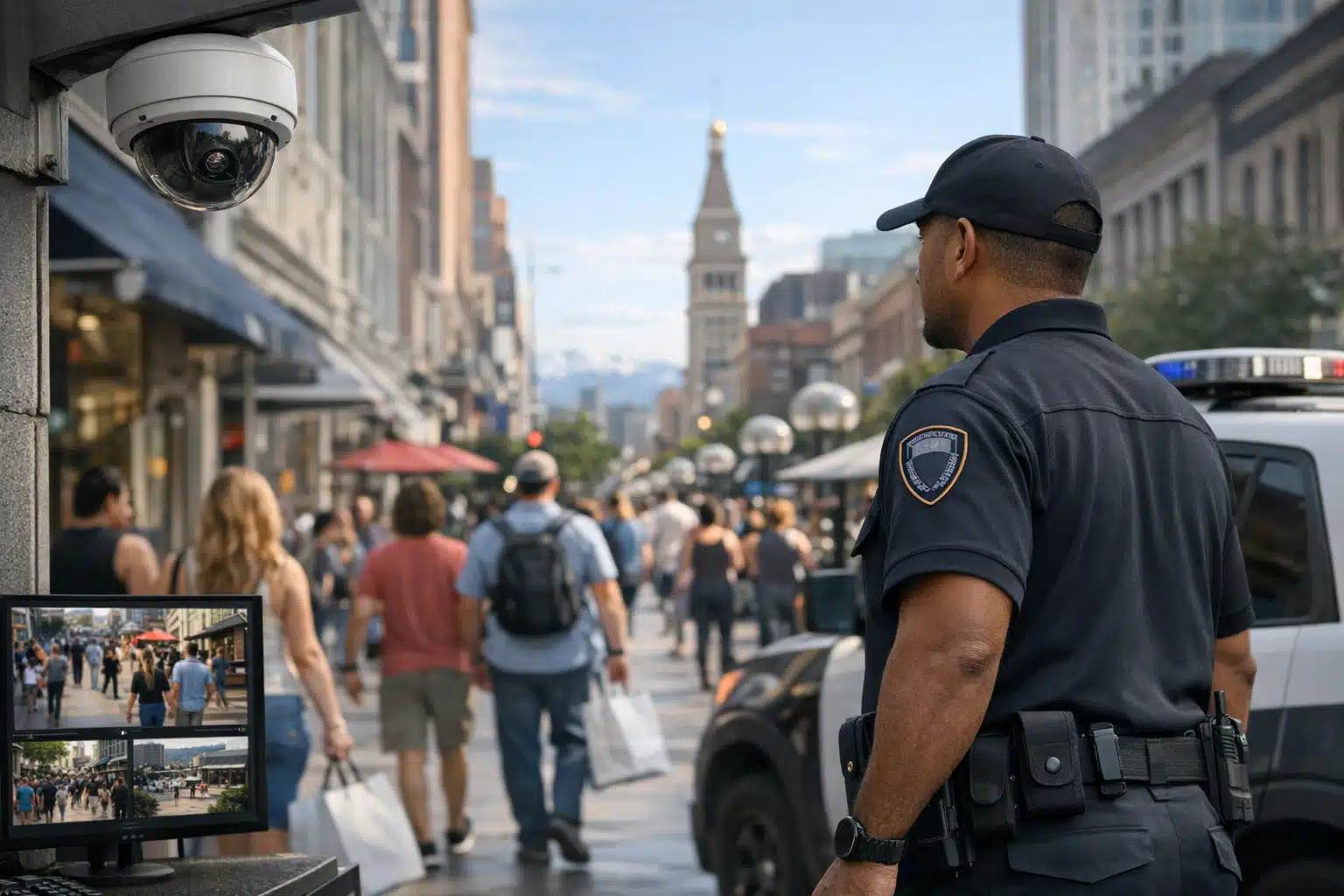
Denver retailers can prepare for summer crime waves by increasing staff presence during peak hours, installing visible security cameras, and training employees on theft prevention. Partnering with local police for regular check-ins and using electronic article surveillance on high-value items also helps deter shoplifters and organized theft groups during the June through August spike.
Why Summer Brings a Spike in Denver Retail Theft
Denver retail crime rises sharply once temperatures climb. Police data shows shoplifting and organized theft peak between June and August.
Longer daylight hours mean more foot traffic. More foot traffic means more cover for opportunistic thieves.
Strong retail security keeps your store ahead of this seasonal pattern. This post breaks down what Denver store owners should do before summer theft hits its stride.
Below you get concrete steps, neighborhood-specific risks, and staffing advice built for Colorado conditions.
What Drives Summer Theft in Denver Retail Stores
Summer theft in Denver follows predictable triggers. Knowing them helps you plan defenses instead of reacting after a loss.
Tourist and Event Crowds
Denver hosts festivals, Rockies games, and concerts all summer. Crowds near Coors Field and the 16th Street Mall create easy cover for grab-and-run theft.
Stores in LoDo and RiNo see the heaviest pedestrian volume. High traffic hides thieves who blend into busy sales floors.
Organized Retail Crime Groups
Colorado has seen a rise in organized retail crime. Groups target multiple stores in one day, hitting Cherry Creek and Aurora shopping corridors.
These crews study store layouts and staff patterns. They move fast and leave before police arrive.
Warm-Weather Exit Points
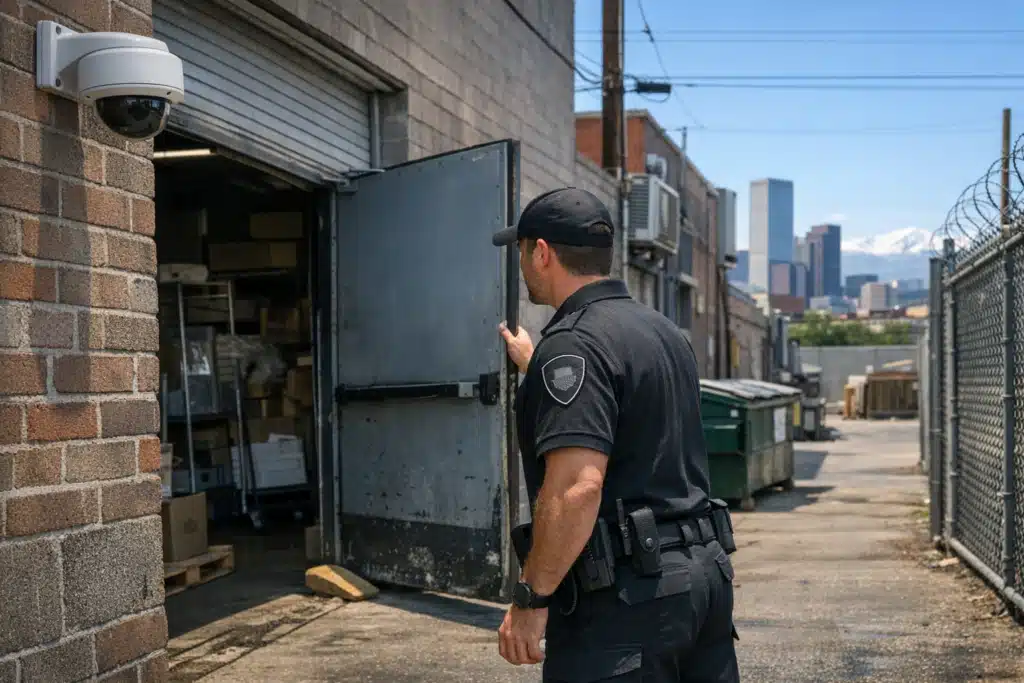
Propped back doors invite trouble. Staff prop them for airflow during hot Denver afternoons at altitude.
An open loading dock is a direct path for theft. Summer heat makes this a daily habit worth breaking.
How to Prepare Your Denver Store Before June
Preparation beats reaction every time. Start these steps in late spring so your store is ready when crowds arrive.
- Audit your camera coverage. Check every blind spot at entrances, registers, and stockrooms.
- Fix broken locks and door alarms. Winter freeze-thaw cycles in Denver warp door frames and jam hardware.
- Review your staff schedule. Add coverage during peak afternoon and weekend event hours.
- Set a back-door policy. Ban propping and install an alarmed closer instead.
- Train staff on theft response. Teach them to observe and report, never to chase.
Each step closes a gap that summer theft exploits. Together they cut your loss risk before the season starts.
Why Denver Retail Security Needs On-Site Guards
Visible guards stop theft before it starts. A uniformed presence changes how people behave inside your store.
Deterrence at the Entrance
Most opportunistic thieves avoid stores with a guard near the door. That single position reduces walkouts on the 16th Street Mall and Colfax corridors.
Faster Response Than 911
Denver police response times stretch during busy summer weekends. An on-site guard acts in seconds, not minutes.
Guards detain within legal limits, document incidents, and support your staff. That speed protects both merchandise and employees.
Crowd Management During Events
Stores near Ball Arena and Coors Field face surges after games. Guards control entry flow and watch for coordinated groups.
How Remote Video Surveillance Protects Retail Stores
Remote video monitoring adds eyes when guards cannot be everywhere. Trained agents watch live feeds and act on threats in real time.
Live Monitoring Versus Passive Cameras
Recorded footage only helps after a theft. Live monitored cameras stop the theft as it happens.
An agent speaks through on-site speakers when they spot suspicious behavior. A voice warning turns many would-be thieves away.
After-Hours Coverage
Break-ins climb during warm summer nights. Remote surveillance covers your store when it sits empty.
Agents verify alarms and dispatch police with real evidence. That cuts false-alarm fines from the City of Denver.
Cost Compared to Losses
Remote monitoring costs far less than a single organized theft event. One prevented grab-and-run can pay for months of coverage.

 Posted on Google
Neighborhood-Specific Risks Across Denver
Every Denver retail district faces a different threat pattern. Match your defenses to your location.
- LoDo and RiNo: Heavy nightlife and event crowds raise theft and after-hours break-ins.
- Capitol Hill: Dense foot traffic and transient activity push shoplifting risk higher.
- Cherry Creek: High-value goods attract organized retail crime crews.
- Aurora corridors: Large parking lots create risk for cart pushouts and vehicle theft.
- Highlands: Smaller boutiques face register grabs during understaffed hours.
A security assessment maps your exact exposure. That lets you spend on the right defense, not a generic package.
Building a Summer Retail Security Plan That Works
The strongest plans layer people, technology, and policy. No single tool covers every gap.
Combine Guards and Cameras
Pair an on-site guard with live remote monitoring. The guard handles the floor while agents watch exits and the lot.
Set Clear Loss Thresholds
Track shrink weekly during summer months. A sudden jump signals an organized crew testing your store.
Coordinate With Neighboring Stores
Share suspect descriptions across your block. Cherry Creek and LoDo merchants who share alerts catch repeat offenders faster.
Common Mistakes Denver Retailers Make
Small errors create big openings. Avoid these before summer.
- Relying on recorded-only cameras. Footage without live eyes rarely prevents loss.
- Understaffing weekend afternoons. That window sees the most theft attempts.
- Ignoring parking lots. Cart pushouts and vehicle break-ins happen just outside your view.
- Skipping staff training. Untrained employees either freeze or escalate dangerously.
Each fix is low-cost compared to the losses it prevents. Address them in spring, not mid-July.
Protect Your Denver Store This Summer
Summer theft targets Denver retailers who wait too long to prepare. Strong retail security means layering visible guards, live remote monitoring, and clear staff policy before crowds arrive.
Twin City Security Denver builds store-specific plans for LoDo, Cherry Creek, Aurora, and every district between. Call 303‑574‑0000, email Denver@TwinCitySecurity.com, or visit https://www.twincitysecuritydenver.com for a summer security assessment.
Sources
- Denver Police Department – Crime Information and Data
- Colorado Bureau of Investigation – Crime in Colorado
- National Retail Federation – National Retail Security Survey
Twin City Security Denver advises retail store owners to prepare for summer crime spikes by layering guards, live remote monitoring, and clear staff policies before the busy season arrives.
- Denver retail theft peaks from June to August due to longer daylight hours, tourist crowds, and events near Coors Field and the 16th Street Mall. Organized crime groups target shopping corridors in Cherry Creek and Aurora.
- Store owners should audit camera coverage, fix broken locks, add staff during peak hours, ban door propping, and train employees to observe and report rather than chase thieves.
- Visible on-site guards deter opportunistic theft at entrances while live remote video monitoring stops incidents in real time and provides after-hours coverage when stores sit empty.
