

Summer Safety: How to Secure Denver’s Apartment Complexes
To secure Denver apartment complexes during summer, property managers should increase lighting in parking areas and common spaces, install or upgrade security cameras, and encourage residents to report suspicious activity. Building strong communication with neighbors and local police helps deter crime during peak travel months when many units sit empty on weekends.
Summer Changes the Risk Profile for Denver Apartment Buildings
Denver sees a measurable rise in property crime during warmer months. Police data shows burglaries climb as residents leave town for weekends in the mountains.
Empty units create openings. Strong apartment security keeps your Denver community protected when foot traffic drops and vacation schedules stack up.
This post breaks down what property managers can do before, during, and after the busy travel season. Every tip reflects patterns our teams see across Capitol Hill, Aurora, and the Highlands.
Why Denver Apartment Security Slips During Summer Months
Summer safety gaps form for predictable reasons. Residents travel, students clear out, and shared entry doors get propped open in the heat.
Three patterns drive most warm-weather incidents:
- Extended vacancies. Units sit empty for a week or more as tenants head to Steamboat or the Western Slope.
- Propped doors. Tenants wedge exterior doors open for airflow, defeating locked entry systems.
- Package theft. Deliveries pile up in lobbies while renters are away.
Thieves read these signals. A dark unit with stacked mail signals nobody is home.
The Denver Neighborhood Effect
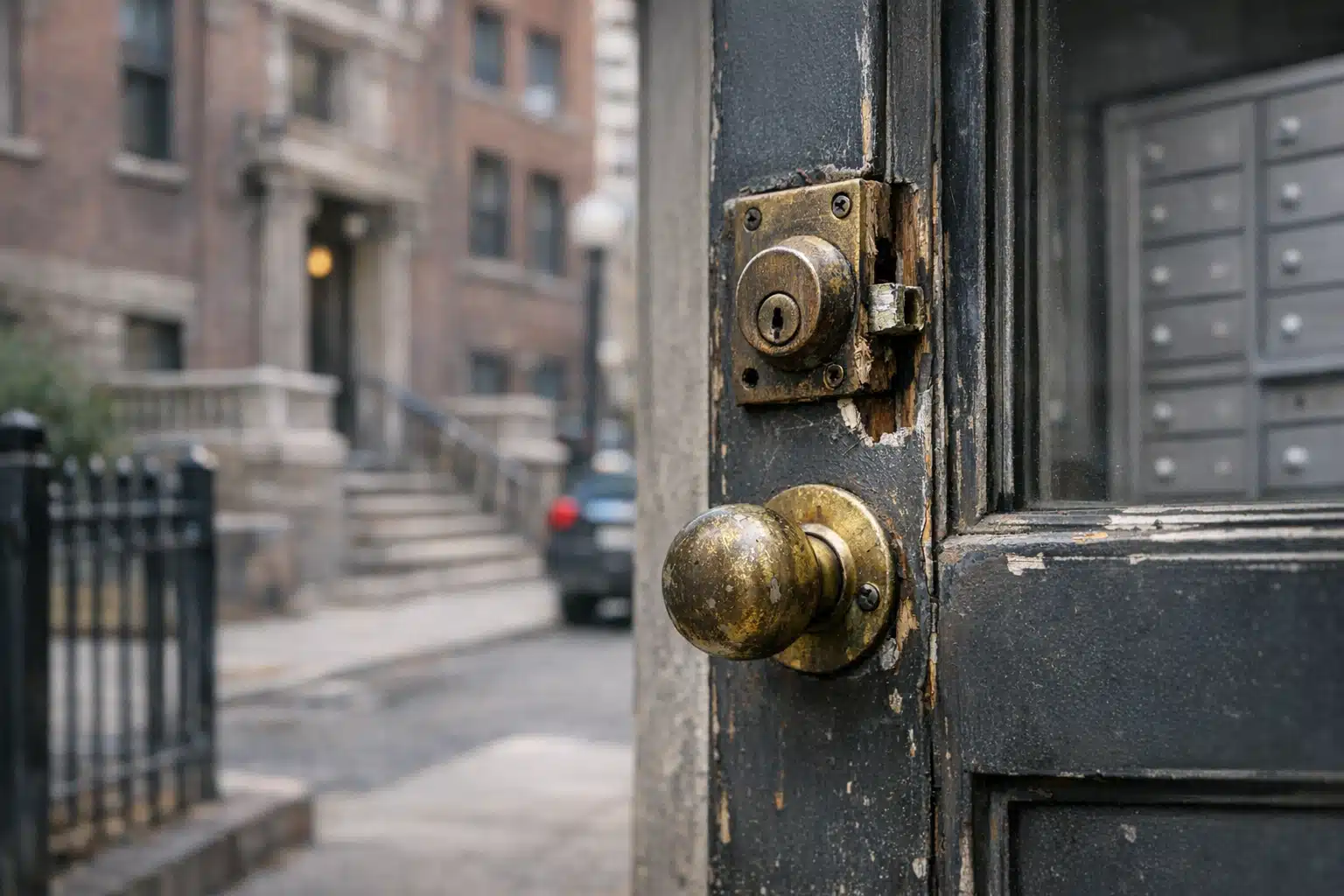
Risk varies by area. Capitol Hill’s older buildings often share street-level entrances with weak locks.
Aurora complexes with large surface parking lots face vehicle break-ins after dark. Highlands properties near nightlife see more foot traffic wandering into open courtyards.
Your security plan should match your street, not a generic template.
Seven Steps to Protect Denver Apartments This Summer
Apartment security works best as a layered defense. Follow these steps to close the most common summer gaps.
- Audit every exterior door. Check that self-closing hinges and magnetic locks work. Fix propped-door habits with signage and door alarms.
- Add remote video monitoring at entry points. Live camera coverage at lobbies, mail rooms, and parking gates catches problems in real time.
- Set up a vacation notice system. Ask traveling tenants to report absences so patrols know which units need extra attention.
- Secure package areas. Install locking parcel lockers or a monitored delivery room to stop lobby theft.
- Improve lighting. Motion-activated lights in stairwells, carports, and courtyards remove hiding spots.
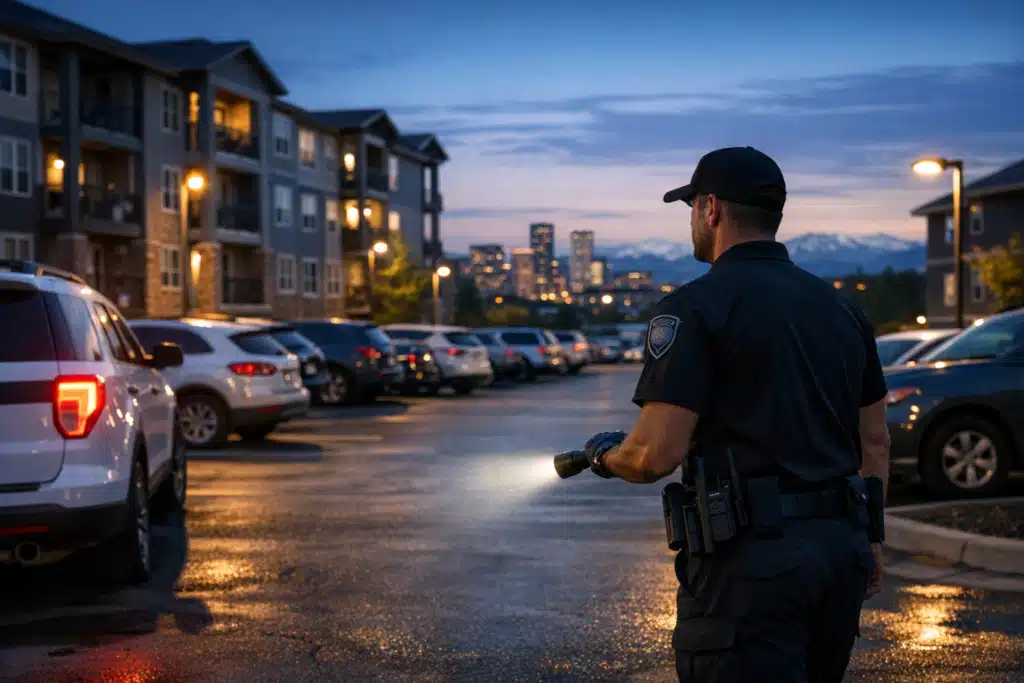
- Schedule on-site guard patrols. Roving guards during evening hours deter loiterers and check locked doors.
- Review access control logs weekly. Deactivate fobs for moved-out tenants and flag odd entry times.
How Remote Monitoring Fills the Summer Gap
Remote video surveillance covers hours when staff go home. Trained operators watch live feeds and respond to alerts within seconds.
At a Denver complex, this means an operator can spot someone testing car doors at 2 a.m. They issue a live voice warning over speakers before any damage happens.
Remote monitoring costs less than round-the-clock guards. Many Denver properties pair both for coverage that fits the budget.
Pairing Guards and Cameras for Full Coverage
On-site guards and remote cameras handle different problems. Guards respond in person. Cameras watch everywhere at once.
Here is how the two work together at a mid-size Denver property:
- Cameras flag a propped door in the north stairwell.
- The remote operator confirms the issue and alerts the on-site guard.
- The guard walks over, closes the door, and checks the floor.
This handoff takes minutes. Without it, that door might stay open all night.
What to Ask Before Hiring in Denver
Property managers should ask hard questions before signing a contract. The right questions reveal whether a provider knows local conditions.
- Do your guards carry Colorado-required licensing and training?
- Can remote operators issue live voice-down warnings?
- How fast do you respond to a triggered alarm?
- Do you provide documented incident reports for insurance?
- Have you worked in my neighborhood before?
A provider who dodges specifics rarely holds up during a real event.

 Posted on Google
High-Altitude Weather and Summer Storm Risks
Denver summers bring afternoon storms and hail. Power flickers can knock cameras offline at the worst moment.
Ask whether your monitoring system has battery backup and cellular failover. Systems that drop during an outage leave your property blind.
Storm damage also draws opportunists. Broken fences and downed gates create easy access until repairs happen.
A Practical Storm Checklist
- Confirm camera backup power before storm season peaks.
- Inspect perimeter fencing after every major hail event.
- Keep a guard rotation ready for post-storm patrols.
Fast repairs and steady monitoring close the window that storms open.
Building a Summer Safety Plan That Lasts
Summer safety planning pays off year-round. The habits you build now carry into fall move-outs and winter travel.
Start with a walk-through of your property at dusk. Note every dark corner, weak lock, and blind camera angle.
Then rank fixes by cost and impact. Lighting and door alarms are cheap and stop most opportunistic crime.
Remote monitoring and guard patrols handle the higher-risk hours. Together they form a defense that fits Denver’s summer rhythm.
Protect Your Denver Property Before the Next Trip Season
Summer vacancies, propped doors, and package theft raise the risk for Denver apartment communities every year. Layered apartment security with cameras, guards, and remote monitoring closes those gaps.
Twin City Security Denver builds coverage plans around your building and neighborhood. Call 303‑574‑0000 or email Denver@TwinCitySecurity.com for a Denver security assessment or monitoring quote.
Sources
- Denver Police Department – Crime Map and Statistics
- FBI – Crime in the United States (UCR Program)
- Colorado Department of Regulatory Agencies – Private Security Licensing
- National Weather Service – Denver/Boulder Forecast Office
Denver apartment complexes face higher property crime during summer as residents travel and units sit empty. Twin City Security Denver recommends layered defenses including remote monitoring, guard patrols, and access control to protect communities during peak vacation season.
- Summer crime rises due to extended vacancies, propped doors for airflow, and package theft in lobbies - thieves read signals like dark units with stacked mail.
- Security measures should include auditing exterior doors, adding remote video monitoring, installing parcel lockers, improving lighting, and scheduling evening guard patrols.
- Remote cameras and on-site guards work together - operators spot issues like propped doors or suspicious activity and alert guards who respond in person within minutes.


