

How to Implement Effective Access Control Systems in Denver’s Mixed-Use Developments
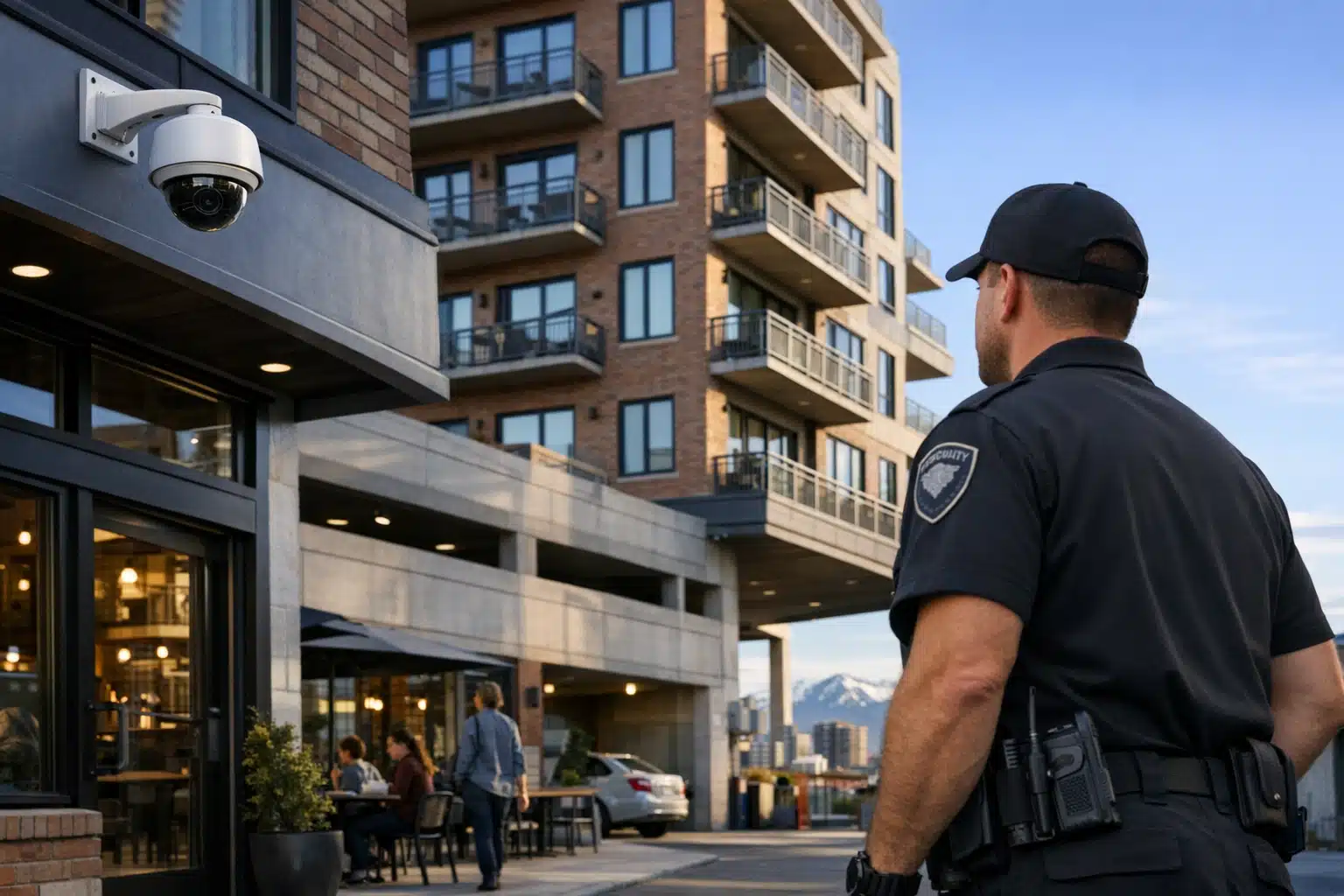
Effective access control in Denver mixed-use developments requires a layered approach that addresses the unique needs of each tenant type. Start by mapping all entry points and user groups - residents, retail staff, office workers, and visitors. Then select a unified platform that allows separate access schedules and permissions while maintaining centralized management for building security teams.
Why Mixed-Use Developments Break Standard Security Plans
A single Denver mixed-use building can house apartments, a coffee shop, medical offices, and a parking structure. Each group needs different access control systems with different rules.
Residents want 24-hour entry. Retail tenants open at 7 a.m. and lock up at 9 p.m. That mismatch creates gaps criminals target.
Denver saw commercial burglaries cluster in high-density corridors like RiNo and Capitol Hill. Mixed-use properties sit right in those zones.
This post breaks down how to build access control for buildings with competing tenant needs. You get concrete steps, Denver-specific concerns, and cold-weather notes most vendors skip.
Map Every Access Zone Before Buying Hardware
Effective access control systems start with a zone map, not a product catalog. Walk the building and label every door by who uses it and when.
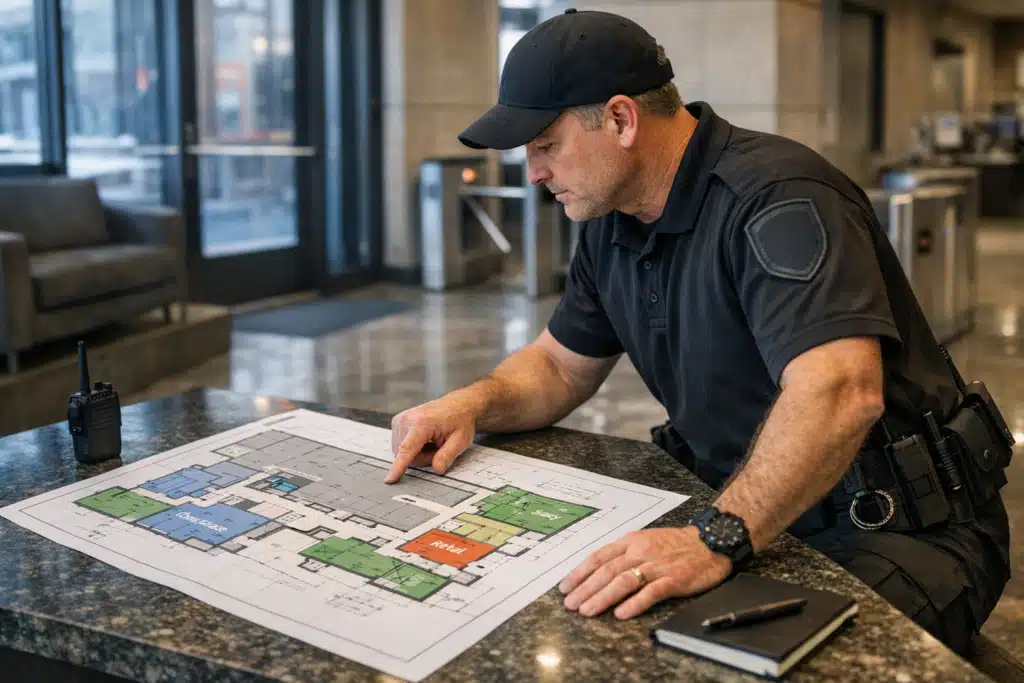
A typical Denver mixed-use property has five zone types:
- Public retail entrances — open during business hours, monitored by camera
- Residential lobbies — restricted to tenants and guests via credential
- Parking garage doors — a frequent theft point in LoDo and Highlands
- Loading docks and service corridors — vendor-only, high abuse risk
- Restricted tenant suites — cannabis offices, medical, or data rooms
Draw these zones on the floor plan first. Then assign credential rules per zone.
Why Shared Entry Points Cause the Most Problems
Shared lobbies and elevators create the hardest access questions. A resident and a retail customer may use the same front door.
Set elevator controls that read a credential before selecting residential floors. Retail visitors reach commercial floors only. This one step stops most unauthorized floor access.
Choosing Credential Types for Denver Properties
Credential choice affects cost, resident convenience, and winter reliability. Denver’s freeze-thaw cycles matter more than most vendors admit.
Keypad and PIN Entry
Keypads cost the least but leak codes fast in shared buildings. Residents share PINs with delivery drivers and dog walkers within weeks.
Use keypads only for low-risk zones like bike storage. Never rely on them for residential lobbies.
Key Fobs and Prox Cards
Fobs work well for apartment tenants and deactivate instantly when lost. That instant shutoff matters after a tenant moves out.
Cold weather rarely affects fob readers. Metal door hardware in an Aurora winter can freeze, though, so pair fobs with weather-rated strikes.
Mobile and Cloud Credentials
Phone-based entry removes physical cards and logs every event to the cloud. Property managers grant or revoke access remotely from any device.
For cannabis suites, cloud logs create the audit trail Colorado regulators expect. Every door open ties to a named person and timestamp.
Cannabis Tenants Demand Separate Access Rules
Cannabis operators inside mixed-use buildings face strict Colorado access requirements. The Marijuana Enforcement Division mandates limited-access areas with recorded entry.
To keep a cannabis tenant compliant, your access control must:
- Restrict grow, storage, and sales rooms to badged employees only
- Log every entry with date, time, and identity
- Retain access records for the state-required period
- Separate cannabis zones from residential and retail credentials entirely
- Tie door events to camera footage for verification
Never let a cannabis tenant share a credential system with apartment residents. Regulators treat that as a compliance failure.
Twin City Security Denver builds these separated zones so one property keeps mixed tenants legal.
Pairing Access Control With Remote Video Monitoring
Access logs tell you a door opened. Video tells you who walked in and what they carried.
Remote monitoring closes the gap between a credential swipe and reality. A tailgater following a resident inside triggers no access alert on its own.
Pair door readers with cameras at every controlled entry. Our monitoring agents verify alarms in real time and dispatch when needed.
Why Denver Winters Change Your Camera Plan
Snow glare and early darkness reduce camera clarity from November to March. Position cameras to avoid direct low-angle winter sun on south faces.
Use infrared units at parking entrances where headlights wash out standard lenses. Test footage during an actual snowstorm, not on a clear install day.

 Posted on Google
A Step-by-Step Rollout for Mixed-Use Buildings
Follow this order to install access control systems without disrupting tenants:
- Audit every door and label its zone and schedule
- Group tenants into residential, retail, and restricted categories
- Select credentials matched to each zone’s risk level
- Wire controlled doors to a central management platform
- Add cameras at shared entries and high-theft points
- Set schedules that match retail hours and resident needs
- Connect remote monitoring for after-hours alarm response
- Train property staff on granting and revoking access
Phase the rollout by zone. Start with parking and loading docks, the two spots Denver thieves hit most.
Common Mistakes in Denver Mixed-Use Security
Property managers repeat the same errors across mixed-use developments. Avoid these to save money and reduce break-ins.
- One credential for all tenants — collapses residential and cannabis separation
- No revocation policy — former tenants keep working fobs for months
- Ignoring loading docks — the softest entry point in most buildings
- Cameras without monitoring — footage helps after a crime, not during
- Skipping winter testing — hardware fails when frozen or snow-blind
Each mistake shows up in real Denver claims. Fixing them early costs less than one burglary.
Budgeting for Access Control in a Mixed-Use Property
Cost scales with door count, credential type, and monitoring level. A small three-tenant building differs from a full RiNo development.
Plan budget around three buckets:
- Hardware — readers, controllers, and weather-rated door strikes
- Software — cloud management and audit logging for compliance
- Monitoring — live agents watching cameras and verifying alarms
Cannabis tenants raise the software and camera budget because of state logging rules. Factor that in before signing leases.
Conclusion
Securing a Denver mixed-use development means separating residential, retail, and cannabis access into distinct zones with matched credentials. Pair those controls with remote video monitoring to catch what door logs miss, and test everything before Colorado winter sets in.
Twin City Security Denver designs and monitors access control for mixed-use properties across the metro area. Call 303‑574‑0000, email Denver@TwinCitySecurity.com, or visit https://www.twincitysecuritydenver.com for a Denver security assessment.
Sources
- Colorado Department of Revenue – Marijuana Enforcement Division Rules
- Denver Police Department – Crime and Safety Information
- CISA – Physical Security Resources
Mixed-use developments in Denver require separate access control zones for residential, retail, and restricted tenants like cannabis operators. Twin City Security Denver designs systems that address competing tenant needs, Colorado compliance rules, and cold-weather challenges.
- Standard security fails in mixed-use buildings because residents need 24-hour access while retail tenants operate on limited schedules. Mapping every door by user type and time before selecting hardware prevents gaps criminals target.
- Cannabis tenants require completely separate credential systems with logged entries and camera verification to meet Colorado Marijuana Enforcement Division rules. Sharing access systems with residential tenants counts as a compliance failure.
- Denver winters affect camera clarity and door hardware reliability. Test equipment during actual snow conditions and pair fob readers with weather-rated strikes to avoid freeze-related failures.


