

The Role of Remote Surveillance in Securing Denver’s Cannabis Grow Facilities
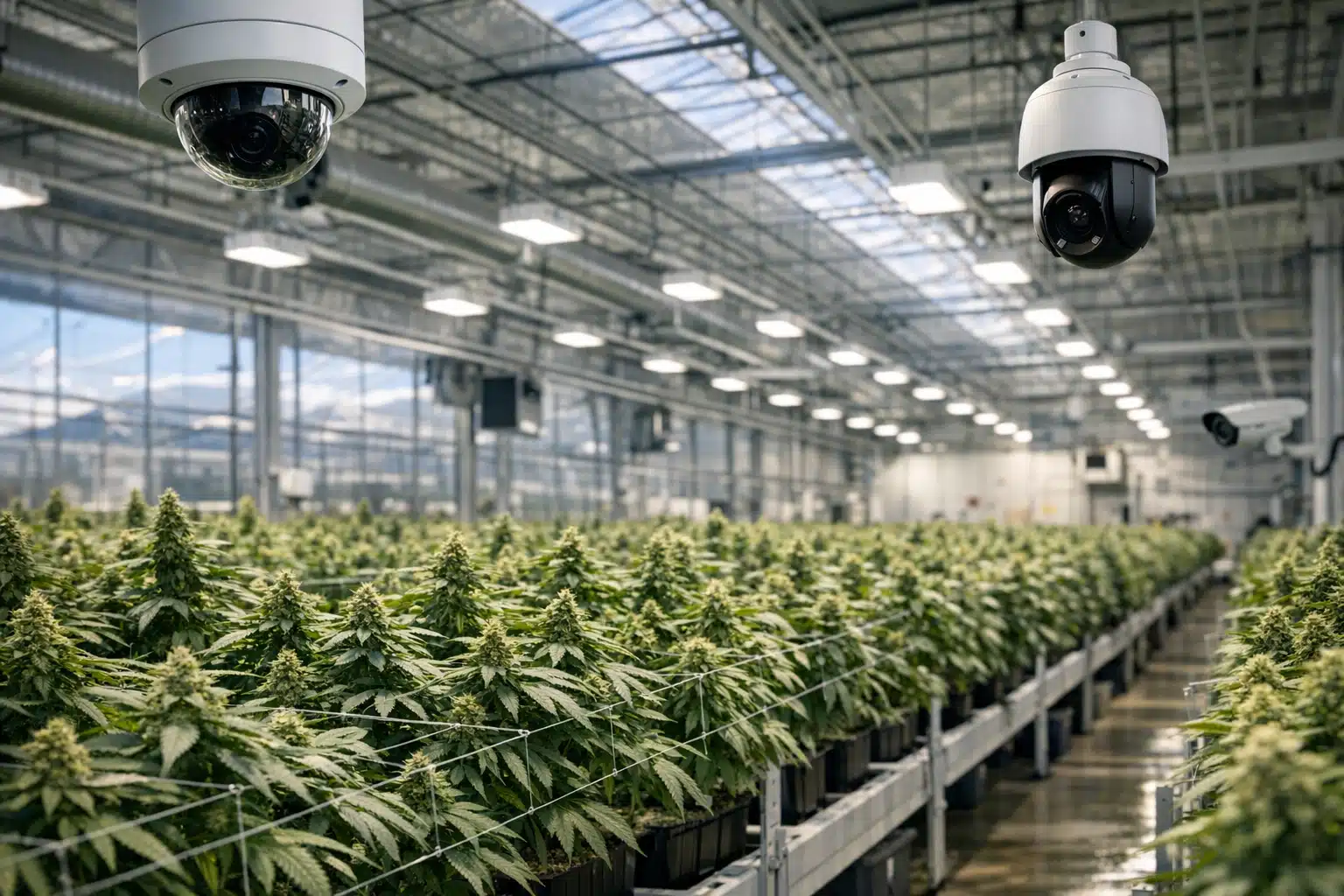
Remote surveillance plays a central role in protecting Denver cannabis grow facilities by providing continuous 24-hour video monitoring as required by Colorado's Marijuana Enforcement Division. This technology allows operators to maintain compliance with state regulations while actively monitoring for theft, unauthorized access, and environmental issues - all without requiring constant on-site security personnel.
Why Cannabis Grow Facilities Face Higher Security Risk in Denver
Colorado’s Marijuana Enforcement Division requires 24-hour video coverage at every licensed grow. That single rule reshapes how Denver operators think about site protection.
Remote surveillance gives cannabis operators live eyes on their facilities without stationing a guard in every room. For grow sites packed with high-value plants, that matters.
Denver cannabis businesses store product worth hundreds of thousands of dollars per harvest. That inventory attracts organized theft, insider diversion, and break-ins during off-hours.
This post covers the exact threats grow facilities face, how remote monitoring answers each one, and what Denver operators should ask before signing a monitoring contract.
The Specific Threats Facing Denver Grow Operations
Cannabis grow facilities deal with risks that most warehouses never see. The combination of cash, product, and strict state rules creates pressure from several directions.
Employee Diversion Is the Quiet Problem
Most product loss at grow sites comes from inside. Trimmers, packagers, and cultivation staff have direct access to plants and finished flower.
A worker pocketing a few grams per shift adds up fast across a 30-person crew. On-site cameras alone rarely catch it because nobody reviews the footage in real time.
Remote surveillance operators watch live feeds and flag suspicious movement as it happens. That shifts theft prevention from after-the-fact review to active deterrence.
After-Hours Break-Ins Target Isolated Buildings
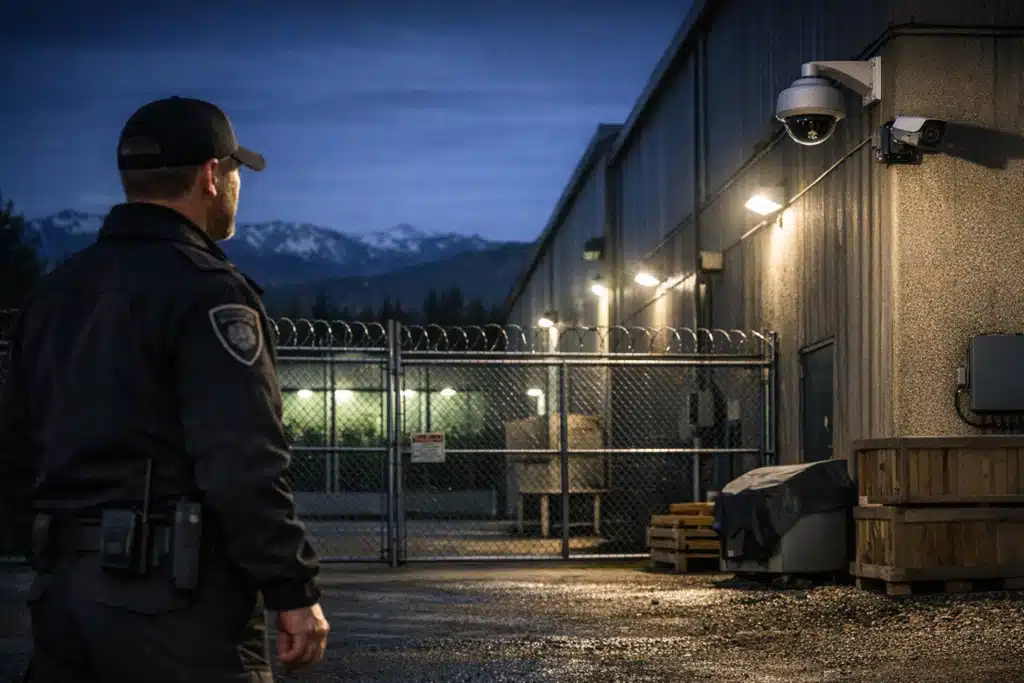
Many Denver grows sit in industrial pockets near Montbello, Elyria-Swansea, and north Aurora. These areas empty out at night.
Thieves know a dark, quiet building holds product and equipment. A cut fence or forced roll-up door can go unnoticed until morning without live monitoring.
METRC Compliance Failures Cost Licenses
Colorado ties video retention directly to license status. Cameras must cover all limited-access areas, entrances, and points of sale.
Footage must be stored for at least 40 days. A camera outage during an inspection can trigger violations that put the whole operation at risk.
How Remote Surveillance Answers Each Threat
Remote video monitoring pairs cameras with trained operators watching from a central station. The technology does more than record — it responds.
Live Monitoring During High-Risk Hours
Operators focus attention on the windows when theft happens most:
- Overnight hours when the building sits empty
- Shift changes when access doors open repeatedly
- Delivery and transport windows when product moves
- Weekends and holidays when staff coverage drops
A live operator can trigger audio warnings, alert Denver police, and notify management within seconds.
Verified Alarms Get Faster Police Response
Denver police prioritize verified alarms over standard ones. A monitoring operator who confirms an actual intruder gives dispatch real information.
That verification cuts response time and reduces false-alarm fines from the city. Automated motion alerts alone cannot offer the same confirmation.
Redundant Storage Protects Compliance
Good monitoring setups back up footage both on-site and in the cloud. If a local recorder fails, the cloud copy keeps you inside Colorado’s 40-day retention rule.
System health checks catch camera outages before an MED inspector does. That protects your license as much as your product.
High-Altitude Winter Challenges Most Vendors Ignore
Denver sits at 5,280 feet, and Rocky Mountain winters test outdoor camera systems hard. Equipment that works in Phoenix fails here.
Cold Weather Degrades Unrated Hardware
Sub-zero nights crack cheap housings and drain camera batteries fast. Cameras covering perimeter fences and loading docks need cold-rated enclosures.
Snow and Glare Blind Poorly Placed Cameras
Heavy spring snow blankets lenses and blocks views. Low winter sun angles wash out footage at east and west entrances.
A proper site assessment accounts for these problems before install, not after the first storm. Camera placement matters as much as camera count.
What Denver Cannabis Operators Should Ask Before Hiring
Choosing a monitoring partner takes more than comparing monthly rates. Ask questions that reveal whether a vendor understands grow-site rules.
- Do you know Colorado MED video requirements? The vendor should cite retention length and coverage rules without hesitation.
- Where is your monitoring station? Local operators respond faster and understand Denver neighborhoods.
- How do you verify alarms? Live human verification beats automated motion pings.
- What happens if a camera goes down? Ask about health monitoring and outage alerts.
- Can you cover limited-access rooms separately? Vegetation, flower, and vault areas each need coverage.
The right answers show a vendor who has secured grows before, not one adapting a generic retail package.

 Posted on Google
On-Site Guards and Remote Monitoring Work Better Together
Remote surveillance covers wide areas at lower cost than full guard staffing. But some grow sites benefit from both layers.
A single on-site officer handles access control at the front desk. Remote operators watch every camera across the building at the same time.
This pairing gives Denver operators coverage that neither method delivers alone. Guards handle physical response; monitoring scales eyes across the whole facility.
When Guards Add the Most Value
- Facilities with public-facing retail attached to the grow
- Sites transporting large product volumes on a set schedule
- Buildings with a history of break-in attempts
- Operations expanding faster than their camera coverage
What Remote Surveillance Costs for a Denver Grow
Pricing depends on camera count, monitoring hours, and site layout. A small grow might need 12 cameras; a large multi-room facility could run 40 or more.
Live monitoring during overnight hours costs less than round-the-clock coverage. Many operators start with high-risk windows and scale up.
The math favors remote surveillance for most grows. One monitoring contract covers what several full-time guards would cost to staff around the clock.
Conclusion
Denver cannabis grow facilities face insider diversion, off-hours break-ins, and strict state video rules all at once. Remote surveillance answers all three with live operators, verified alarms, and compliant footage storage.
Twin City Security Denver secures grow operations across the metro with monitoring built around Colorado’s rules and Denver’s weather. Call 303‑574‑0000 or email Denver@TwinCitySecurity.com for a site assessment and monitoring quote.
Sources
- Colorado Department of Revenue – Marijuana Enforcement Division
- Denver Police Department – Official Site
- National Weather Service – Denver/Boulder Forecast Office
Remote surveillance helps Denver cannabis grow facilities address insider theft, after-hours break-ins, and Colorado's strict 24-hour video requirements. Live monitoring provides faster police response and protects licenses through compliant footage storage.
- Employee diversion is the biggest source of product loss, and live remote operators can flag suspicious activity as it happens rather than reviewing footage after the fact.
- Denver police prioritize verified alarms over standard ones, so monitoring operators who confirm actual intruders get faster response times and help avoid false-alarm fines.
- Denver's high altitude and harsh winters require cold-rated camera equipment and careful placement to prevent snow and glare from blocking footage at outdoor areas.


