

The Impact of Denver’s Spring Weather on Security Systems
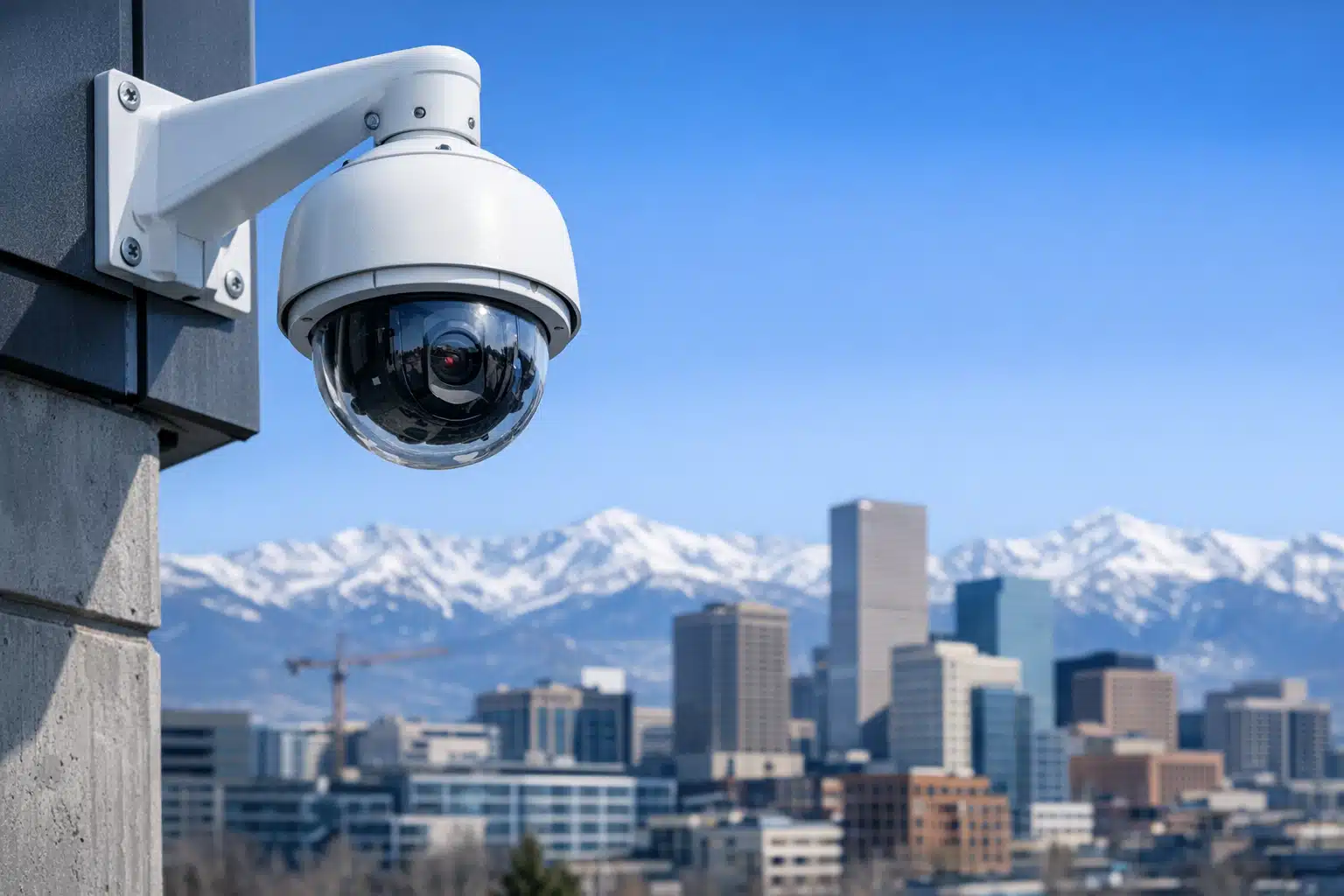
Denver's spring weather creates significant challenges for security systems due to extreme temperature swings that can reach 50 degrees in a single day between March and May. These rapid fluctuations affect electronic components, sensors, and outdoor equipment, causing false alarms, battery drain, and potential system malfunctions that most property managers fail to anticipate.
Denver’s spring weather creates unique challenges for security systems that most property managers don’t anticipate. Security systems weather impact becomes critical when temperatures swing 50 degrees in a single day, as they regularly do in the Mile High City between March and May.
Our security technicians respond to 40% more service calls during spring months compared to stable summer periods. The culprit isn’t just moisture—it’s the extreme temperature fluctuations that cause electronic components to expand and contract repeatedly.
How Denver Spring Weather Damages Security Hardware
Denver spring weather creates a perfect storm for security equipment failure. The city’s elevation and continental climate produce dramatic temperature shifts that stress electronic components beyond their design limits.
Temperature Fluctuation Effects on Cameras
Outdoor security cameras face the biggest challenges during Denver’s spring season. When overnight temperatures drop to 25°F and afternoon readings reach 75°F, internal condensation forms inside camera housings.
We’ve documented lens fogging issues at construction sites in Stapleton where morning frost creates moisture that doesn’t clear until afternoon. This condensation can short-circuit internal wiring and corrode circuit boards over time.
- Lens seal failures: Rubber gaskets become brittle in cold snaps, then expand in warm afternoons
- Internal fogging: Temperature differentials create condensation that blocks vision
- Circuit board corrosion: Moisture infiltration damages sensitive electronics
- Motor freezing: PTZ cameras stop functioning when lubricants thicken in cold weather
Access Control System Vulnerabilities
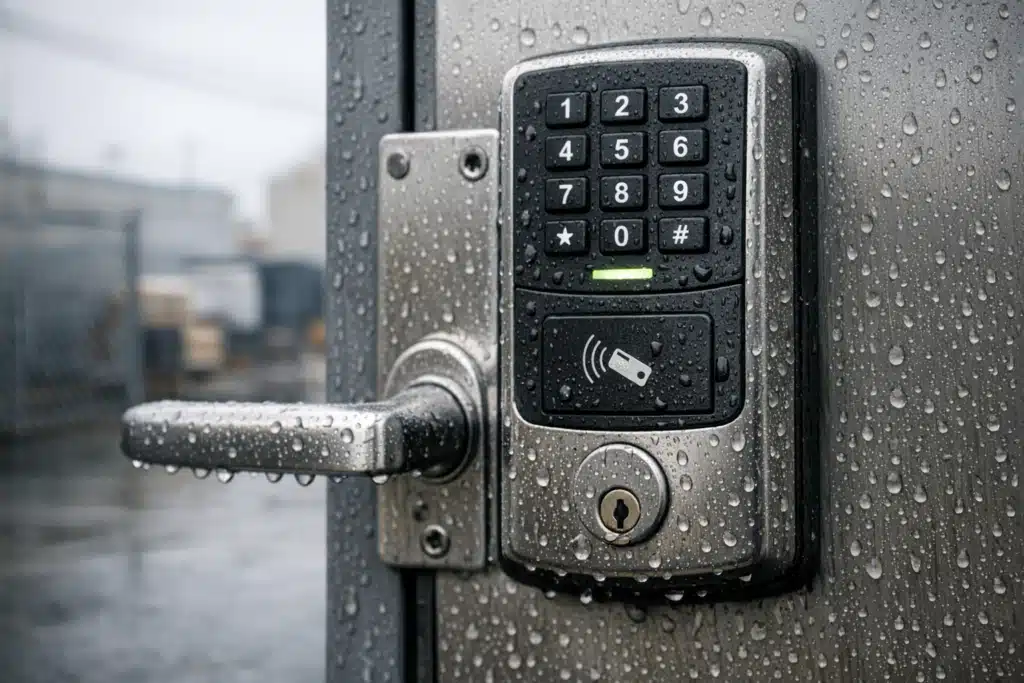
Electronic door locks and card readers suffer mechanical stress during spring weather transitions. Cannabis facilities in Aurora report 60% more lockout incidents during March and April compared to other months.
Metal components expand and contract at different rates than plastic housings. This creates gaps where moisture enters, leading to corrosion of electrical contacts and mechanical jamming.
Spring Moisture Challenges for Security Systems Weather Impact
Denver receives most of its annual precipitation during spring months. Unlike coastal cities with steady humidity, Denver alternates between bone-dry conditions and sudden downpours that saturate equipment not designed for moisture exposure.
Late Season Snow Damage
April snowstorms catch many businesses unprepared. Heavy, wet snow accumulates on camera housings and pulls down improperly mounted equipment.
We responded to five fallen camera incidents at LoDo parking structures during the April 2023 late-season storm. The combination of snow weight and wind stress exceeded mounting hardware specifications.
Rapid Snowmelt Issues
Denver’s intense spring sunshine melts snow rapidly, creating runoff that pools around equipment installations. Ground-mounted components face particular risks when drainage systems can’t handle the sudden water volume.
- Identify drainage patterns around security installations before spring melt begins
- Seal all cable entry points with weatherproof compounds rated for temperature extremes
- Install equipment covers designed for Colorado’s elevation and UV exposure
- Schedule preventive maintenance inspections for early March and late April
Wind Damage Prevention for Denver Security Equipment
Spring windstorms regularly exceed 60 mph across the Front Range. These sustained winds create vibration stress that loosens camera mounts and disrupts wireless signal transmission.
Commercial properties in Highlands Ranch face particular challenges due to their exposure to chinook winds funneling down from the mountains. Wireless security signals become unreliable when equipment shifts even slightly from optimal positioning.
Mounting Hardware Specifications
Standard security camera mounts aren’t designed for Denver’s wind conditions. We specify commercial-grade mounting systems rated for 80+ mph winds for all outdoor installations.
Vibration dampening becomes critical for maintaining image quality. Cameras that shake in moderate winds produce unusable footage during security incidents.
Remote Monitoring Solutions for Weather-Related Security Issues
Remote video surveillance helps identify weather-related equipment problems before they cause security gaps. Our monitoring center tracks camera performance metrics in real-time, catching degradation patterns before complete failures occur.
Automated Weather Response Protocols
Advanced monitoring systems adjust camera settings automatically based on weather conditions. When wind speeds exceed thresholds, PTZ cameras return to protected positions to prevent mechanical damage.
During temperature inversions common in Denver’s spring weather, cameras switch to thermal imaging modes when optical lenses fog over. This maintains security coverage without human intervention.
- Automatic position adjustment: Cameras move to sheltered positions during severe weather
- Imaging mode switching: Systems alternate between optical and thermal based on visibility
- Alert escalation: Monitoring staff receive immediate notifications of weather-related issues
- Backup activation: Secondary cameras activate when primary units experience problems
Seasonal Maintenance Schedules for Denver Security Systems
Preventive maintenance timing makes the difference between reliable security and costly emergency repairs. Our service schedule aligns with Denver’s distinct weather patterns rather than arbitrary quarterly intervals.
Pre-Spring Preparation Tasks
February inspections identify winter damage before spring weather compounds existing problems. Cannabis facilities require particular attention since security failures trigger regulatory compliance issues.
We inspect mounting hardware for stress fractures caused by freeze-thaw cycles. Small cracks that seem minor in February become major failures when spring winds apply additional stress.
Mid-Spring System Evaluations
April assessments catch developing issues before they disrupt business operations. Construction sites in Green Valley Ranch see increased theft during spring months, making reliable security coverage essential.
- Clean lens housings to remove winter salt and grime buildup
- Test heating elements in outdoor cameras before late-season cold snaps
- Verify drainage around all ground-mounted equipment installations
- Update firmware to latest versions with improved weather resistance features
- Calibrate motion detection settings for increased spring activity levels

 Posted on Google
Technology Solutions for Weather Resilience
Modern security systems include features specifically designed for challenging climate conditions. However, standard consumer-grade equipment lacks the durability needed for Denver’s weather extremes.
Military-Grade Camera Housings
Commercial security installations require IP67-rated housings at minimum. These sealed enclosures prevent moisture infiltration while maintaining thermal regulation through extreme temperature swings.
Heated housings prevent internal condensation during rapid temperature changes. The small additional power consumption pays for itself by eliminating service calls and equipment replacement costs.
Redundant Communication Systems
Spring storms disrupt internet connectivity, making backup communication essential for critical facilities. Cellular backup systems maintain monitoring connections when primary internet service fails.
Cannabis facilities use dual-path communication to meet state monitoring requirements even during severe weather events. This redundancy prevents compliance violations that could jeopardize operating licenses.
Cost Impact of Weather-Related Security Failures
Equipment replacement costs represent only part of weather-related security expenses. Business disruption and potential security breaches during system downtime create much larger financial impacts.
Construction sites lose an average of $15,000 in materials per theft incident. When weather damages security cameras, theft rates increase 300% until replacement equipment is installed and configured.
Insurance Considerations
Many commercial insurance policies require functioning security systems for full coverage. Weather-related system failures can void theft protection if businesses can’t demonstrate proper maintenance and weather protection measures.
Documented maintenance schedules and professional installation records help support insurance claims when weather damage does occur.
Emergency Response Planning
Severe weather events require rapid security system restoration to prevent theft during vulnerable periods. Our emergency response protocols prioritize critical facilities based on security risk levels and regulatory requirements.
Cannabis facilities receive priority response due to state compliance mandates. Construction sites and retail locations follow based on theft risk assessments and previous incident history.
Temporary Security Measures
Mobile surveillance units provide immediate coverage while permanent systems undergo weather-related repairs. These battery-powered units operate independently of site power and internet connectivity.
Solar-powered cameras offer extended deployment capability for construction sites and remote locations where power restoration takes longer than urban areas.
Denver’s spring weather challenges security systems in ways that require specialized knowledge and proactive planning. Temperature fluctuations, moisture infiltration, and high winds create unique stress conditions that standard equipment often can’t withstand. Professional assessment and weather-resistant technology prevent costly failures during this critical season.
Protect your Denver property with security systems designed for Colorado’s challenging spring weather. Contact Twin City Security Denver at 303-574-0000 or Denver@TwinCitySecurity.com for a comprehensive weather resilience assessment of your current security infrastructure.
Sources
- National Weather Service – Denver Climate Data
- NIST – Environmental Testing Standards for Electronic Equipment
- Colorado Department of Revenue – Cannabis Security Requirements
Denver's spring weather creates unique challenges for security systems, with our technicians responding to 40% more service calls during spring months due to extreme temperature swings, moisture, and high winds.
- Temperature fluctuations of 50 degrees in a single day cause internal condensation in cameras, circuit board corrosion, and mechanical stress on access control systems - cannabis facilities in Aurora report 60% more lockout incidents during March and April.
- Spring windstorms exceeding 60 mph loosen camera mounts and disrupt wireless signals, requiring commercial-grade mounting systems rated for 80+ mph winds and vibration dampening for reliable footage.
- Preventive maintenance timed to Denver's weather patterns - with February inspections and April assessments - prevents costly emergency repairs, while military-grade IP67-rated housings and redundant communication systems provide weather resilience.


