

Securing Denver’s New Construction Projects in 2026: A Guide
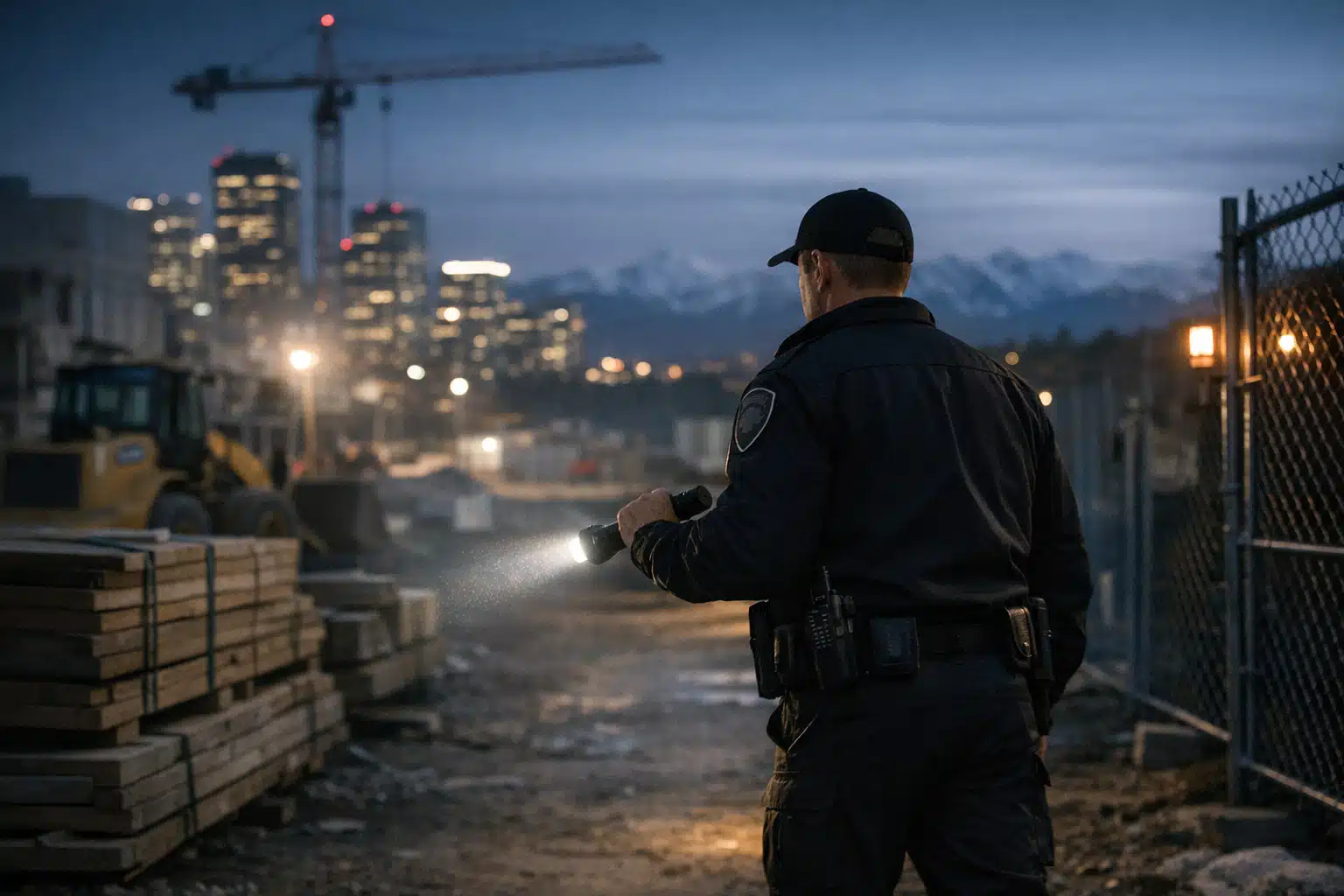
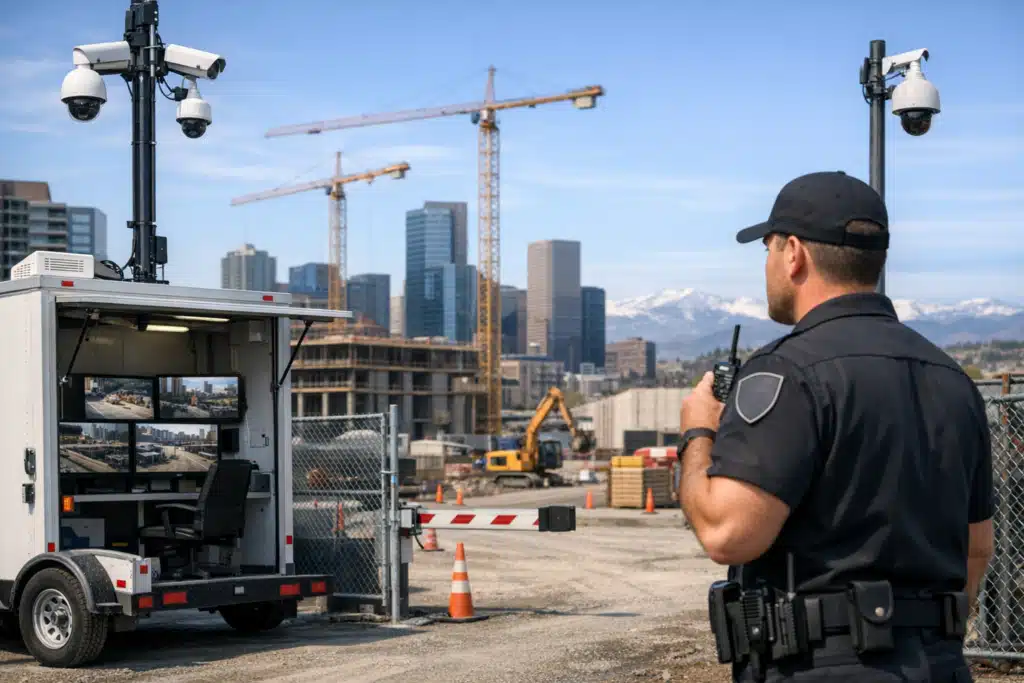
New construction sites in Denver require layered protection during the vulnerable building phase before permanent security systems are installed. Effective strategies include perimeter fencing with locked gates, mobile surveillance trailers, regular security patrols, GPS tracking on heavy equipment, and proper lighting. Coordinating with local law enforcement and maintaining detailed inventory logs also helps prevent theft and vandalism throughout the construction timeline.
Why 2026 Changes the Game for Denver Construction Sites
Denver added thousands of new housing units and commercial builds in 2025, and that pace holds into 2026. Each site sits exposed for months before locks and alarms exist.
Construction security matters more than ever as material prices climb and theft rings target active sites. Copper wire, lumber, and heavy equipment vanish overnight across metro Denver.
This post breaks down the risks facing new projects in 2026. You will learn site-specific tactics, winter protection methods, and how remote monitoring cuts losses.
The Real Cost of Construction Theft in Denver
Construction site theft costs the U.S. building sector over $1 billion yearly. In Colorado, copper and catalytic converter theft spiked alongside rising metal prices.
A single stolen skid steer can set a Denver project back $40,000 and weeks of delay. Insurance rarely covers the full schedule impact.
What Thieves Target on Active Sites
- Copper wiring and piping — stripped from unfinished walls at night
- Power tools and compressors — small, high-value, easy to resell
- Heavy equipment — excavators and loaders left on-site overnight
- Lumber and rebar — truckloads disappear during material shortages
- Fuel — siphoned from parked machinery and storage tanks
Downtown builds near LoDo and RiNo face foot-traffic theft. Suburban sites in Aurora and the Highlands deal with vehicle-based crews hauling bulk materials.
Construction Security Strategies Built for 2026
Protecting a Denver build site now demands layered defense, not a single fence. Here is a step-by-step framework that works across project phases.
- Map your vulnerable windows. Theft peaks between Friday evening and Monday morning. Plan coverage around these gaps.
- Install remote video surveillance early. Set up cameras before framing begins, when the site sits most exposed.
- Add mobile on-site guards. Pair live monitoring with roving patrols for immediate response.
- Control site access. Log every vehicle and worker entering through a single checkpoint.
- Light the perimeter. Motion-triggered lighting deters crews and improves night camera clarity.
Why Remote Video Surveillance Leads in 2026
Remote video surveillance covers large Denver sites without stationing a guard at every corner. Trained operators watch live feeds and call in response fast.
Modern systems flag motion in restricted zones after hours. An operator can trigger a voice-down warning before a thief reaches the copper.
This method cuts false alarms and reaches areas patrols miss. It runs 24/7 without fatigue, which matters on multi-acre projects.
High-Altitude Winter Risks That Catch Builders Off Guard
Denver winters create security gaps that warmer cities never face. Snow, short daylight, and freezing nights reshape how a site stays protected.
Weather Problems Unique to Mile-High Sites
- Shorter daylight means more hours of darkness for thieves to work.
- Snow cover hides tire tracks and muffles sound near equipment.
- Freezing temps can drain standard camera batteries fast.
- Empty sites during storm shutdowns invite unmonitored break-ins.
Cameras rated for Colorado cold keep recording below zero. Cellular-backed systems stay online when storms knock out site power.
During a storm shutdown, a monitored site still has eyes watching. That coverage matters most when no crew is present for days.
Neighborhood-Specific Security Needs Across Metro Denver
No two Denver build sites face the same threats. Location shapes the risk profile and the right defense.
Downtown and Central Corridors
LoDo, RiNo, and Capitol Hill builds deal with heavy foot traffic. Unhoused encampments and street-level access raise after-hours intrusion risk.
Access control and visible guard presence work best in dense zones. Cameras alone leave blind spots between tight buildings.
Suburban and Outer Sites
Aurora, Lakewood, and Commerce City sites sit on open lots. Vehicle crews back trucks to material piles under cover of distance.
Remote video with license-plate capture tracks entry points here. Wide-angle coverage suits sprawling sites better than foot patrols alone.

 Posted on Google
Securing Cannabis Facility Construction in Colorado
Cannabis grow and retail builds face double exposure in 2026. The structure holds value, and the end-use draws targeted theft.
Colorado requires licensed cannabis sites to meet strict video and access rules. Building security correctly from the start avoids costly retrofits later.
What Cannabis Build Sites Require
- Continuous video coverage that aligns with Marijuana Enforcement Division standards
- Logged access control for all contractors and visitors
- Secure storage for high-value systems installed before opening
- Documented monitoring that supports later license compliance
Planning security during construction saves money. Infrastructure installed mid-build costs far less than cutting into finished walls.
How to Choose a Denver Construction Security Partner
Pick a provider that knows metro Denver sites and Colorado weather. Ask direct questions before signing any agreement.
- Do your cameras function in sub-zero Colorado winters?
- Can operators issue live voice warnings during an intrusion?
- How fast do you dispatch guards after an alert?
- Do you have references from local new projects?
- Can you scale coverage as my build advances?
A strong partner adjusts coverage across phases. Early groundwork needs different protection than near-complete structures.
Protect Your New Projects Before the First Loss
Denver construction theft climbs with material costs, and winter widens the gaps. Layered construction security, remote video, and local guards cut losses across every phase.
Twin City Security Denver builds site protection around your project timeline and neighborhood. Call 303‑574‑0000 or email Denver@TwinCitySecurity.com for a Denver site assessment.
Sources
- National Insurance Crime Bureau – Equipment Theft Reports
- Colorado Department of Revenue – Marijuana Enforcement Division
- Denver Police Department – Crime Statistics and Reporting
Denver construction sites face rising theft risks in 2026 as building continues at a rapid pace and material prices climb. Layered security combining remote video surveillance, mobile guards, and access control offers the best protection across project phases.
- Construction theft costs the U.S. building sector over $1 billion yearly. Thieves target copper wiring, power tools, heavy equipment, lumber, and fuel - with losses potentially setting projects back $40,000 and weeks of delay.
- Denver winters create unique security gaps including shorter daylight hours, snow that hides tracks, and freezing temps that drain standard camera batteries. Cold-rated and cellular-backed systems help maintain coverage during storm shutdowns.
- Different Denver neighborhoods require tailored approaches. Downtown sites need visible guard presence for foot traffic threats while suburban locations benefit from remote video with license-plate capture to track vehicle-based theft crews.


