

Securing Denver’s Apartment Communities: Best Practices for Spring
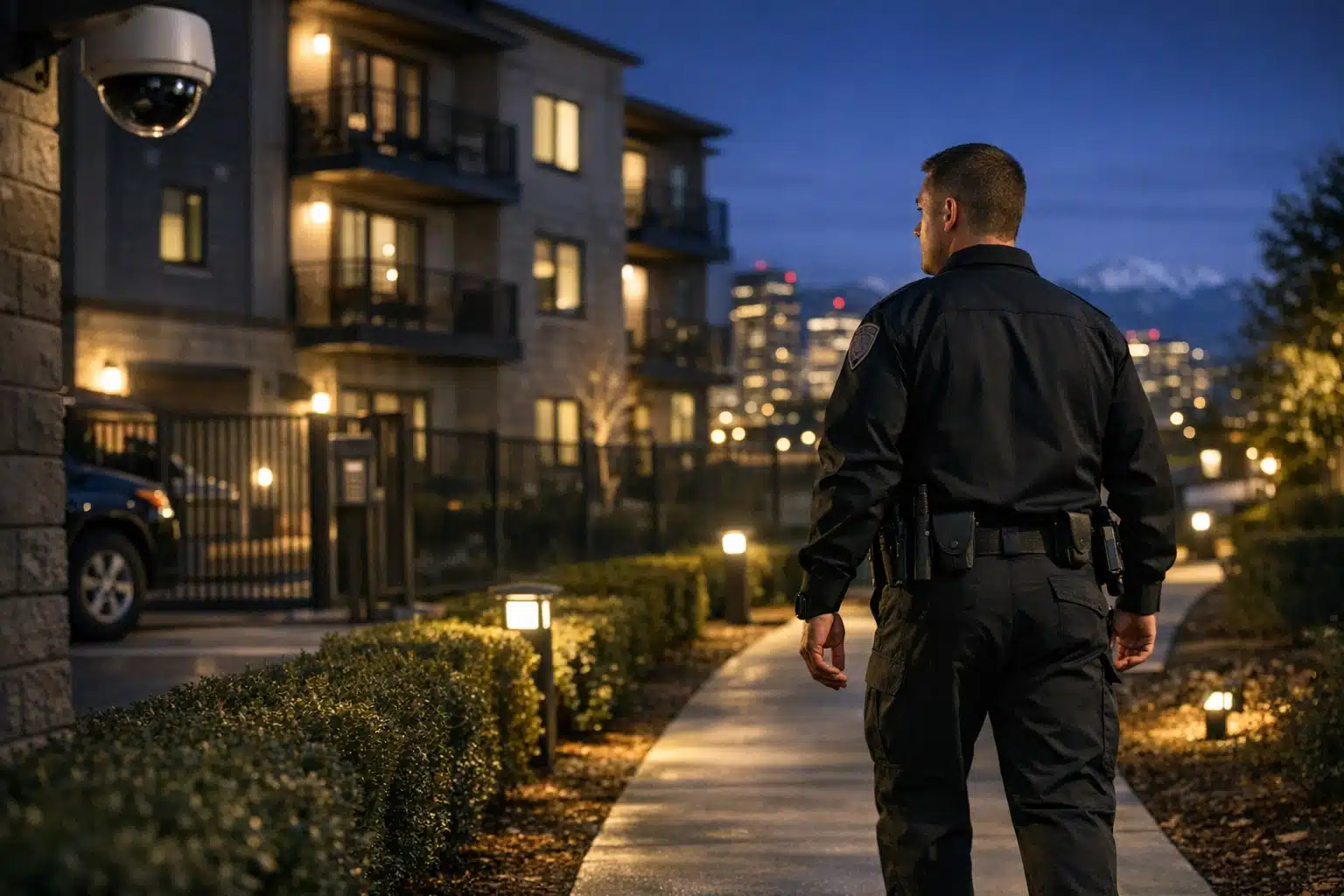
Denver apartment communities can improve spring security by increasing lighting around parking areas and walkways, installing or upgrading surveillance cameras, and conducting regular property patrols during evening hours. Property managers should also trim overgrown landscaping that creates hiding spots, verify access control systems work properly, and encourage residents to report suspicious activity promptly.
Spring Brings More Foot Traffic and More Risk to Denver Apartments
Denver property crime climbs as the snow melts and daylight stretches longer. Warmer evenings mean more people moving around apartment grounds after dark.
Spring also marks peak lease-turnover season. Vacant units, propped doors, and moving trucks create openings for theft.
Strong apartment security in spring depends on three things: visible deterrence, controlled access, and consistent monitoring. This post breaks down practical steps property managers across Capitol Hill, Aurora, and the Highlands can act on now.
Denver Police data shows property crimes like burglary and motor vehicle theft remain among the city’s most reported offenses. Multifamily communities sit squarely in that risk profile.
Why Apartment Security Needs a Spring Reset
Winter habits leave gaps. Salt-corroded locks, frozen camera housings, and burned-out exterior lights go unnoticed under snow cover.
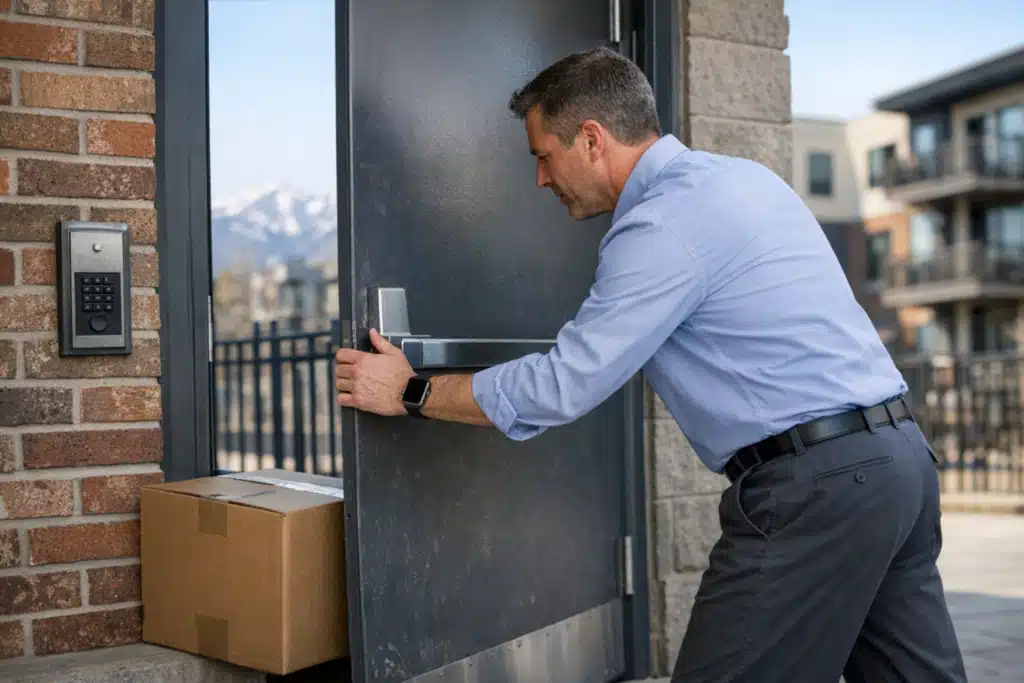
Spring is the right moment to audit what failed over winter. A single dark stairwell or jammed gate invites the wrong attention.
Common Spring Vulnerabilities in Denver Complexes
- Faded or dead exterior lighting from winter power cycling
- Propped doors during move-ins and warm-weather ventilation
- Unsecured bike rooms and storage as residents pull out gear after winter
- Catalytic converter theft in open or poorly lit parking structures
- Tailgating at gates as visitor traffic increases
Each gap is fixable. Catching them early prevents a quiet spring from turning into a crime report.
Spring Best Practices for Denver Apartment Communities
Effective protection follows a clear order. Start with the perimeter, then access points, then interior common areas.
Step 1: Audit Lighting Before the Days Get Longer
Longer daylight tempts managers to deprioritize lighting. Criminals still target the hours between dusk and midnight.
Walk every walkway, stairwell, and parking row after dark. Replace dead bulbs and switch fixtures to motion-activated LED units.
Pay close attention to parking structures. Vehicle theft and break-ins spike where shadows hide activity.
Step 2: Reset Access Control After Lease Turnover
Spring move-outs leave old fobs and codes active. Former residents and their guests may still hold working credentials.
To tighten access control during turnover season:
- Deactivate every fob and code tied to a departed unit
- Reset gate and amenity-room access codes on a fixed schedule
- Test gate closers and latches that may have warped over winter
- Verify intercom and call-box function at main entries
A gate that no longer latches is the same as no gate at all.
Step 3: Secure Storage, Bike Rooms, and Package Areas
Residents retrieve bikes, grills, and gear once temperatures rise. Storage cages and bike rooms become high-value targets.
Add tamper alerts to storage doors. Position a camera with a clear view of every entry and exit.
Package theft also climbs in spring as online orders ramp up. A monitored package room cuts losses and resident complaints.
Why Remote Video Surveillance Fits Denver Apartment Properties
Remote video monitoring watches your property when on-site staff cannot. Trained operators review live feeds and respond to suspicious activity in real time.
For multifamily communities, this means coverage at 2 a.m. without paying for an overnight guard at every building. Operators issue voice warnings over speakers when someone enters a restricted area.
What Remote Monitoring Catches That Cameras Alone Miss
A recorded camera tells you what happened yesterday. A monitored camera stops it tonight.
- Trespassers in parking structures get a live voice-down warning
- Loitering near entries triggers operator review before escalation
- Open or propped doors get flagged to property staff fast
- Vehicle break-ins prompt immediate dispatch and police notification
This active layer matters most overnight and during the quiet weekday hours managers cannot staff.
High-Altitude Weather and Camera Reliability
Denver’s spring swings between 70-degree afternoons and late snow. Equipment must hold up to freeze-thaw cycles and afternoon hail.
Use weather-rated camera housings and verify lens heaters work. A camera fogged by morning frost leaves a blind spot during peak risk hours.
Combining On-Site Guards With Remote Coverage
Some Denver properties need a physical presence. Larger Capitol Hill and downtown communities benefit from a guard during evening hours and remote monitoring overnight.
A visible patrol deters loitering in courtyards and lobbies. Remote operators extend that protection across the rest of the day at lower cost.
The right mix depends on your property:
- Garden-style suburban complexes in Aurora often do well with remote monitoring and strong lighting
- High-density urban buildings in LoDo benefit from evening guard coverage plus 24/7 camera monitoring
- Mixed-use properties with ground-floor retail need access separation between residential and commercial zones

 Posted on Google
A Spring Security Checklist for Property Managers
Run this list before the busy leasing season hits full speed:
- Test every exterior and stairwell light after dark
- Deactivate credentials from all winter move-outs
- Inspect gates, latches, and closers for cold-weather damage
- Clean and refocus cameras after winter grime buildup
- Confirm bike room and storage locks function
- Review camera coverage of parking and package areas
- Update resident contact lists for emergency notifications
- Post clear signage announcing video monitoring on site
Signage alone reduces opportunistic crime. People who know they are watched move on to easier targets.
What Denver Property Managers Ask Before Hiring Security
Three questions come up most when communities request a quote.
How fast do operators respond? Quality remote monitoring responds within seconds of an alert, with voice-down and dispatch capability.
Will cameras work in Colorado weather? Properly rated equipment handles freeze-thaw cycles, hail, and bright high-altitude sun.
What does coverage cost? Remote monitoring usually costs far less than staffing guards around the clock, and pairs with guards where needed.
Protect Your Community This Spring
Spring opens Denver apartment communities to more traffic, more vacancies, and more risk. Strong lighting, reset access control, and active monitoring close the gaps winter leaves behind.
Twin City Security Denver builds apartment security plans matched to your property’s size, location, and budget. Call 303‑574‑0000, email Denver@TwinCitySecurity.com, or visit https://www.twincitysecuritydenver.com for a Denver security assessment.
Sources
- Denver Police Department – Crime Statistics and Maps
- FBI – Uniform Crime Reporting (UCR) Program
- National Criminal Justice Reference Service – Crime Prevention Through Environmental Design
Spring increases security risks for Denver apartment communities due to higher foot traffic, lease turnover, and property crime. Twin City Security Denver recommends visible deterrence, controlled access, and consistent monitoring to protect multifamily properties.
- Denver property crime rises in spring as vacant units, propped doors, and moving trucks create theft opportunities. A security reset should address winter damage to locks, cameras, and lighting.
- Property managers should audit exterior lighting, deactivate old access credentials after move-outs, and secure storage and bike rooms. Package theft also climbs as online orders increase.
- Remote video monitoring provides 24/7 coverage at lower cost than overnight guards. Live operators can issue voice warnings and dispatch police during suspicious activity.


