

How to Secure Temporary Event Venues in Denver
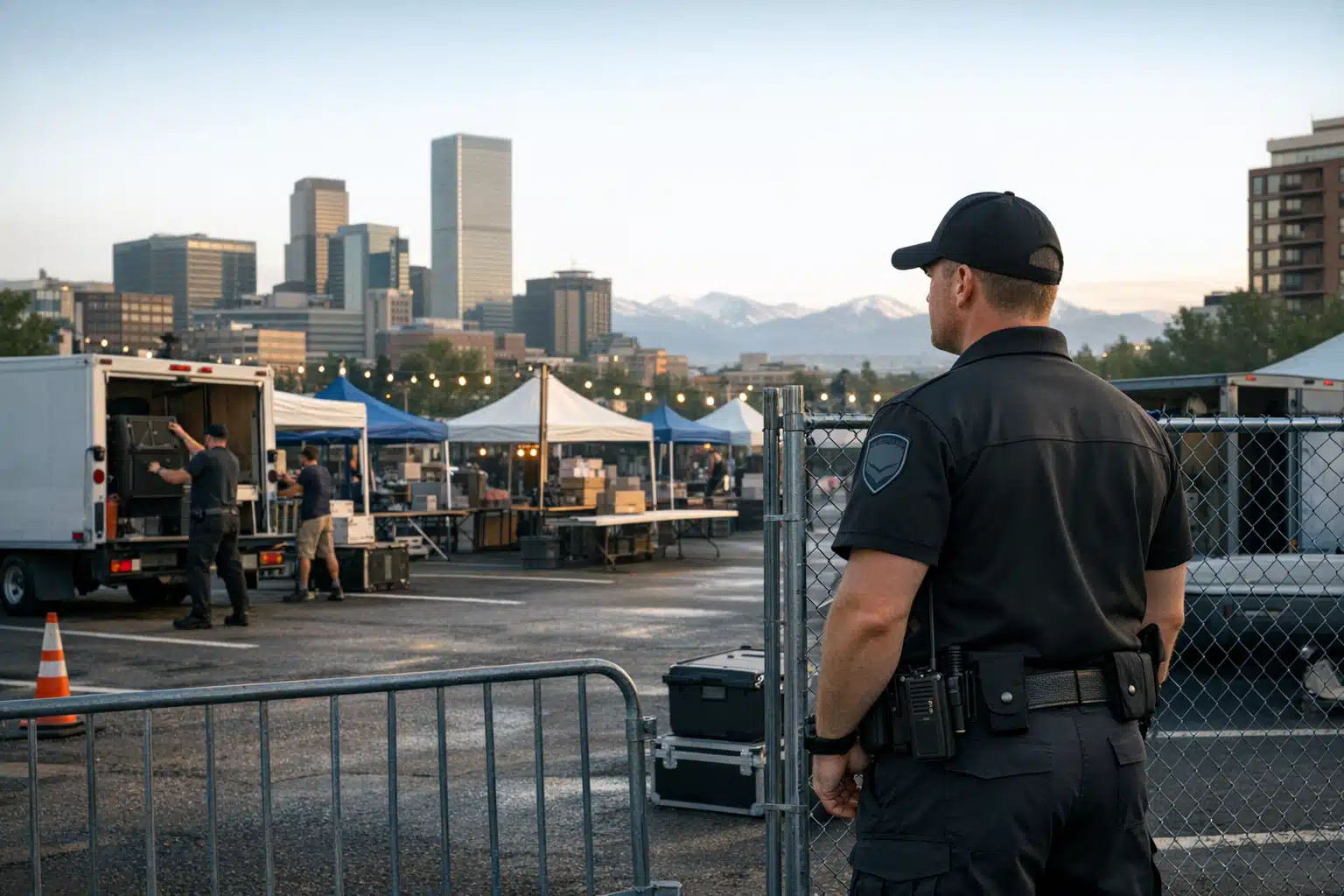
Securing temporary event venues in Denver requires a layered approach. Start by assessing the location for access points and potential risks. Install portable fencing, temporary lighting, and surveillance cameras. Hire trained security personnel familiar with local regulations. Coordinate with Denver police for large gatherings and establish clear entry checkpoints with bag checks and credential verification systems.
Why Temporary Event Venues Face Bigger Security Risks in Denver
Denver hosts thousands of pop-up markets, concerts, and private gatherings each year. Many happen in parking lots, warehouses, and open fields with no permanent security infrastructure.
That gap creates exposure. Event security for these spaces starts from zero, with no fixed cameras, fencing, or access control built in.
Denver Police reported over 30,000 property crime incidents in recent years, with theft peaking during summer festival months. Temporary venues become easy marks when planning falls short.
This post walks Denver organizers and property managers through securing temporary event spaces step by step. You get practical actions, local rules, and weather-specific planning.
Understanding the Denver-Specific Threats to Temporary Venues
Temporary spaces attract different risks than permanent buildings. Knowing the local pattern helps you plan smarter.
Theft and Equipment Loss
Sound systems, catering gear, and vendor cash draw thieves. Load-in and load-out windows are the highest-risk periods.
A LoDo warehouse event might store ,000 in AV equipment overnight. Without overnight monitoring, that inventory sits unprotected.
Crowd Density and Alcohol
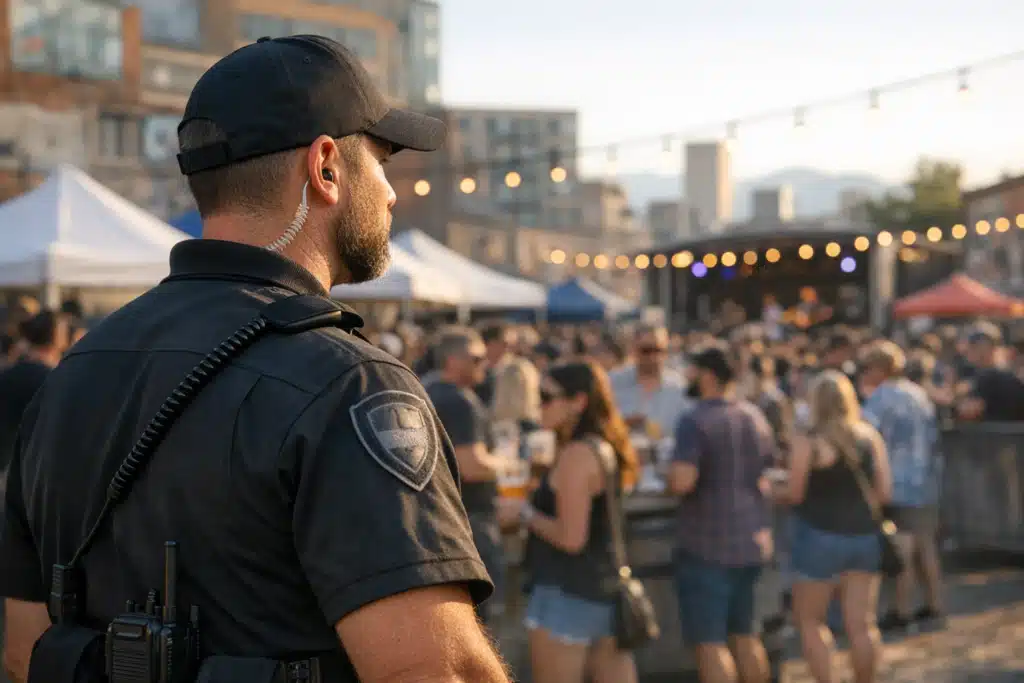
Festivals in RiNo and Capitol Hill mix large crowds with beer gardens. Conflicts rise as the night runs long.
Colorado liquor laws require servers to cut off intoxicated guests. Trained staff spot problems before they escalate into fights.
High-Altitude Weather Shifts
Denver weather changes fast at 5,280 feet. A summer afternoon can drop 30 degrees when a storm rolls off the Rockies.
Hail, lightning, and sudden wind threaten tents and crowds. Security plans must include evacuation routes and shelter guidance.
Step-by-Step: How to Secure a Temporary Event Venue in Denver
To protect your Denver temporary venue, follow these steps in order.
- Map the site first. Walk the space and mark every entrance, exit, and blind spot.
- Set a single controlled entry point. Funnel guests through one checkpoint for bag checks and ticket scans.
- Secure the perimeter. Use fencing or barriers to block unauthorized access at open-air sites.
- Add temporary surveillance. Deploy mobile camera units where no permanent cameras exist.
- Assign guard zones. Position staff at entry, cash handling, backstage, and parking areas.
- Plan for weather. Identify shelter and post evacuation routes before doors open.
- Brief every worker. Give vendors and volunteers a clear chain of command for incidents.
This order matters. Site mapping shapes every decision that follows.
Why Mobile Surveillance Fits Temporary Venues
Mobile surveillance units close the gap that temporary venues create. They arrive fast and need no permanent wiring.
A single unit covers parking lots, entry gates, and equipment storage. Cameras record load-in and load-out, the two windows thieves target most.
What Mobile Units Add to Event Security
- Night visibility with infrared cameras for after-dark coverage
- Live remote monitoring so operators watch multiple feeds at once
- Motion alerts that flag movement in restricted zones
- Recorded evidence for insurance claims and police reports
- Visible deterrence that discourages theft before it starts
Cameras never replace guards. They extend what a small on-site team can watch.
On-Site Guards Versus Remote Monitoring for Events
Both methods protect temporary spaces. The right mix depends on your crowd size and venue layout.
When On-Site Guards Matter Most
Guards handle live conflict, medical calls, and access disputes. A wedding at a Highlands venue needs a visible presence at the door.
People respond to human authority. A guard defuses a heated guest faster than any camera.
When Remote Monitoring Wins
Remote monitoring covers overnight gaps and wide perimeters. An Aurora construction-lot concert benefits from camera coverage across dark acreage.
Operators watch feeds from a central station. They dispatch help the moment something looks wrong.
The Combined Model
Most Denver events run best with both. Guards cover the crowd. Cameras cover the edges and after-hours storage.
Colorado Regulations Event Organizers Should Know
Denver events answer to local and state rules. Missing a requirement can shut an event down.
- Special event permits come from the City and County of Denver for public gatherings.
- Liquor licensing follows Colorado rules for temporary alcohol sales.
- Occupancy limits apply to tented and indoor temporary spaces.
- Licensed security personnel must hold valid credentials to work armed or unarmed posts.
Confirm every permit before your event date. Denver inspectors check large gatherings on-site.

 Posted on Google
Securing Cannabis-Related Events in Denver
Cannabis events carry extra rules. Colorado law limits public consumption and controls product handling.
A private cannabis tasting in a temporary space needs controlled entry and age verification. Product storage requires locked, monitored areas.
Cash volume runs high at these gatherings. Many operators still handle large amounts of cash due to banking limits.
Guards and cameras protect that cash from entry to close. Chain-of-custody records support compliance if regulators ask.
Planning Around Denver’s Seasonal Calendar
Season shapes your security plan. Denver’s event risks shift across the year.
Summer Festival Season
June through August brings the largest crowds. Theft and heat-related medical calls rise with attendance.
Winter Indoor Events
Cold months push events indoors. Icy parking lots create slip hazards and slow emergency response.
Snow-clearing and lit walkways reduce liability. Guards monitor lots for stranded guests during storms.
Common Mistakes at Denver Temporary Venues
Organizers repeat the same errors. Avoiding them saves money and prevents incidents.
- Skipping the site walk. Blind spots go unnoticed until something goes missing.
- Understaffing load-out. The end of the night is when theft peaks.
- Ignoring weather plans. A sudden hailstorm with no shelter plan endangers guests.
- Multiple open entrances. Uncontrolled access lets anyone slip in unchecked.
- Booking security too late. Good teams need lead time to map and staff correctly.
Book coverage early. Denver’s peak weekends fill fast for both guards and camera units.
Building Your Event Security Budget
Cost depends on crowd size, hours, and venue type. A small private event differs from a 2,000-person concert.
Factor these into your budget:
- Number of guards and shift length
- Mobile surveillance units and monitoring hours
- Load-in and load-out coverage windows
- Overnight equipment protection
- Weather contingency staffing
A clear scope prevents surprise charges. Request a written assessment before you commit.
Get a Denver Event Security Assessment
Temporary venues need a plan built for their exact layout, crowd, and season. Strong event security combines trained guards with mobile surveillance and a weather-ready evacuation plan.
Twin City Security Denver assesses your site and builds a coverage plan that matches your event. Call 303‑574‑0000, email Denver@TwinCitySecurity.com, or visit https://www.twincitysecuritydenver.com for a quote.
Sources
- Denver Police Department – Crime Statistics and Reporting
- Colorado Department of Revenue – Marijuana Enforcement Division
- City and County of Denver – Office of Special Events Permits
- National Weather Service – Boulder/Denver Forecast Office
Twin City Security Denver explains how to secure temporary event venues in the city, covering local threats like theft, crowd conflicts, and sudden weather changes at 5,280 feet elevation.
- Temporary venues lack permanent security infrastructure, making them targets during load-in and load-out windows when expensive equipment sits unprotected.
- A step-by-step approach includes site mapping, single controlled entry points, perimeter fencing, mobile surveillance units, and weather evacuation plans.
- Denver events require special permits, liquor licensing, and licensed security personnel - organizers should book coverage early since peak weekends fill fast.


