

Navigating Fire Watch Requirements for Denver’s Commercial Properties
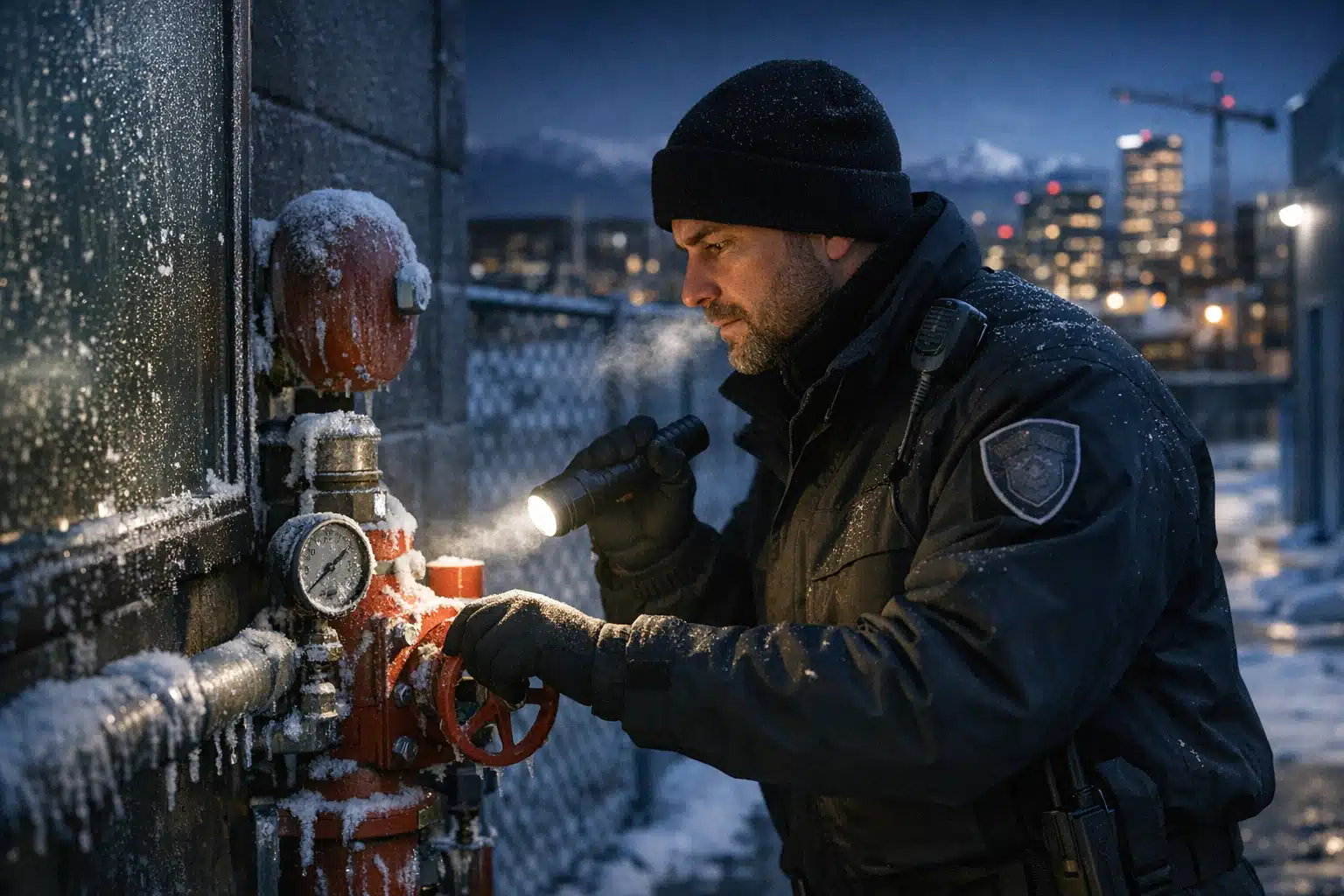
Fire watch services become mandatory when a building's fire protection system goes offline. In Denver, commercial property owners must arrange for trained personnel to patrol the premises and watch for fire hazards during system outages. This requirement applies to sprinkler malfunctions, fire alarm failures, and scheduled maintenance periods when protection systems are temporarily disabled.
What Fire Watch Requirements Mean for Denver Commercial Properties
Fire watch services become mandatory the moment a building’s fire protection system goes offline. In Denver, that happens more than most owners expect.
Sprinkler line freezes during a January cold snap. A fire alarm panel fails inspection. A hot work permit gets pulled for welding in a LoDo warehouse renovation.
Each scenario triggers a legal duty to post trained personnel until the system returns to service. The Denver Fire Department enforces this under the adopted fire code, and skipping it risks fines, shutdowns, and liability.
This article breaks down when fire watch is required, what the patrols involve, and how commercial property requirements differ across building types. It reflects work our teams handle across Denver every week.
When Denver Fire Code Requires a Fire Watch
A fire watch is required whenever a code-mandated fire protection feature stops working. The Denver Fire Department follows the International Fire Code with local amendments.
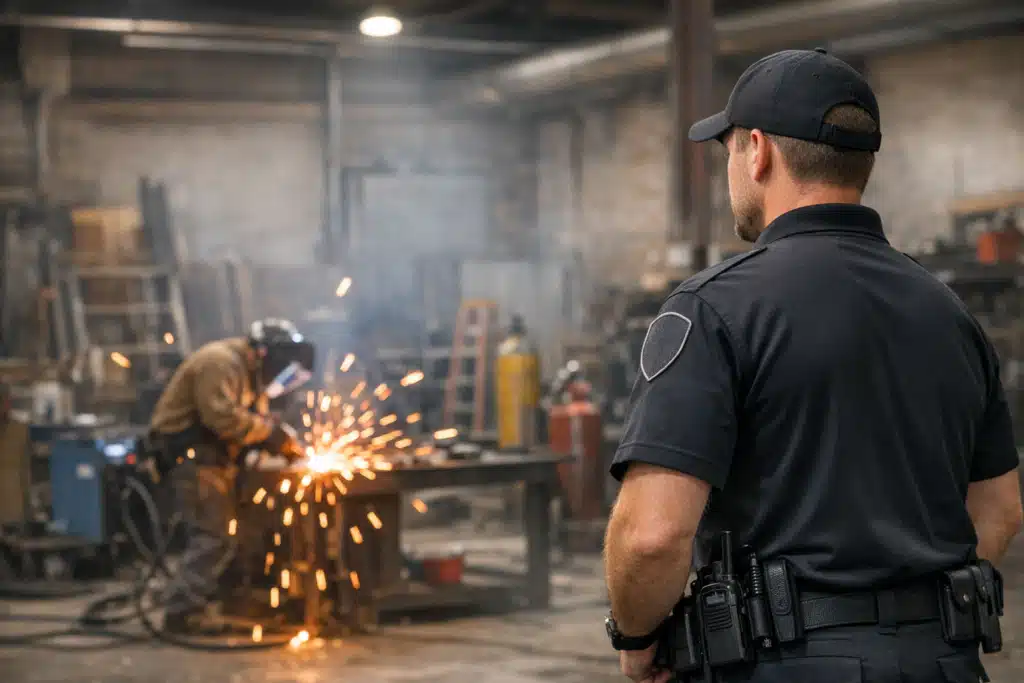
Common triggers include:
- Sprinkler system impairment lasting more than 10 hours in a 24-hour period
- Fire alarm system outage during repairs, upgrades, or failed inspections
- Hot work such as welding, grinding, or torch cutting
- Large public assemblies where occupancy exceeds posted limits
- Construction and demolition phases before permanent systems activate
The threshold matters. A sprinkler valve closed for a two-hour valve swap may not require watch. One shut overnight during a pipe repair almost always does.
Winter Freeze-Ups Are a Denver-Specific Trigger
Denver’s high-altitude winters create a recurring problem. Wet sprinkler pipes in unheated spaces freeze and crack.
We see this in older Highlands warehouses and Capitol Hill mixed-use buildings with exposed attic lines. When a pipe bursts, the system drains and goes out of service.
Until a licensed contractor makes repairs, the building sits impaired. A fire watch bridges that gap legally and physically.
What a Fire Watch Patrol Involves
Fire watch is not a guard standing at a desk. It is active, documented patrolling of the entire affected area.
A proper fire watch includes:
- Continuous patrols of all floors and impaired zones at set intervals, usually every 15 to 60 minutes
- Written logs recording each patrol time, location, and observations
- Direct communication to call 911 immediately upon detecting smoke or fire
- Knowledge of exits and the ability to alert and evacuate occupants
- Access to a charged fire extinguisher and working phone at all times
Denver Fire may request the log during or after the impairment. Missing or falsified records create serious liability exposure.
Patrol Frequency Depends on Occupancy
A vacant Aurora storage facility might allow hourly rounds. A downtown hotel with sleeping guests demands tighter intervals.
The authority having jurisdiction sets the required frequency. Our supervisors confirm the interval with the fire inspector before the first shift starts.
Fire Watch Requirements by Property Type
Commercial property requirements shift based on how a building is used and who occupies it.
Construction Sites
Denver’s building boom keeps cranes over RiNo and the Central Platte Valley busy. During framing and before sprinklers go live, sites carry high fire load from lumber and combustible materials.
Fire watch during hot work and off-hours protects the structure and satisfies permit conditions. It pairs naturally with theft deterrence on active sites.
Cannabis Facilities
Colorado cannabis operations face layered rules. Extraction rooms using flammable solvents raise fire risk sharply.
When alarm or suppression systems in a cultivation or extraction facility fail, a fire watch keeps operations compliant with both fire code and Marijuana Enforcement Division security expectations. Our officers understand the access-control sensitivity these sites require.
Hotels and Apartment Communities
Buildings with sleeping occupants carry the strictest standards. A fire alarm outage in a Capitol Hill apartment tower cannot go unwatched.
Fire watch here means faster patrol intervals and clear occupant notification plans. Residents deserve accountable coverage during any system downtime.
Event Venues
Large gatherings in Denver stadiums, halls, and outdoor spaces sometimes need fire watch for crowd and system reasons. Overcrowding or a disabled alarm both trigger the requirement.
The Cost of Skipping Fire Watch in Denver
Ignoring a fire watch requirement carries real consequences. The Denver Fire Department can issue citations and order a building vacated.
Beyond fines, an uncovered fire during an impairment shifts liability onto the owner. Insurance carriers frequently deny claims when required fire watch was absent.
The math favors coverage. Posting trained officers costs far less than a shutdown, a lawsuit, or a total loss.
What Owners Should Ask Before Hiring
Not every security provider handles fire watch correctly. Before you sign, verify these points:
- Are officers trained in fire watch patrol duties and log documentation?
- Can they mobilize fast when an impairment starts at 2 a.m.?
- Do they coordinate directly with Denver Fire inspectors?
- Will they provide written patrol records for your files and insurer?

 Posted on Google
How Twin City Security Denver Handles Fire Watch
Our teams deploy fire watch officers across Denver on short notice. We staff impairments the same day when sprinkler lines fail or alarms drop offline.
Officers arrive briefed on patrol intervals, exit locations, and reporting duties. Each shift produces a signed log your insurer and the fire department can review.
We pair fire watch with remote video monitoring when a site benefits from added visibility. That combination covers both compliance and theft during vulnerable downtime.
Preparing Your Property Before an Impairment Happens
Planning ahead shortens response time. Owners who prepare face less disruption when a system fails.
- Map your fire systems and know which zones each covers
- Keep contractor and security contacts ready before winter freeze season
- Document your building layout including exits and hot work areas
- Establish a fire watch provider relationship before the emergency
A pre-arranged provider means one phone call instead of a scramble. That speed keeps you compliant from the first hour of impairment.
Conclusion
Fire watch requirements protect Denver commercial properties when fire systems go offline, and the code leaves little room for delay. Knowing your triggers, patrol duties, and property-specific rules keeps you compliant and covered. Prepare before winter freezes or a failed inspection forces the issue.
Twin City Security Denver staffs fire watch patrols across the metro on short notice. Call 303‑574‑0000, email Denver@TwinCitySecurity.com, or visit https://www.twincitysecuritydenver.com for a Denver fire watch assessment.
Sources
- City and County of Denver – Denver Fire Department
- National Fire Protection Association – NFPA 1 Fire Code
- Colorado Department of Revenue – Marijuana Enforcement Division
Fire watch services become mandatory in Denver when a building's fire protection system goes offline, such as during sprinkler freezes, alarm failures, or hot work permits. Twin City Security Denver provides trained officers who conduct documented patrols and coordinate with fire inspectors.
- Denver Fire Department enforces fire watch under the International Fire Code, with triggers including sprinkler impairments over 10 hours, alarm outages, and hot work operations. Winter pipe freezes are a common local issue.
- Proper fire watch involves active patrols every 15 to 60 minutes, written logs, 911 communication capability, and fire extinguisher access. Requirements vary by property type, with stricter standards for hotels and apartments.
- Skipping fire watch risks fines, building shutdowns, and denied insurance claims. Twin City Security deploys same-day coverage and recommends owners establish provider relationships before emergencies occur.


