

How to Secure Denver’s Office Buildings During Fall Festivities
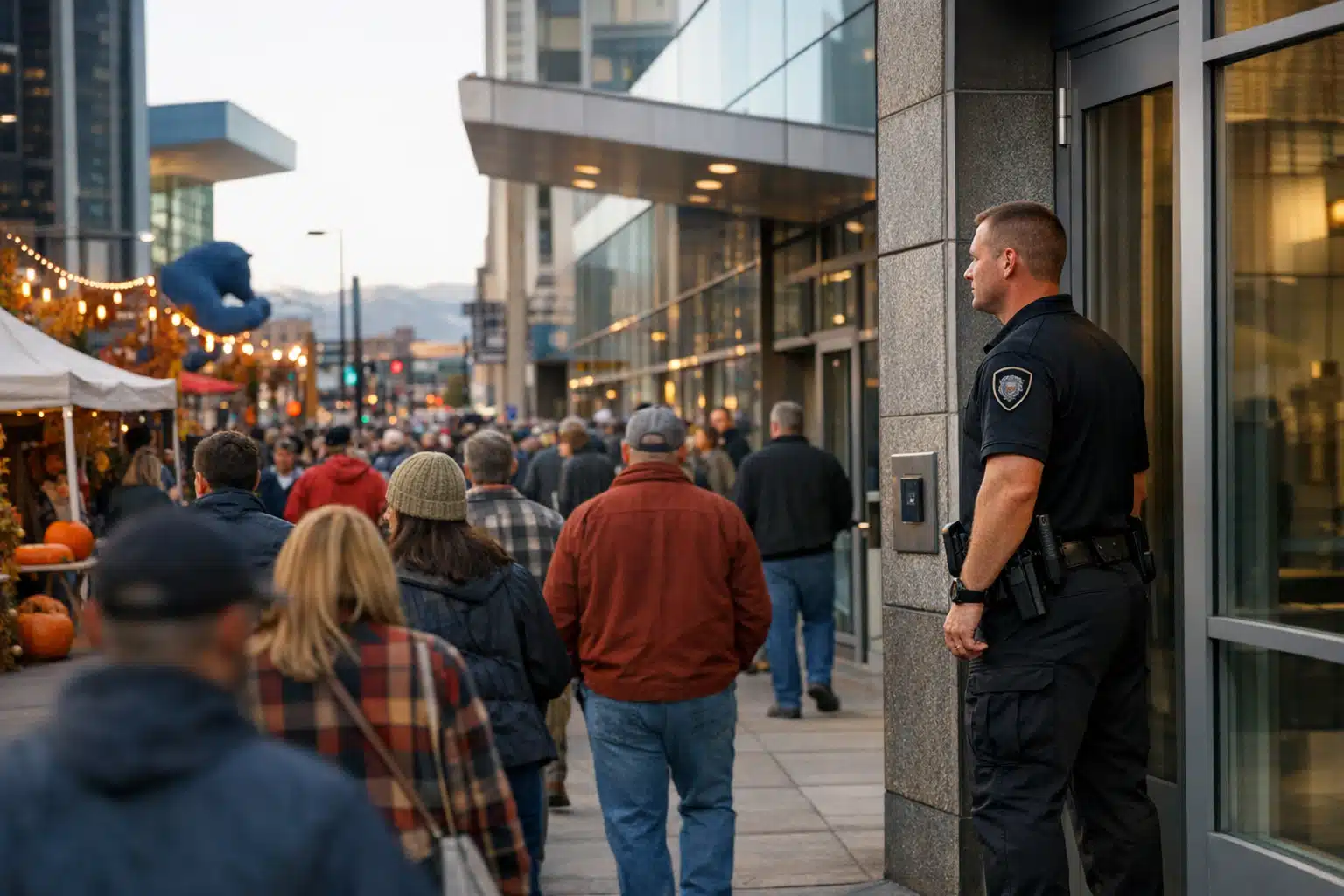
Office buildings near Denver fall festivals need increased security measures including additional lobby staff, visitor management protocols, and coordination with local law enforcement. Property managers should review access control systems, limit entry points during peak event hours, communicate building policies to tenants, and monitor surrounding areas for crowd-related issues that could affect building operations.
Fall Festivals Change the Risk Picture for Denver Office Buildings
Denver’s fall event calendar pulls thousands of extra people into downtown and surrounding neighborhoods. The Great American Beer Festival alone draws over 60,000 attendees to the Colorado Convention Center.
That foot traffic spills directly into the LoDo and Capitol Hill blocks where many offices sit. Strong office building security matters most during weeks when sidewalks, parking garages, and lobbies see unfamiliar faces.
This post breaks down the specific threats fall festivals create for Denver properties. You get practical steps property managers can apply before the next event weekend.
Why Fall Festivals Raise Office Building Security Risks in Denver
Crowds create cover. A busy sidewalk lets someone tailgate into a secured lobby without drawing attention.
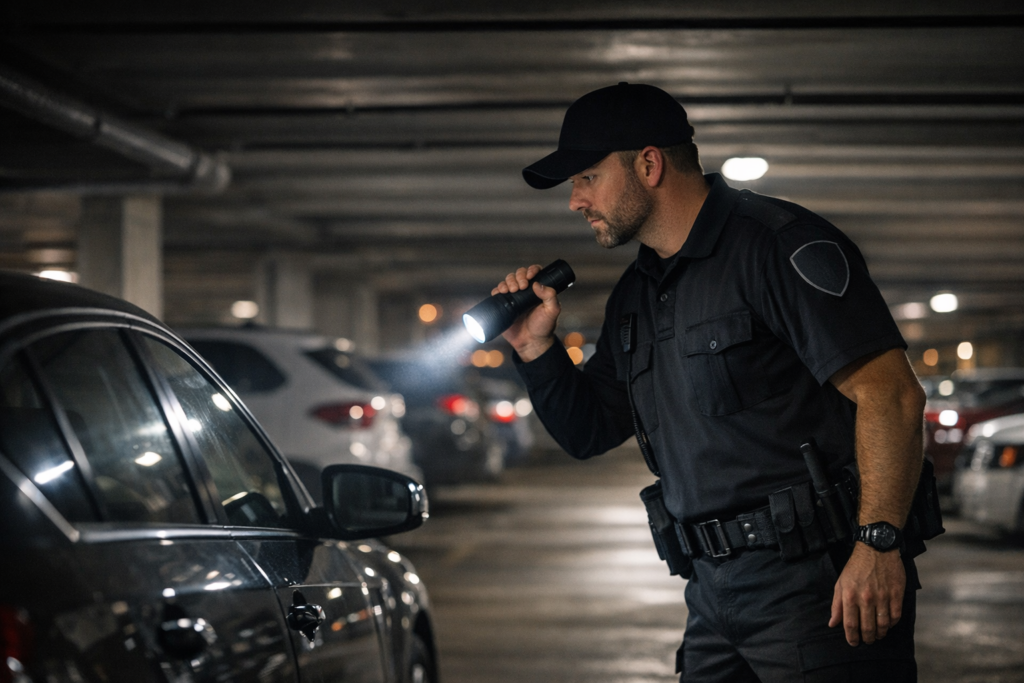
Denver property crime climbs when large events cluster downtown. Opportunistic theft, vehicle break-ins, and after-hours trespassing all rise during high-traffic weekends.
Three patterns repeat during festival season:
- Tailgating entry — unauthorized people follow staff through badge-controlled doors.
- Parking garage theft — festival parkers and criminals mix, masking break-ins.
- Lobby loitering — restrooms and warm lobbies attract people escaping Colorado’s early fall cold snaps.
Each pattern needs a different response. A single locked door rarely covers all three.
Denver Neighborhoods That Feel the Pressure Most
Not every office faces equal risk. Location near event grounds matters.
- LoDo — close to Coors Field and the Convention Center, heavy pedestrian overflow.
- Capitol Hill — street festivals and parades push crowds past ground-floor entrances.
- RiNo — art walks and brewery events extend foot traffic into late evening.
- Highlands — smaller venues still draw parking spillover into mixed-use office blocks.
Offices within three blocks of a festival footprint see the sharpest change in activity.
Steps to Protect Your Denver Office Building During Festival Weekends
Office building security during fall events works best as a layered plan. Follow these steps before the next event weekend.
- Map nearby event dates. Check the Denver event calendar and mark weekends with crowds over 10,000.
- Audit every entry point. Walk the building and test each door, garage gate, and loading dock.
- Restrict after-hours access. Set badge systems to lock non-essential doors during event hours.
- Add staffed coverage. Place a guard at the main lobby during peak festival times.
- Monitor the garage. Assign camera watch or patrols to parking levels during events.
- Brief tenants. Send a short notice reminding staff not to hold doors for strangers.
This sequence closes the gaps crowds exploit. It takes a few hours of planning for a weekend of coverage.
On-Site Guards vs. Remote Video Monitoring
Both methods protect buildings. The right mix depends on your layout and budget.
On-site guards handle direct contact. They stop tailgating, respond to loiterers, and reassure arriving tenants.
Remote video monitoring watches multiple zones at once. A trained operator can track a garage, loading dock, and rear entrance from one feed.
Many Denver offices pair the two. A lobby guard covers human interaction. Remote cameras cover the blind spots a single guard cannot reach.
How Remote Surveillance Covers Festival Blind Spots
Remote video monitoring gives small security budgets wide reach. One operator can watch zones across an entire property.
During a festival weekend, that coverage matters at odd hours. Break-ins and trespassing spike after crowds thin out near midnight.
Remote monitoring brings three advantages for festival season:
- Live intervention — operators issue voice-down warnings when someone enters a restricted zone.
- Verified alarms — Denver police respond faster to camera-confirmed activity than to unverified alerts.
- Full-night coverage — cameras hold watch after on-site staff leave.
Camera-verified response cuts wasted dispatches. It puts attention on real threats instead of false triggers.
Preparing Cameras for Early Colorado Cold
Fall in Denver brings sudden temperature drops. A 70-degree afternoon can fall below freezing by night.
Cold affects camera performance. Lenses fog, housings strain, and infrared range shortens in moisture.
Check these points before event season:
- Confirm outdoor cameras carry proper weather ratings.
- Test infrared night range after the first cold snap.
- Clear leaves and debris blocking exterior lenses.
- Verify backup power for garage and perimeter units.
A camera that fails at 20 degrees offers no protection when it matters.

 Posted on Google
Access Control That Holds Up in a Crowd
Festival foot traffic tests every door. Access control keeps the wrong people out without slowing tenants down.
Start with the main entrance. A single staffed point works better than several unmonitored doors during events.
Practical access steps for festival weekends:
- Reduce active entrances to one or two monitored doors.
- Require badge scans even during normal business hours on event days.
- Post signage directing visitors to a single check-in point.
- Log all after-hours entries during festival periods.
Fewer open doors mean fewer chances for tailgating. One controlled entrance beats five casual ones.
Coordinating With Tenants and Event Organizers
Security works better when tenants share information. A property manager who knows the event schedule plans ahead.
Ask tenants about late shifts and weekend work during festival dates. Staff staying past normal hours need clear exit and re-entry rules.
Reach out to event organizers when a festival borders your block. Knowing crowd flow and street closures helps you position guards correctly.
What Festival-Season Security Costs a Denver Office
Pricing depends on building size, coverage hours, and the mix of guards and cameras. Honest numbers help you plan a budget.
Three factors drive the cost:
- Coverage hours — weekend and overnight shifts run higher than weekday hours.
- Zone count — more entrances and garage levels need more cameras or patrols.
- Response level — live monitoring with voice-down costs more than passive recording.
A short festival-season contract often costs less than one break-in or vandalism cleanup. Targeted coverage for peak weekends controls spending.
Build Your Denver Festival Security Plan Now
Fall festivals bring crowds that test every weak point in a building. Layered coverage, careful access control, and weather-ready cameras close those gaps. Early planning beats reacting after an incident.
Twin City Security Denver helps property managers protect offices during high-traffic event weekends. Call 303‑574‑0000 or email Denver@TwinCitySecurity.com for a Denver security assessment or monitoring quote.
Sources
- Denver Police Department – Crime and Safety Resources
- Great American Beer Festival – Official Event Information
- Visit Denver – Denver Events Calendar
Fall festivals in Denver bring large crowds that increase security risks for nearby office buildings, including tailgating, parking garage theft, and lobby loitering. Property managers can protect their buildings through layered security plans combining access control, on-site guards, and remote video monitoring.
- The Great American Beer Festival draws over 60,000 people to downtown Denver, with foot traffic spilling into LoDo and Capitol Hill where many offices are located. Offices within three blocks of festival grounds see the sharpest increase in activity.
- Property managers should map event dates, audit entry points, restrict after-hours access, add staffed lobby coverage, and brief tenants not to hold doors for strangers. Reducing active entrances to one or two monitored doors helps prevent tailgating.
- Remote video monitoring offers live intervention, verified alarms for faster police response, and full-night coverage after on-site staff leave. Cameras should be checked for cold weather readiness since fall temperatures can drop below freezing overnight.


