

How to Protect Denver’s Outdoor Dining Areas From Vandalism This Summer
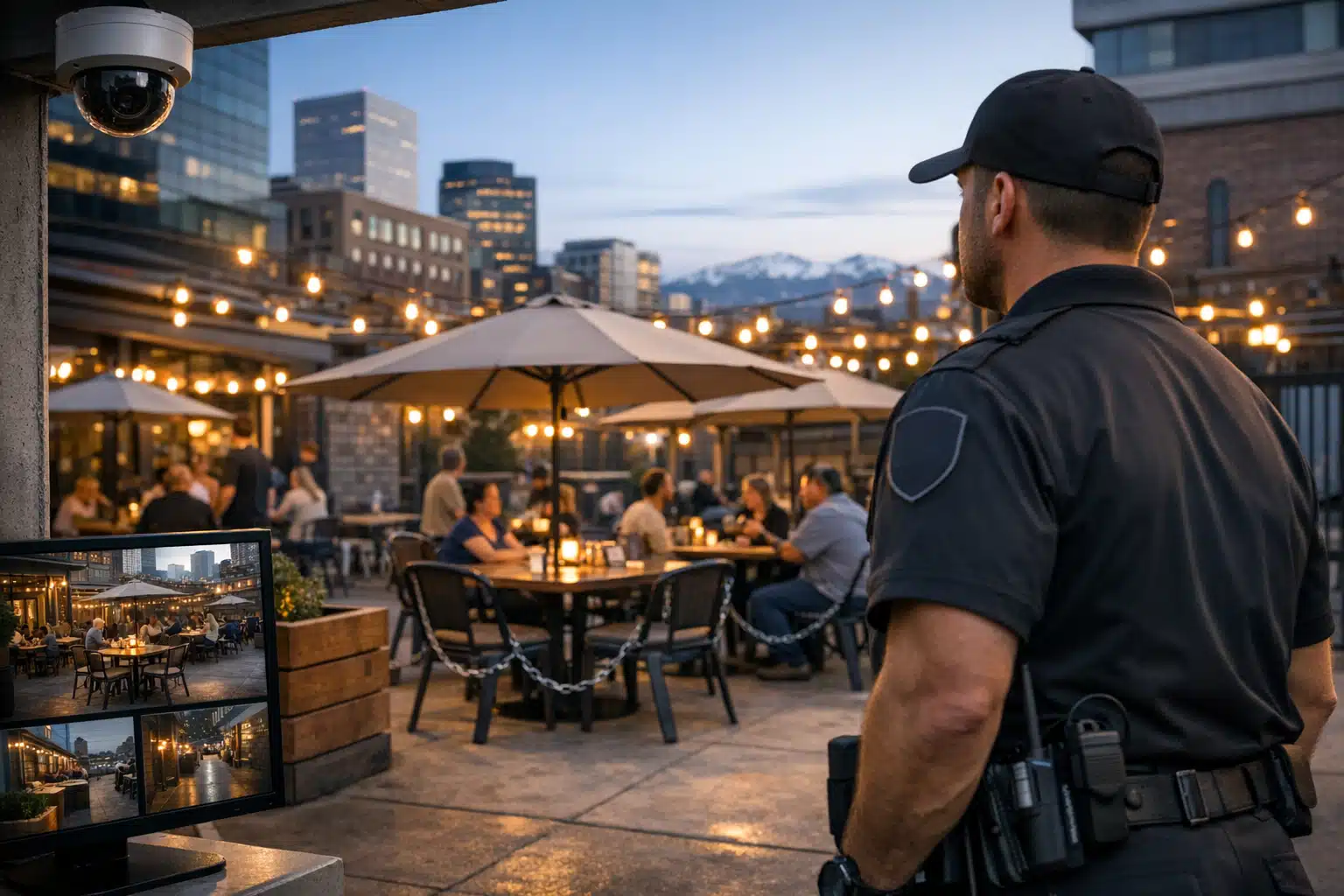
Protect outdoor dining areas by installing motion-activated lighting and security cameras to deter criminals. Use tamper-resistant furniture anchors and lockable storage for movable items overnight. Consider protective barriers or retractable enclosures, and work with local police on regular patrol routes. Building relationships with neighboring businesses also helps create a watchful community presence.
Denver Patios Face More Risk Than Owners Realize
Denver saw thousands of property crime reports during warm-weather months in recent years, and patios sit right in the crosshairs. Outdoor dining setups stay exposed overnight, unguarded and easy to reach.
Outdoor dining security matters most from May to September, when restaurants expand onto sidewalks and parking lots. Broken umbrellas, tagged fencing, and stolen furniture cost Denver operators real money each season.
This post breaks down what causes patio vandalism in Denver and how to stop it. You get concrete steps built from field work across LoDo, RiNo, and Capitol Hill.
Why Denver Outdoor Dining Areas Attract Vandalism
Outdoor dining spaces stay open to the street long after staff leave. That access window is when most damage happens.
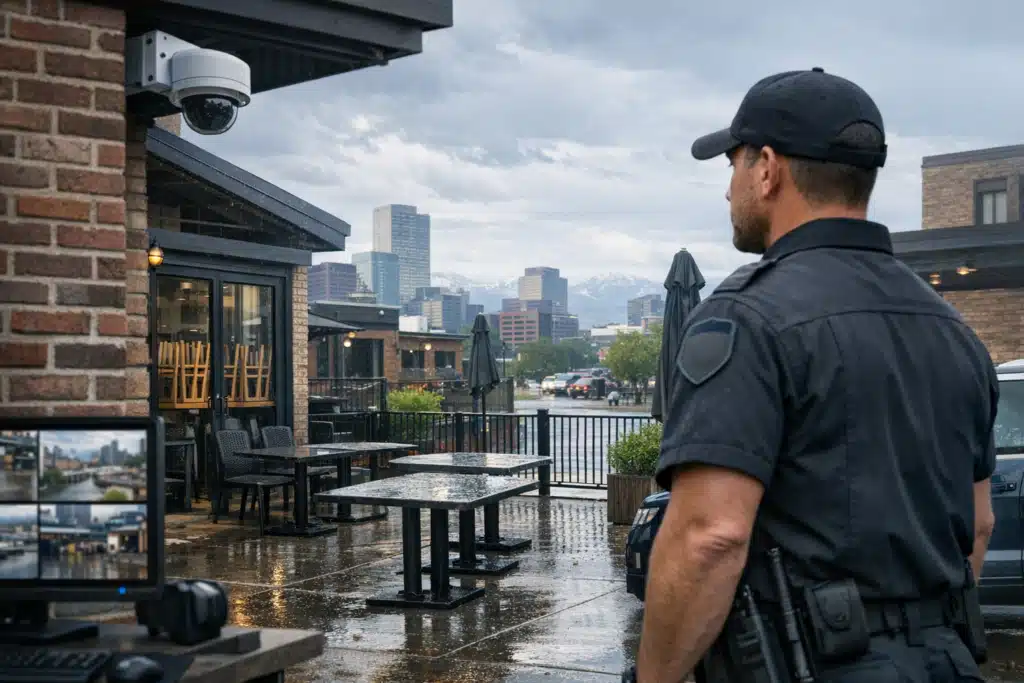
Three patterns drive patio incidents across Denver neighborhoods:
- After-hours foot traffic near bar districts like LoDo and Larimer Square peaks between 1 a.m. and 4 a.m.
- Graffiti targeting hits fabric barriers, planters, and painted railings along RiNo’s mural corridors.
- Furniture theft spikes when tables and heaters are left unsecured overnight.
Summer weekends bring the highest volume. Late crowds, warm nights, and empty patios create easy targets.
The Weather Angle Most Owners Miss
Denver’s afternoon thunderstorms roll in fast during July and August. Owners who rush to close often leave patios half-secured.
Loose chairs and umbrellas left out become both storm hazards and theft targets. A quick evening routine prevents both problems at once.
Outdoor Dining Security Starts With Physical Layout
Vandalism prevention begins before you hire anyone. Your patio design either invites trouble or blocks it.
Follow these layout steps to reduce risk:
- Anchor everything you can. Bolt heaters, planters, and large tables to the ground or a rail.
- Store loose items nightly. Stack chairs indoors or chain them to a fixed point.
- Remove blind spots. Trim landscaping and reposition barriers that hide corners from the street.
- Use damage-resistant materials. Metal mesh fencing beats fabric on high-traffic blocks.
Anti-graffiti coatings help on brick and metal surfaces. Taggers move on when their work wipes off in minutes.
Lighting Does More Than You Think
Dark patios read as invitations. Bright, even lighting removes that cover.
Install motion-activated fixtures at every entry point. Sudden light startles intruders and flags activity for cameras.
Aim for coverage with no shadowed pockets. Corners near dumpsters and side alleys need the most attention.
Remote Video Surveillance for Denver Restaurants
Remote monitoring gives Denver patios coverage when staff go home. Cameras watch, and trained operators respond in real time.
This differs from basic recording setups. A standard DVR only shows you damage after it happens.
Live remote surveillance from Twin City Security Denver works differently:
- Operators watch feeds in real time during overnight hours.
- Voice-down speakers let staff warn trespassers directly from the monitoring center.
- Verified alerts reach police faster than unconfirmed alarm calls.
Voice warnings alone stop most patio intrusions. People scatter when a live voice calls them out by description.
Camera Placement That Actually Works
Poor angles waste good equipment. Place cameras to capture faces, not just the tops of heads.
Mount units at entry points and cash-handling stations. Cover the full patio perimeter and any street-facing fence line.
Denver’s low winter sun and summer glare affect image clarity. Cameras with wide dynamic range handle harsh Colorado light better.
When Denver Patios Need On-Site Security Guards
Some locations need a human presence, not just cameras. High-volume bar districts top that list.
On-site guards make sense when:
- Your patio sits in a late-night zone like LoDo or Capitol Hill.
- You host events with alcohol and large crowds.
- Repeat vandalism has already hit your location.
- Cash and inventory stay on-site overnight.
Guards handle situations cameras cannot. They calm disputes, manage crowd flow, and escort staff to vehicles after close.
Pairing Guards With Remote Monitoring
Many Denver operators mix both approaches. A guard covers peak hours, and remote surveillance takes over overnight.
This keeps costs down without leaving gaps. You pay for a live guard only during your highest-risk window.

 Posted on Google
A Summer Vandalism Prevention Checklist for Denver Owners
Use this routine to protect your patio each night:
- Secure or store all loose furniture before staff leave.
- Confirm every light works and covers dark corners.
- Check camera feeds for clear angles and no obstructions.
- Lock gates and chain fixed items.
- Clear the patio of cash boxes and valuables.
- Report new graffiti fast to discourage repeat tagging.
Consistency beats any single tool. A patio locked the same way every night trains would-be vandals to look elsewhere.
Coordinate With Your Neighbors
Denver business districts fare better when owners share information. Group texts about suspicious activity spread warnings fast.
Some blocks in RiNo and the Highlands pool funds for shared patrols. Split costs mean stronger coverage for everyone.
What Patio Protection Costs in Denver
Pricing depends on your setup and risk level. A small café patio needs less than a full bar block.
Three main variables drive cost:
- Coverage hours — overnight-only runs cheaper than round-the-clock.
- Method — remote monitoring costs less than a full-time on-site guard.
- Site size — more cameras and entry points raise the total.
A site assessment gives you real numbers, not guesses. Twin City Security Denver reviews your patio and quotes based on actual layout.
Protect Your Denver Patio Before the Next Weekend
Summer vandalism hits Denver patios hardest during late-night hours and storm rushes. Smart layout, strong lighting, and live monitoring stop most incidents before they start. On-site guards close the gap in high-traffic districts.
Twin City Security Denver builds patio protection plans around your specific block and hours. Call 303‑574‑0000 or email Denver@TwinCitySecurity.com for a Denver security assessment and monitoring quote.
Sources
- Denver Police Department – Crime Information and Statistics
- International CPTED Association – Crime Prevention Through Environmental Design
- National Weather Service – Denver/Boulder Forecast Office
Denver patios face high vandalism risk during summer months, with outdoor dining setups left exposed overnight becoming easy targets for theft, graffiti, and damage. Smart layout design, proper lighting, and live remote monitoring can prevent most incidents.
- Property crime peaks from May to September when restaurants expand outdoors. After-hours foot traffic in bar districts like LoDo creates the highest risk between 1 a.m. and 4 a.m.
- Physical prevention includes anchoring furniture, storing loose items nightly, removing blind spots, and using damage-resistant materials with anti-graffiti coatings.
- Remote video surveillance with live operators and voice-down speakers stops most intrusions, while on-site guards work best for high-volume locations or venues with repeat vandalism.


