

What Denver’s Increasing Urban Development Means for Security Needs
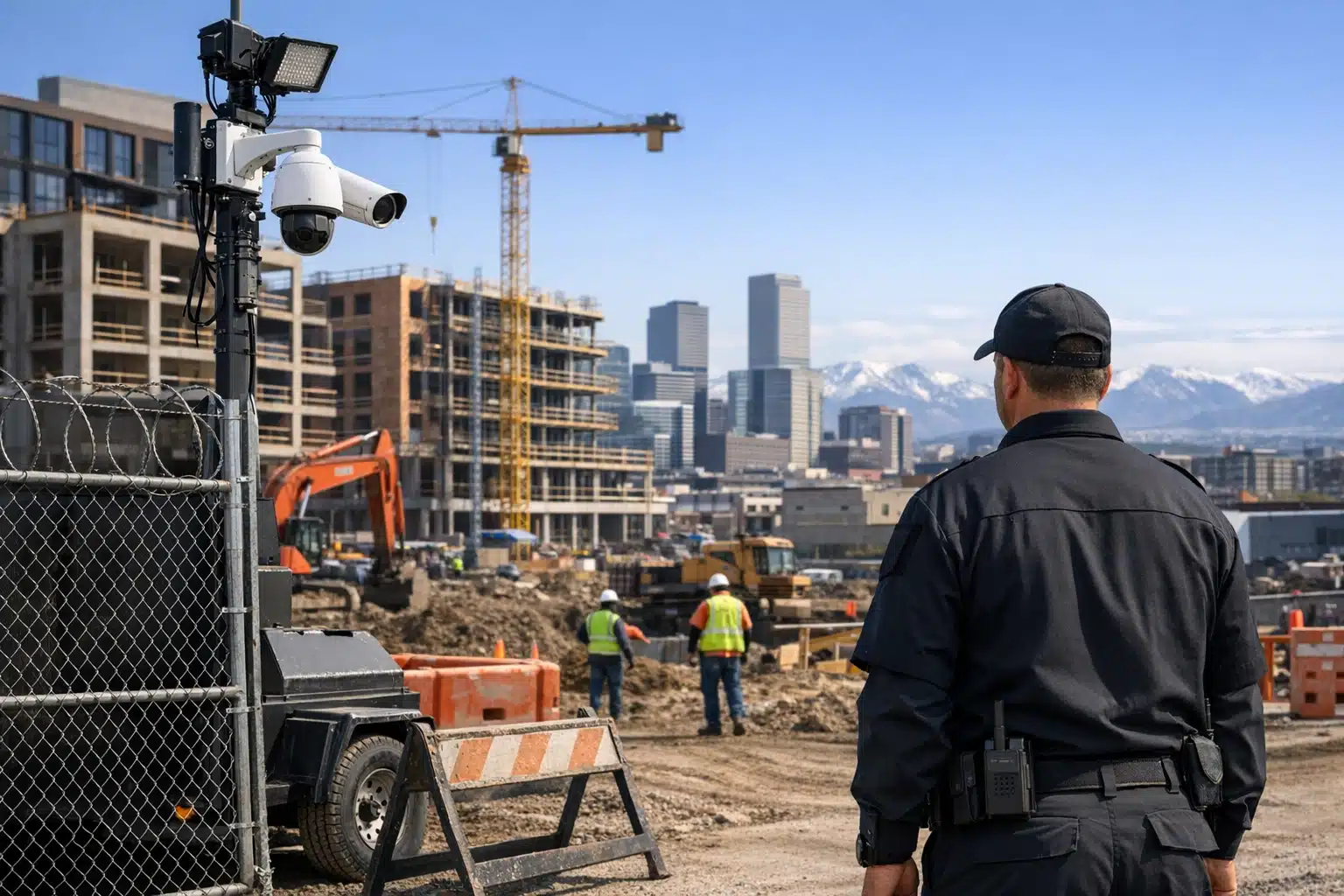
Denver added 18,000 new residents in 2023, driving construction projects from RiNo to Stapleton that create new security vulnerabilities. This rapid urban development security challenge affects business owners, property managers, and developers across the metro area.
Growing cities face different risks than stable neighborhoods. New construction sites attract theft. Mixed-use developments blur property boundaries. Transit expansions shift foot traffic patterns.
How Urban Development Security Differs from Traditional Protection
Traditional security models assume stable environments with known risks. Urban development creates fluid situations where threats change monthly.
Construction phase vulnerabilities include copper wire theft, equipment vandalism, and trespassing incidents. These risks peak during foundation and electrical work phases when valuable materials sit exposed overnight.
Mixed-use projects in areas like LoDo combine residential, retail, and office spaces. Each tenant type brings different security needs and access requirements.
Temporary vs. Permanent Security Infrastructure
Development sites need adaptable security that grows with each construction phase. Remote video surveillance works better than fixed guard stations during early construction.
Permanent buildings require integrated access control systems. Temporary sites need mobile monitoring units that relocate as work zones shift.
Denver Growth Patterns and Their Security Implications
Denver’s development follows predictable patterns that create specific security challenges. Understanding these patterns helps property owners prepare.
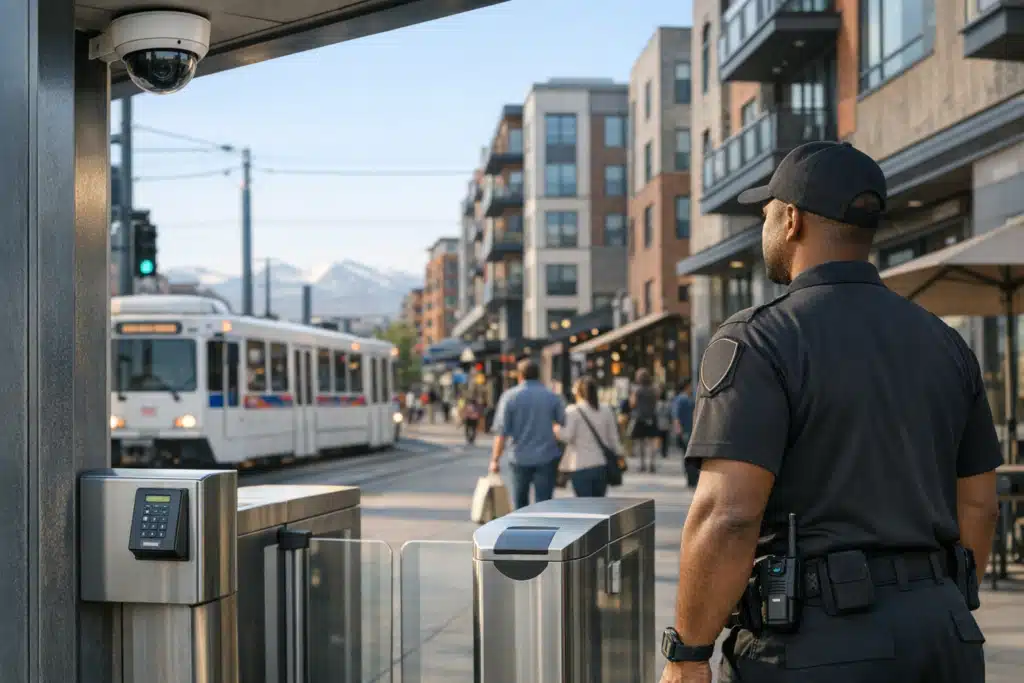
Transit-oriented development around light rail stations increases foot traffic but creates more entry points to secure. The A-Line expansion brought new mixed-use projects to areas with limited existing security infrastructure.
Neighborhood-Specific Development Risks
Different Denver areas face distinct security challenges during development:
- RiNo: Industrial conversion projects have large, open spaces difficult to monitor completely
- Capitol Hill: Infill development creates narrow construction sites with street-level access
- Stapleton: Master-planned communities need perimeter security for entire developments
- Aurora: Commercial strip redevelopment requires retail-specific security planning
Construction Site Security During Urban Development
Active construction sites face theft rates 400% higher than completed buildings. Denver’s construction season runs March through October, creating predictable risk windows.
Remote monitoring catches 87% of after-hours incidents compared to 34% detection rates from periodic security patrols. Construction sites need 24/7 coverage during material delivery periods.
Phased Security Planning for Development Projects
Security needs change as construction progresses through distinct phases:
- Site preparation: Perimeter monitoring prevents dumping and unauthorized access
- Foundation work: Equipment protection becomes priority as machinery arrives
- Structural phase: Material theft prevention, especially copper and steel components
- Interior buildout: Access control installation and testing
- Pre-occupancy: Transition to permanent security systems
Mixed-Use Development Security Challenges
Mixed-use buildings combine residential, retail, and office spaces with different operating hours and access needs. Ground-floor retail stays open until 9 PM while office workers leave by 6 PM and residents need 24/7 access.
Cannabis dispensaries in mixed-use developments require specialized security that meets state compliance without disrupting other tenants. Colorado regulations mandate specific surveillance coverage and access logging.
Managing Multiple Tenant Security Requirements
Retail tenants need public access during business hours. Office tenants require controlled access. Residential units need private entry systems.
Centralized monitoring systems track all zones while maintaining separate access credentials for each tenant type. Property managers can adjust security levels based on occupancy patterns and seasonal changes.
Technology Integration in Developing Urban Areas
New developments can install modern security infrastructure from the start. Fiber optic networks support high-definition cameras and real-time monitoring.
Cloud-based access control systems scale easily as new tenants move in. Property managers add users and adjust permissions remotely without site visits.
Remote Monitoring Advantages for New Construction
Remote surveillance systems provide coverage before permanent security staff arrive. Cameras with night vision and motion detection work effectively in partially completed buildings.
Mobile monitoring units relocate as construction zones shift. Solar-powered systems work independently of building electrical connections.

 Posted on Google
Cannabis Facility Security in Urban Development Zones
Cannabis businesses often locate in redeveloping areas where property costs remain manageable. These locations frequently lack established security infrastructure.
Colorado requires specific surveillance coverage for cannabis facilities including all entry points, storage areas, and sales floors. New buildings can integrate these requirements during construction rather than retrofitting.
Compliance Requirements for Cannabis Development
Cannabis facility security must meet state tracking requirements and local zoning restrictions. Many developing areas have limited cannabis business zoning, making location selection challenging.
Security systems need state-approved monitoring and recording capabilities. Remote monitoring helps meet compliance requirements while reducing on-site staffing costs.
Event Venue Security in Developing Areas
New entertainment districts like the River North Art District host events in converted industrial spaces. These venues need flexible security that adapts to different event types.
Temporary event permits require specific security plans including crowd control and emergency evacuation procedures. Remote monitoring supplements on-site staff during large events.
Scalable Security for Variable Occupancy
Event venues alternate between empty periods and high-capacity events. Security systems must handle both scenarios effectively.
Camera systems with crowd analytics detect overcrowding before safety issues develop. Access control systems manage guest entry and restrict access to staff areas.
Planning Security During the Development Process
Security planning should begin during the design phase rather than after construction completion. Early planning reduces costs and improves effectiveness.
Architects can integrate camera mounting points and wiring pathways during initial design. This approach costs 60% less than retrofitting security systems after construction.
Timeline for Security Implementation
Effective security implementation follows this timeline:
- Design phase: Plan camera locations and access control points
- Construction start: Install temporary perimeter monitoring
- Rough-in phase: Run security system wiring and network connections
- Pre-occupancy: Install permanent cameras and access control hardware
- Occupancy: Train users and establish monitoring protocols
Cost Considerations for Urban Development Security
Security costs for developing properties vary based on project size and complexity. Construction site monitoring typically costs $200-500 per month per camera location.
Permanent security systems require higher upfront investment but lower ongoing costs. Remote monitoring reduces guard labor costs by 40-60% compared to full-time on-site security.
Return on Investment for Development Security
Property insurance premiums decrease 10-25% with documented security systems. Theft prevention saves construction projects an average of $15,000-50,000 in replacement costs and delays.
Cannabis facilities see immediate ROI from compliance-focused security systems that prevent regulatory violations and potential license suspension.
Denver’s urban development creates new security challenges that require specialized planning and flexible systems. Construction sites, mixed-use buildings, and developing entertainment districts each need different approaches to protection.
Property owners and developers benefit from security planning that starts during the design phase and adapts as projects progress to completion.
Contact Twin City Security Denver at 303-574-0000 or Denver@TwinCitySecurity.com for security assessments tailored to your Denver development project’s specific needs and timeline.


