

Ensuring Safe Construction Sites in Denver’s High-Wind Areas
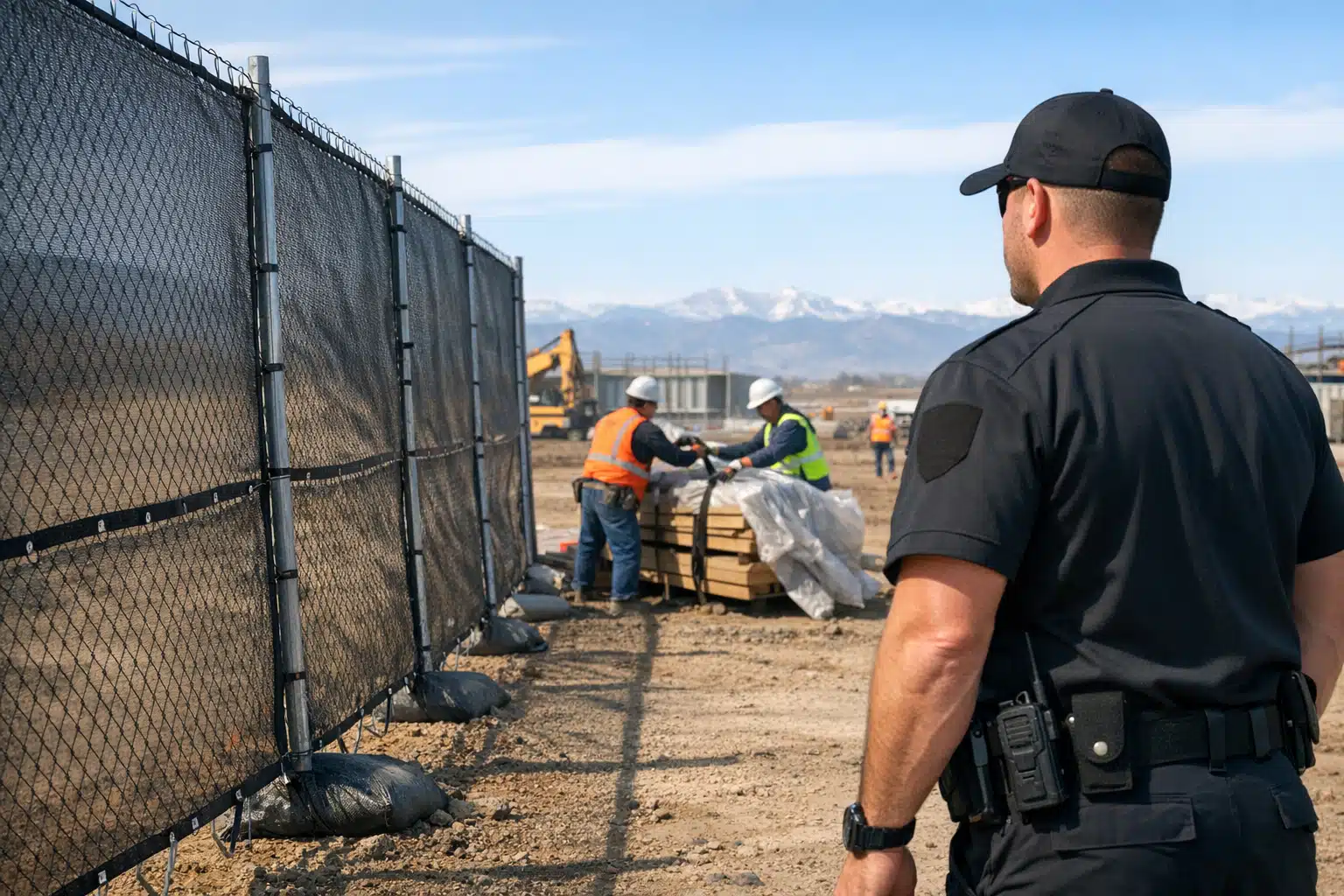
To maintain safe construction sites during Denver's high winds, secure all loose materials and debris daily, install proper wind barriers around scaffolding, and anchor temporary structures. Monitor weather forecasts for Chinook events that bring gusts over 60 mph. Suspend crane operations and outdoor work at elevated heights when wind speeds exceed safe thresholds established by OSHA guidelines.
Why Denver’s High-Wind Areas Change the Construction Security Equation
Denver sees wind gusts topping 60 mph during Chinook events along the Front Range. These downslope winds hit construction sites in Green Valley Ranch, Aurora, and the eastern plains hardest.
Construction security in these areas means planning for two threats at once: theft and wind damage. High winds scatter materials, topple fencing, and knock out camera feeds when you need them most.
This post covers how to protect Denver construction sites from both criminals and weather. You get practical steps, local specifics, and a clear picture of what wind-ready monitoring looks like.
How High Winds Create Security Gaps on Denver Job Sites
Wind does not just damage property. It creates openings that thieves exploit.

Downed Fencing Invites Trespassers
Standard chain-link panels with sandbag bases fail in 50 mph gusts. Once a panel drops, your perimeter is open.
Copper thieves and equipment scrappers watch for storm damage. A collapsed fence in a quiet area like the eastern DIA corridor becomes an easy target overnight.
Wind Noise Masks Break-Ins
Loud sustained wind covers the sound of forced entry, cut locks, and moving vehicles. On-site personnel and neighbors miss audio cues they would normally catch.
Camera Shake Ruins Footage
Poorly mounted cameras vibrate in high wind. The result is blurred, useless footage exactly when an incident occurs.
Wind-related camera failure is one of the most common gaps we find during Denver site assessments.
Steps to Protect Your Denver Construction Site in High Winds
To secure a Denver construction site against wind and theft, follow these steps:
- Install wind-rated perimeter fencing. Use driven-post or concrete-block bases instead of sandbags in known gust corridors.
- Anchor cameras to fixed structures. Mount units on poured footings or building steel, not on temporary poles.
- Secure loose materials daily. Strap lumber, banding, and lightweight sheeting before crews leave each evening.
- Add backup power and cellular failover. Wind-driven outages should not blind your monitoring feed.
- Schedule remote monitoring around storm forecasts. Increase watch frequency when the National Weather Service issues wind advisories.
Each step reduces both physical loss and the theft window that wind damage opens.
Why Denver Construction Sites Need 24/7 Remote Monitoring
Remote video monitoring watches your site when winds make on-foot patrols risky. Guards stay safe indoors while cameras and operators cover the perimeter.
Live Operators Catch Problems in Real Time
Trained operators spot a downed fence panel or an intruder and respond at once. They can trigger voice-down warnings, call police, and dispatch a patrol.
Monitoring Fills Overnight and Weekend Gaps
Most construction theft in the Denver metro happens after hours. Sites in Commerce City and along the I-70 corridor sit empty and dark for long stretches.
Remote monitoring turns those empty hours into covered hours without the cost of full overnight guard staffing.
Verified Alarms Get Faster Police Response
Denver police prioritize verified alarms over unconfirmed motion triggers. A live operator who confirms an active intruder moves your call up the queue.
High-Wind Safety Meets Site Security: A Combined Plan
High-wind safety and theft prevention overlap more than most site managers plan for. Both depend on a secured perimeter, protected equipment, and reliable visibility.
A single wind event can trigger material loss, equipment theft, and OSHA-reportable hazards in one night. Planning for wind protects your crew and your budget together.
What a Wind-Ready Security Setup Includes
- Ground-anchored camera towers that hold steady in Front Range gusts
- Reinforced access gates that latch securely against wind pressure
- Solar and battery backup for power continuity during outages
- Motion analytics tuned to ignore blowing debris and flag real threats
Debris-triggered false alarms waste operator attention. Proper analytics tuning keeps focus on people and vehicles, not tumbleweeds.

 Posted on Google
Denver Neighborhood and Seasonal Considerations
Wind risk varies across the metro. Knowing your zone shapes your security plan.
Front Range and Foothills Sites
Projects near the foothills west of Golden and along the 470 corridor face strong downslope Chinook winds. Fencing and camera anchoring matter most here.
Open Eastern Plains Sites
Developments near DIA, Green Valley Ranch, and Aurora sit on exposed flat ground. Nothing breaks the wind, and material scatter is common.
Winter and Spring Wind Peaks
Front Range winds spike in late winter and early spring. March storms combine snow, wind, and low visibility that hide site activity.
Plan your strongest monitoring coverage for January through April.
What Construction Security Costs in the Denver Metro
Pricing depends on site size, camera count, and monitoring hours. A few points help you budget realistically.
- Remote monitoring costs less than round-the-clock on-site guards for most sites.
- Combined coverage pairs daytime guard patrols with overnight remote monitoring.
- Wind-rated equipment carries higher upfront setup but prevents repeat storm losses.
A single stolen skid steer or copper haul often exceeds a full season of monitoring costs. Prevention pays for itself fast on active Denver projects.
How Twin City Security Denver Approaches Wind-Prone Sites
Our team assesses each Denver site for both crime exposure and wind risk. We map gust corridors, camera sightlines, and perimeter weak points before installation.
We place cameras where wind will not shake them and where blind spots stay covered. Live operators track your site overnight and during severe weather advisories.
Local knowledge matters here. A team that understands Front Range wind patterns builds a stronger plan than a generic national provider.
Conclusion
Denver construction sites in high-wind zones face theft and weather threats at the same time. Wind-rated fencing, anchored cameras, and 24/7 remote monitoring close the gaps that gusts create.
Twin City Security Denver builds site plans around Front Range wind patterns and local crime data. Call 303‑574‑0000, email Denver@TwinCitySecurity.com, or visit https://www.twincitysecuritydenver.com for a Denver construction site assessment.
Sources
- National Weather Service – Denver/Boulder Forecast Office
- OSHA – Wind Hazards and Winter Weather Safety
- National Insurance Crime Bureau – Equipment Theft Report
Twin City Security Denver explains how high winds in the Denver metro area create security vulnerabilities at construction sites, combining theft risks with weather damage. The company outlines practical steps for wind-ready monitoring and site protection.
- Chinook winds topping 60 mph can topple fencing, scatter materials, and disable cameras - creating openings that thieves exploit during storms and overnight hours.
- Wind-rated perimeter fencing with driven-post bases, anchored cameras on fixed structures, and backup power systems help prevent both physical loss and security gaps.
- Remote video monitoring with live operators provides coverage during high-wind events when on-foot patrols are risky, and verified alarms receive faster police response in Denver.


