

Understanding Remote Guarding & When Denver Clients Should Use It | Smart, Cost-Effective Security Solutions for Businesses
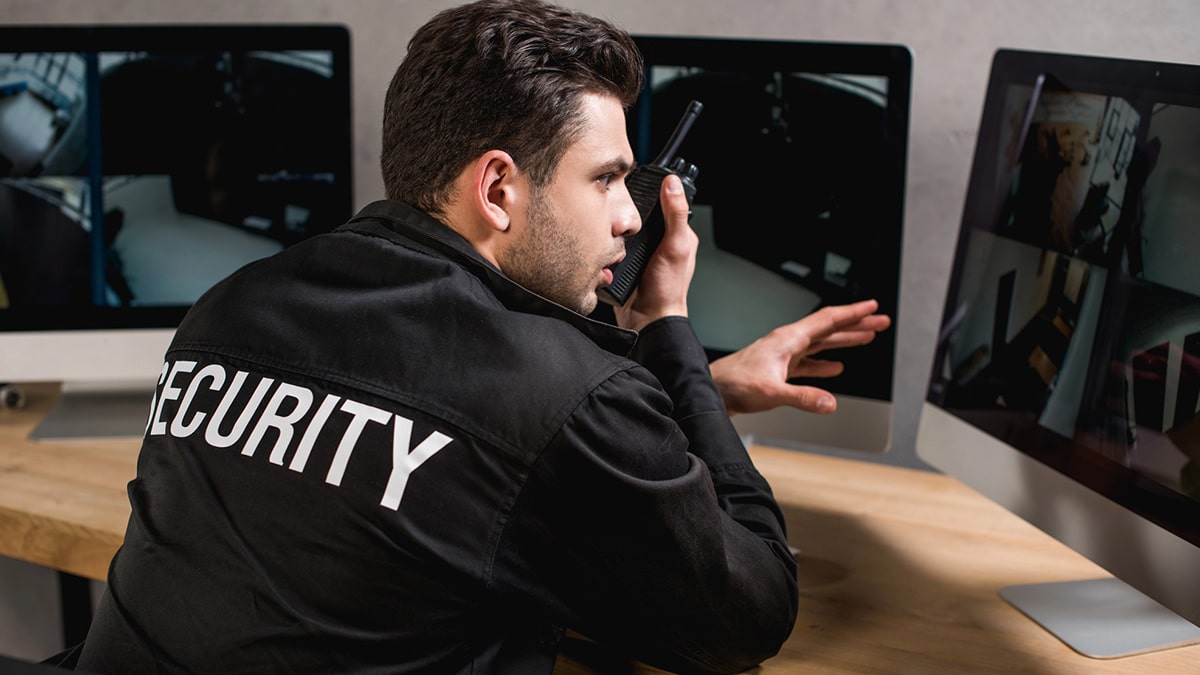
Remote guarding is a security solution that integrates AI-powered surveillance technology with live professional monitoring. This approach offers continuous protection for businesses while eliminating the expenses associated with on-site security personnel, making it a smart and cost-effective choice for clients in Denver.
What Is Remote Guarding & How Does It Work?
Remote guarding combines AI-powered surveillance technology with professional live monitoring to provide continuous protection without the cost of on-site guards.
Key Components of Remote Guarding Systems:
- High-definition cameras covering entrances, parking lots, warehouses, and open areas
- Motion detection sensors identify unusual or suspicious activity
- AI analytics to flag potential threats instantly
- Two-way audio systems to warn intruders and communicate with on-site personnel
- Centralized command centers staffed by trained security professionals
- Secure video storage for insurance, compliance, and law enforcement documentation
How It Works:
- Cameras and sensors capture activity in real time
- AI-powered software analyzes patterns and detects anomalies
- The monitoring team reviews alerts immediately and determines the appropriate response
- Operators issue live voice warnings or contact law enforcement for rapid intervention
Why Denver Businesses Are Choosing Remote Guarding
Remote guarding provides cost-effective, scalable, and reliable security for Denver commercial properties.
Benefits for Businesses:
- Reduced operational costs: One monitoring team can oversee multiple sites simultaneously
- 24/7 coverage: Continuous protection, especially during nights and weekends
- Rapid threat detection: AI analytics and live operators respond instantly to suspicious activity
- Scalable systems: Add cameras or properties with minimal infrastructure changes
- Industry versatility: Protects construction sites, warehouses, retail stores, office buildings, and more
When Should You Use Remote Guarding?
Remote guarding is ideal for properties with multiple entry points, high-value assets, or high-risk hours.
Use Cases:
- Construction sites with tools, equipment, and materials
- Warehouses storing valuable inventory
- Retail stores needing overnight protection
- Office buildings require employee and visitor safety
- Temporary events or seasonal monitoring needs
Typical Remote Guarding System Includes:
- AI-powered surveillance cameras
- Motion detection sensors
- Two-way audio communication systems
- Centralized monitoring by trained security professionals
Advantages:
- Real-time intervention reduces response times
- Scalable to match risk level, operating hours, and seasonal activity
- Continuous oversight ensures regulatory compliance and insurance requirements
Remote Guarding vs. Traditional Security Guards
Understanding the differences helps organizations design an effective hybrid security strategy.
Key Differences:
- Cost Efficiency: Avoid payroll, benefits, and overtime of full-time on-site staff
- Comprehensive Coverage: Monitor entrances, parking lots, and restricted zones simultaneously
- Faster Response: Operators verify threats instantly and issue voice warnings or contact authorities
- Hybrid Approach: Combine remote monitoring with on-site guards for human interaction and immediate physical presence
Tasks for On-Site Guards in a Hybrid Model:
- Greeting visitors and verifying credentials
- Managing access control checkpoints
- Responding to medical or safety incidents
- Handling in-person disturbances
Benefits of a Layered Security Approach:
- Continuous surveillance coverage across multiple sites
- Improved incident documentation
- Enhanced property protection and risk management
Why Many Businesses Combine Both Solutions
For many organizations, the most effective approach is a hybrid security model. Remote guarding monitors building perimeters, secondary entrances, parking structures, and exterior zones around the clock. Meanwhile, on-site personnel manage responsibilities that require physical presence, such as:
- Greeting visitors and verifying credentials
- Managing access control checkpoints
- Responding to medical incidents
- Handling in-person disturbances
This integrated strategy delivers continuous surveillance coverage while preserving the human interaction and immediate physical intervention that some situations require.
By aligning technology with trained security staff, businesses achieve layered protection that strengthens risk management, improves incident documentation, and enhances overall property safety.
Remote guarding offers Denver businesses a cost-effective security solution by combining AI-driven surveillance with professional monitoring. This system provides continuous protection without the need for on-site guards, making it ideal for various commercial properties.
- Remote guarding uses high-definition cameras and motion sensors for real-time monitoring. AI analytics help detect threats quickly, allowing for immediate responses.
- Businesses benefit from reduced costs and scalable systems that can cover multiple sites simultaneously.
- This approach is particularly useful for properties with high-value assets or multiple entry points, ensuring safety during high-risk hours.
