

Outdoor Surveillance: Enhancing Security for Denver’s Springtime Activities
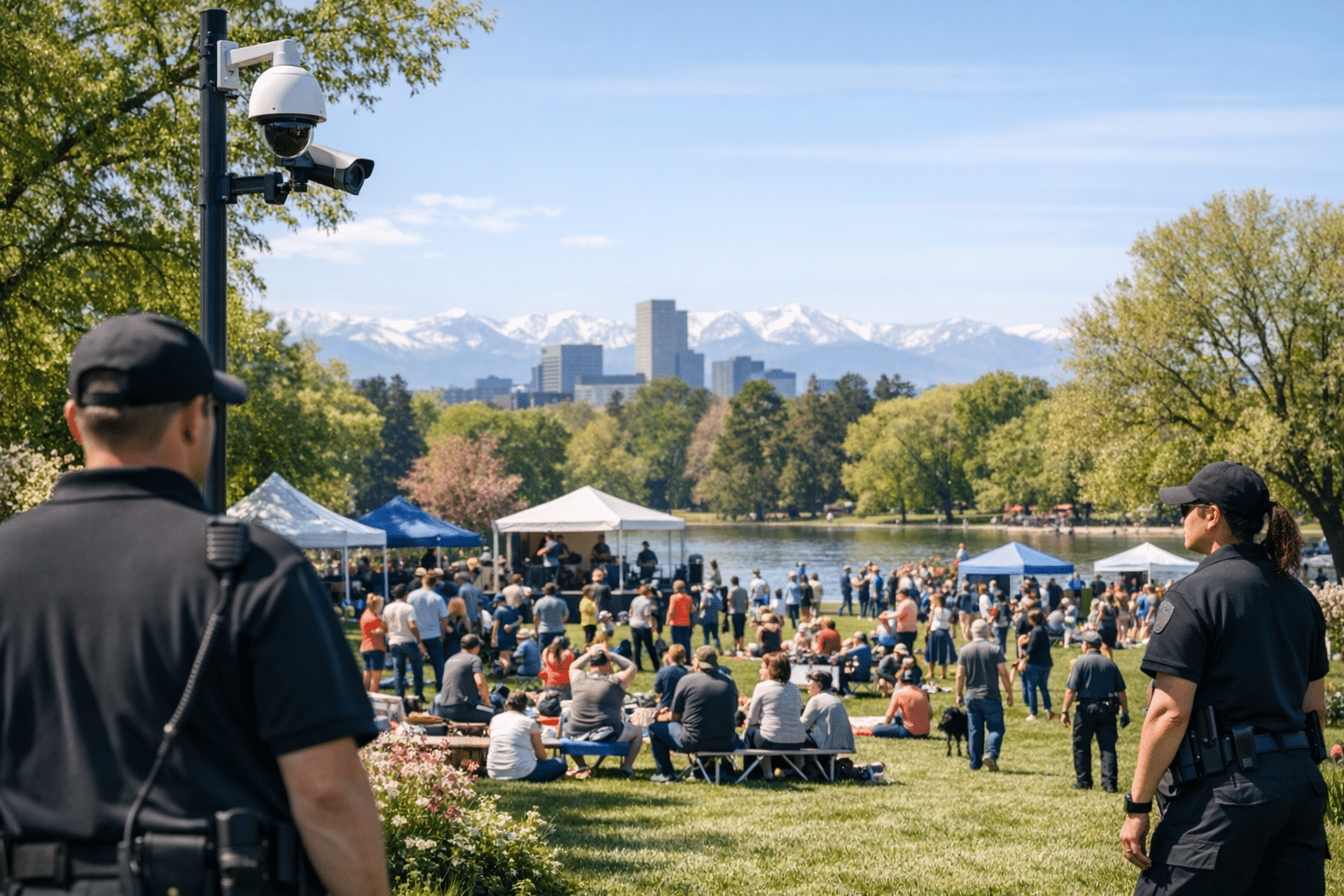
Outdoor surveillance systems protect Denver's busy spring events by monitoring parks, venues, and public spaces where gatherings increase significantly from March through May. Security cameras help event organizers and property managers oversee corporate picnics, wedding receptions, concerts, and festivals at popular locations like Washington Park, Cheesman Park, and entertainment districts in RiNo and the Highlands.
Denver’s Spring Security Challenge
Denver experiences a 47% increase in outdoor events from March through May as residents emerge from winter hibernation. Parks like Washington Park and Cheesman Park host everything from corporate picnics to wedding receptions. Meanwhile, outdoor venues in RiNo and the Highlands schedule concerts and festivals.
This surge in spring activities creates new security vulnerabilities. Outdoor surveillance becomes critical for protecting attendees, equipment, and property during Denver’s busiest event season.
Property managers and event coordinators need comprehensive monitoring solutions that work reliably in Colorado’s unpredictable spring weather conditions.
Why Outdoor Surveillance Matters for Denver Spring Activities
Denver’s outdoor event season brings unique security challenges that indoor venues never face.
Weather Resistance Requirements
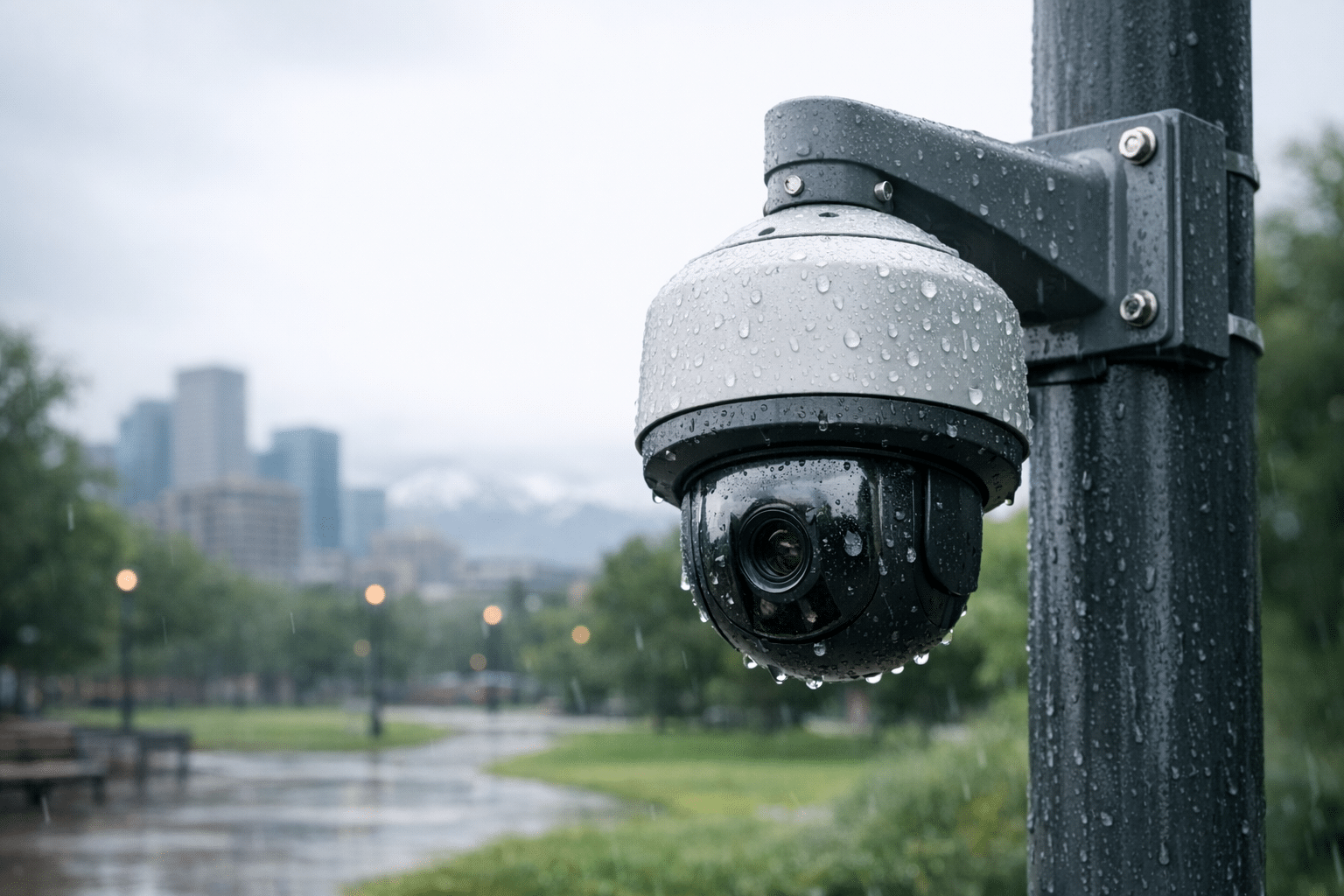
Colorado spring weather shifts dramatically within hours. Morning snow can turn into afternoon thunderstorms with hail and high winds.
Professional outdoor surveillance systems must withstand these conditions while maintaining clear video quality. Standard indoor cameras fail when exposed to moisture, temperature swings, and UV exposure.
Extended Perimeter Coverage
Outdoor venues require broader coverage areas than enclosed spaces. A typical Denver park event might span several acres with multiple entry points.
Strategic camera placement covers:
- Main entrance and exit points
- Parking areas and vehicle access roads
- Stage or main activity zones
- Vendor and equipment storage areas
- Perimeter boundaries and blind spots
Remote Monitoring Capabilities
Many spring activities occur during evening hours or weekends when on-site security staff may be limited.
Remote video monitoring provides continuous oversight without requiring physical presence at every location. Professional operators can dispatch emergency services or security personnel when incidents occur.
Common Denver Spring Activity Security Risks
Understanding specific threats helps event organizers implement appropriate surveillance solutions.
Property Theft and Vandalism
Outdoor events involve valuable equipment left in accessible locations. Sound systems, lighting rigs, and vendor merchandise become targets for theft.
Vandalism increases in parks and public spaces during high-traffic periods. Visible surveillance cameras deter criminal activity while providing evidence when incidents occur.
Crowd Management Issues
Large gatherings can quickly become chaotic without proper monitoring. Fights, medical emergencies, and overcrowding require immediate response.
Surveillance operators can identify developing situations before they escalate into serious problems.
Unauthorized Access
Open outdoor spaces make it difficult to control who enters event areas. Uninvited guests, protestors, or individuals under the influence can disrupt activities.
Perimeter monitoring helps security teams identify and address unauthorized access promptly.
Selecting Outdoor Surveillance Technology for Denver Conditions
Colorado’s high altitude and variable weather demand specific camera features and installation methods.
Camera Specifications
IP65 or higher weatherproofing protects cameras from Denver’s spring moisture and dust storms. Operating temperature ranges must accommodate overnight lows near freezing and afternoon highs above 70 degrees.
Key technical requirements include:
- 4K resolution for facial recognition at distance
- Night vision capabilities for evening events
- Wide dynamic range for varying light conditions
- Vandal-resistant housing
- Power over Ethernet connectivity
Installation Considerations
Temporary installations for seasonal events require different approaches than permanent facility security.
Mobile surveillance units provide flexibility for rotating event locations. Solar power options work well for remote park locations without electrical infrastructure.
Network Requirements
Reliable internet connectivity enables remote monitoring and video storage. Cellular-based systems work in areas where hardwired connections aren’t available.
Bandwidth requirements depend on camera resolution and recording settings. Professional installations include backup connectivity options.
Strategic Camera Placement for Maximum Coverage
Effective outdoor surveillance requires careful planning to eliminate blind spots while maximizing deterrent value.
Entry Point Monitoring
Position cameras to capture clear facial images of everyone entering the venue. Multiple angles prevent individuals from avoiding identification by changing direction or posture.
Chokepoint coverage focuses on areas where people must pass through narrow spaces like gates, ticket booths, or security checkpoints.
Activity Zone Surveillance
Main event areas need comprehensive coverage to monitor crowd behavior and identify incidents quickly.
Overlapping camera fields ensure continuous coverage even if individual cameras experience technical issues or obstruction.
Perimeter Security
Boundary monitoring prevents unauthorized access and identifies potential security threats before they reach populated areas.
Motion detection algorithms can trigger alerts when individuals approach restricted zones or climb fences.
Integration with On-Site Security Personnel
Outdoor surveillance works best when combined with trained security guards who can respond immediately to incidents.
Communication Systems
Radio communication between monitoring stations and field personnel enables rapid response coordination.
Mobile apps allow security supervisors to view camera feeds directly on smartphones or tablets while conducting patrols.
Incident Response Protocols
Clear procedures ensure appropriate responses to different types of security events. Medical emergencies require different actions than theft or vandalism incidents.
Pre-established contact lists include local law enforcement, emergency medical services, and event management personnel.

 Posted on Google
Cost Considerations for Denver Outdoor Events
Surveillance budgets must balance security needs with event profitability constraints.
Temporary vs. Permanent Installations
One-time events benefit from rental equipment that includes installation, monitoring, and removal services.
Venues hosting multiple seasonal activities should consider permanent infrastructure that can be activated as needed.
Monitoring Service Options
Professional monitoring services provide trained operators who can distinguish between normal activity and security threats.
Self-monitoring requires dedicated staff to watch video feeds continuously, which may not be practical for smaller events.
Insurance Benefits
Many insurance providers offer premium reductions for properties with professional surveillance systems.
Documented security measures can also reduce liability exposure when incidents occur despite preventive efforts.
Legal and Privacy Considerations
Colorado privacy laws and municipal regulations affect how outdoor surveillance can be implemented.
Public Space Recording Rules
Recording in public parks and streets generally doesn’t require consent, but posted notices inform attendees about surveillance presence.
Audio recording has stricter requirements than video surveillance under Colorado wiretapping laws.
Data Storage and Access
Video footage must be stored securely and accessed only by authorized personnel.
Retention periods depend on the type of event and potential liability issues. Most professional services maintain recordings for 30-90 days.
Seasonal Maintenance and Storage
Denver’s harsh winter conditions require proper equipment care between active seasons.
Winterization Procedures
Temporary equipment needs proper cleaning and storage to prevent moisture damage during off-season months.
Permanent installations require weatherproof housing and regular maintenance checks to ensure spring readiness.
Technology Updates
Annual equipment reviews ensure surveillance systems keep pace with improving technology and changing security threats.
Software updates and firmware patches maintain system security and functionality.
Protecting Denver’s Spring Activities
Effective outdoor surveillance enhances safety for Denver’s vibrant spring event season. Professional monitoring systems deter crime while enabling rapid response to incidents.
Property managers and event coordinators should evaluate their security needs early in the planning process. Weather-resistant equipment and strategic placement maximize protection value.
Contact Twin City Security Denver at 303‑574‑0000 or Denver@TwinCitySecurity.com for customized outdoor surveillance solutions that protect your Denver spring activities and events.
Sources
- Denver Police Department – Crime Information and Statistics
- Colorado Bureau of Investigation – Crime Statistics
- National Institute of Standards and Technology – Video Quality for Public Safety
- Denver Parks and Recreation – Event Guidelines
Denver sees a 47% increase in outdoor events from March through May, creating new security challenges that require specialized outdoor surveillance systems designed for Colorado's unpredictable spring weather.
- Outdoor venues face unique risks including property theft, vandalism, crowd management issues, and unauthorized access that visible surveillance cameras can help deter and document.
- Effective systems need IP65 or higher weatherproofing, 4K resolution, night vision, and wide dynamic range to handle temperature swings from near-freezing to above 70 degrees.
- Strategic camera placement should cover entry points, activity zones, and perimeters while integrating with on-site security personnel through radio communication and mobile apps for rapid incident response.


