

The Role of Technology in Enhancing Denver’s Spring Security Operations

Technology enhances Denver's spring security operations by providing adaptive solutions that respond to seasonal threat patterns. As property crimes rise 28% during warmer months due to increased foot traffic in business districts and resumed construction activity, advanced security systems help monitor changing conditions, detect suspicious behavior, and protect commercial properties across the Mile High City.
How Denver’s Spring Crime Patterns Drive Security Technology Adoption
Denver property crimes spike 28% during spring months as warmer weather brings increased foot traffic to business districts and construction sites resume full operations. This seasonal shift demands security technology solutions that adapt to changing threat patterns across the Mile High City.
Spring’s extended daylight hours and mild temperatures create unique security challenges for Denver businesses. Construction sites in areas like RiNo and the Central Business District face increased theft attempts. Cannabis facilities must navigate both seasonal security risks and evolving state compliance requirements.
Denver spring operations require integrated technology platforms that combine real-time monitoring with rapid response capabilities. Traditional security approaches fall short when dealing with the dynamic nature of spring activity patterns.
AI-Powered Video Analytics Transform Denver Construction Site Protection
Construction theft costs Denver projects an average of $47,000 per incident during peak building season. Modern AI video systems detect unusual activity patterns within seconds of occurrence.
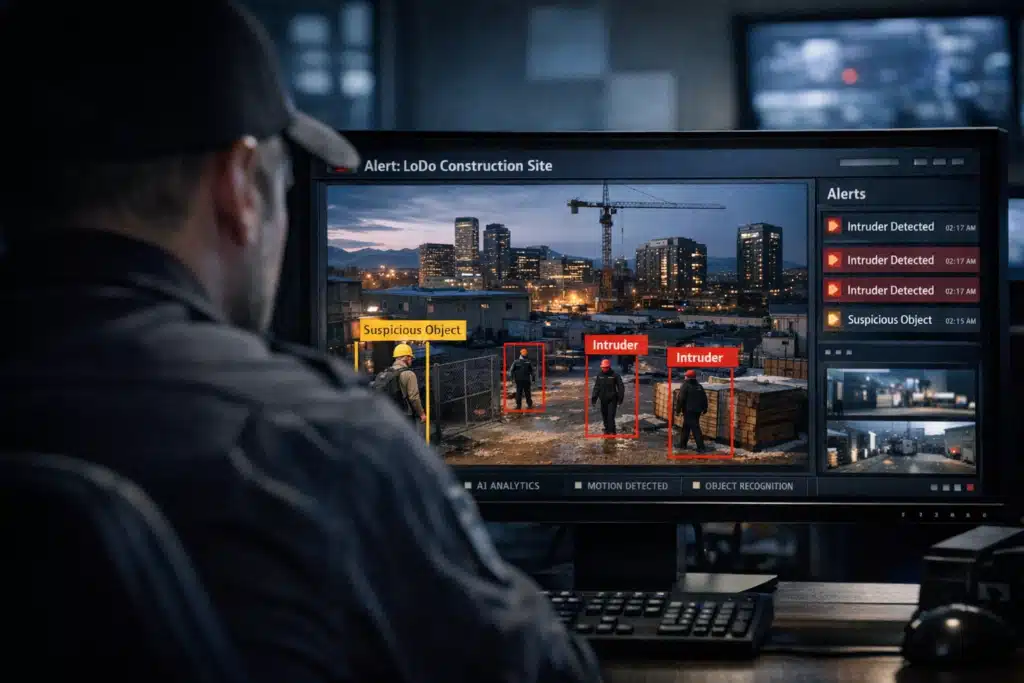
These systems distinguish between authorized workers and potential intruders by analyzing movement patterns, clothing, and vehicle types. When a system identifies suspicious activity at a LoDo construction site, it immediately alerts both on-site personnel and Twin City Security Denver’s monitoring center.
Machine Learning Adapts to Site-Specific Patterns
AI systems learn normal activity flows for each location. A downtown high-rise project has different patterns than a suburban development in Highlands Ranch.
The technology recognizes legitimate after-hours activity versus potential security breaches. This reduces false alarms by 73% compared to motion-detection systems alone.
Mobile Command Centers Enable Rapid Response Across Denver Metro
Spring weather allows mobile security units to patrol larger areas efficiently. These vehicles carry advanced communication equipment and real-time connection to central monitoring stations.
Mobile units position strategically based on current threat intelligence and seasonal crime patterns. During spring, units focus on areas with increased pedestrian traffic and outdoor events.
Integration with Fixed Surveillance Networks
Mobile patrols coordinate with permanent camera installations through shared communication platforms. Guards receive real-time updates about incidents detected by stationary systems.
This creates overlapping security coverage that adapts to changing conditions throughout the day and night.
Cloud-Based Monitoring Platforms Centralize Denver Security Operations
Cloud technology allows security teams to monitor multiple Denver locations from a single command center. Property managers access live feeds and incident reports through secure web portals.
These platforms integrate data from various sources:
- Video cameras – High-definition feeds with night vision capabilities
- Access control systems – Entry logs and badge reader data
- Alarm sensors – Motion, glass break, and perimeter detection
- Environmental monitors – Temperature and humidity tracking for sensitive areas
Real-Time Incident Coordination
When systems detect security events, cloud platforms automatically create incident tickets. These include video evidence, timestamps, and location data.
Response teams receive notifications through multiple channels including mobile apps, text messages, and email alerts. This ensures rapid response regardless of personnel location.
Thermal Imaging Technology Addresses Spring Weather Challenges
Denver’s unpredictable spring weather creates visibility challenges for traditional security cameras. Sudden rainstorms and late-season snow affect standard video quality.
Thermal imaging cameras detect heat signatures through adverse weather conditions. These systems identify human presence even during heavy precipitation or fog.
Enhanced Perimeter Detection
Thermal cameras excel at monitoring large outdoor areas like cannabis cultivation facilities and industrial complexes. They detect intruders attempting to approach buildings under cover of weather.
The technology works effectively in complete darkness without requiring additional lighting that might alert potential intruders to surveillance presence.

 Posted on Google
Drone Integration Expands Surveillance Coverage
Security drones patrol areas too large or dangerous for ground-based personnel. Spring’s calmer winds make drone operations more reliable than during winter months.
Drones equipped with high-resolution cameras conduct scheduled perimeter sweeps and respond to specific incidents. They provide aerial perspectives that reveal security vulnerabilities invisible from ground level.
Automated Flight Patterns
Pre-programmed flight routes ensure consistent coverage of critical areas. Drones return to charging stations automatically and resume patrols without human intervention.
Emergency protocols allow manual override for immediate response to security incidents detected by other systems.
Biometric Access Control Enhances Facility Security
Spring brings new construction workers, seasonal employees, and increased vendor activity to many Denver businesses. Traditional key card systems struggle to manage this influx safely.
Biometric scanners using fingerprint or facial recognition ensure only authorized personnel access sensitive areas. These systems create detailed logs of entry times and locations.
Integration with Payroll and HR Systems
Modern access control platforms sync with employee databases to automatically update permissions. When seasonal workers complete assignments, their access expires immediately.
This prevents security gaps that occur when physical keys or cards remain unreturned after employment ends.
Implementing Integrated Security Technology Systems
Successful technology integration requires careful planning and professional installation. Each Denver location presents unique challenges based on building layout, neighborhood characteristics, and operational requirements.
The implementation process follows these critical steps:
- Security assessment – Identify vulnerabilities and coverage gaps
- Technology selection – Choose compatible systems that integrate effectively
- Professional installation – Ensure proper placement and configuration
- Staff training – Educate personnel on system operation and response procedures
- Ongoing monitoring – Provide 24/7 oversight and maintenance support
Customization for Denver’s Unique Environment
High altitude and intense UV exposure affect electronic equipment differently than at sea level. Professional installers account for these environmental factors when positioning cameras and sensors.
Systems require weatherproofing against sudden temperature changes and occasional severe weather events common in the Denver metro area.
Measuring Security Technology Effectiveness
Modern security platforms generate detailed analytics about system performance and incident patterns. These metrics help businesses optimize their security investments.
Key performance indicators include response times, false alarm rates, and incident resolution success rates. Property managers use this data to adjust coverage areas and response protocols.
Cost-Benefit Analysis
Technology-enhanced security typically reduces overall security costs by improving efficiency. Automated systems handle routine monitoring tasks, allowing human guards to focus on high-priority situations.
Insurance providers often offer premium discounts for properties with comprehensive technology-based security systems.
As Denver businesses prepare for increased spring activity, integrated security technology provides the adaptability and effectiveness needed to protect assets and personnel. These systems evolve with changing threat patterns while providing the reliability demanded by modern commercial operations.
Twin City Security Denver designs custom technology solutions tailored to each client’s specific requirements and operational environment. Contact our team at 303‑574‑0000 to schedule a comprehensive security assessment for your Denver property.
Sources
- Denver Police Department – Crime Statistics and Information
- Colorado Department of Revenue – Marijuana Enforcement Division
- Security Industry Association – Technology Trends Report
Denver property crimes increase 28% during spring months, requiring security technology that adapts to seasonal threat patterns across business districts and construction sites.
- AI-powered video analytics detect suspicious activity within seconds and reduce false alarms by 73% compared to motion-detection systems alone. Construction theft costs Denver projects an average of $47,000 per incident during peak building season.
- Cloud-based monitoring platforms centralize security operations by integrating video feeds, access control logs, alarm sensors, and environmental monitors into a single command center with real-time incident coordination.
- Thermal imaging cameras and security drones address spring weather challenges and expand coverage for large outdoor areas. Biometric access control manages seasonal workforce changes while syncing with HR systems to automatically update permissions.
