

The Benefits of Mobile Patrols for Denver Residential Areas in Spring
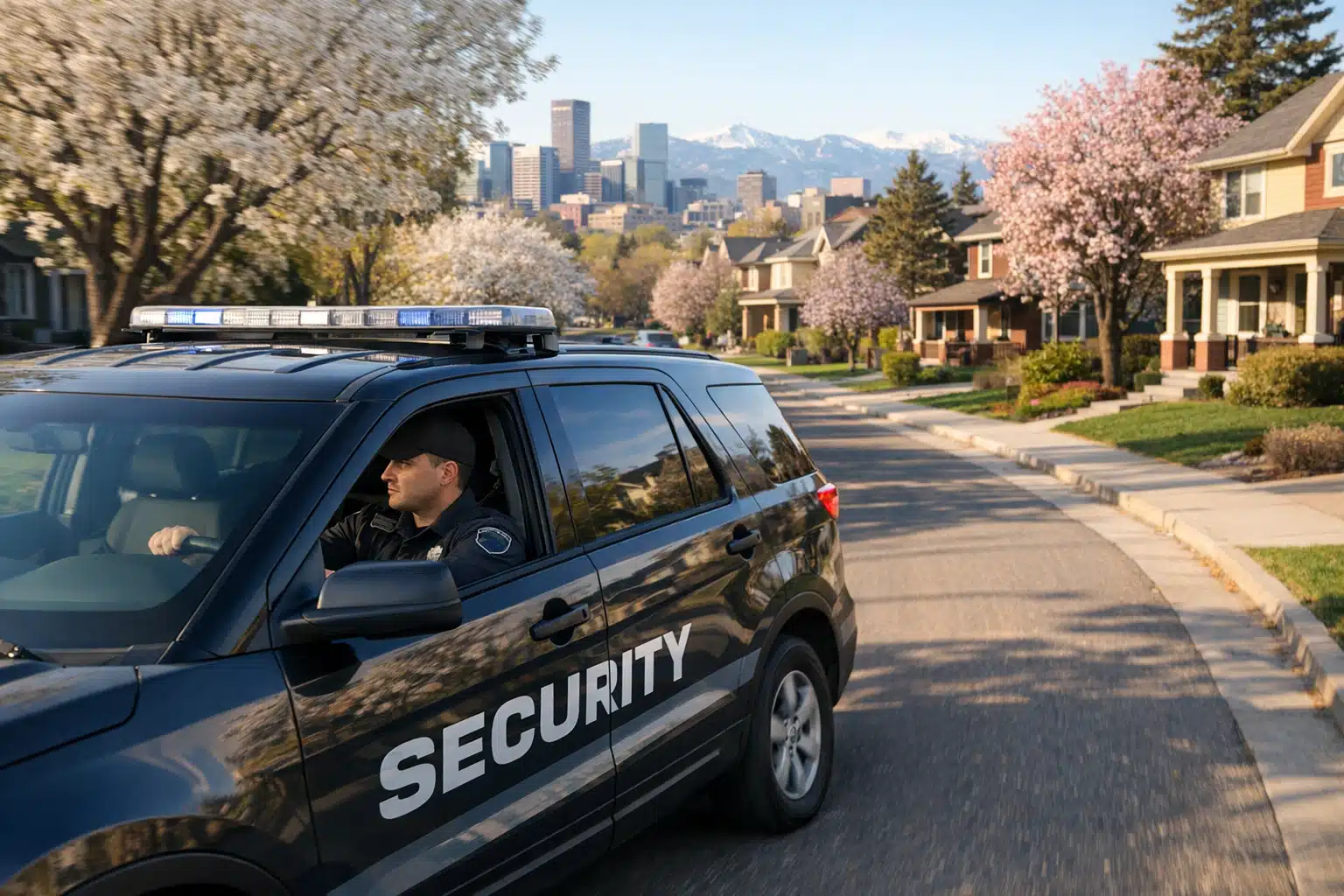
Mobile patrols offer visible deterrence and rapid response capabilities that help reduce property crimes during spring months when warmer weather increases foot traffic in neighborhoods. These services provide regular security presence throughout residential communities, discouraging break-ins and vandalism while giving property managers and homeowners associations a proactive way to protect their properties and residents.
Why Denver Neighborhoods Are Turning to Mobile Patrols This Spring
Denver saw a 12% increase in residential property crimes during the first quarter of 2024, with break-ins and vandalism spiking as warmer weather brought more foot traffic to neighborhoods. Property managers and homeowners associations across metro Denver are responding with mobile patrol services that provide visible deterrence and rapid response capabilities.
Mobile patrols offer a cost-effective alternative to static security posts. Instead of placing guards at fixed locations, patrol units move through designated routes at varied intervals, creating an unpredictable security presence that criminals cannot easily circumvent.
Spring brings unique challenges to Denver residential areas. Construction projects resume after winter delays, creating new vulnerabilities. More residents spend time outdoors, increasing the need for proactive security measures that protect both property and personal safety.
How Mobile Patrols Strengthen Denver Residential Security
Traditional security cameras capture incidents but cannot prevent them in real-time. Mobile patrols bridge this gap by providing immediate human intervention when suspicious activity occurs.
Visible Deterrence Through Unpredictable Coverage
Criminals study patterns before targeting properties. Fixed security posts become predictable, allowing bad actors to identify blind spots and timing gaps. Mobile patrols eliminate this advantage through randomized schedules and varied routes.
A marked security vehicle appearing at different times creates the impression of constant surveillance. This psychological effect extends protection beyond the patrol’s actual presence, as potential criminals cannot predict when guards will return.
Rapid Response to Emerging Threats
Mobile patrol units respond to incidents within minutes rather than waiting for law enforcement. Guards can assess situations, document evidence, and coordinate with police while maintaining scene security.
During a recent incident in the Highlands neighborhood, a mobile patrol unit interrupted a break-in attempt at a townhome complex. The guard’s immediate presence prevented property damage and detained the suspect until Denver Police arrived.
Cost Benefits of Mobile Patrols vs. Static Security
Residential communities often cannot justify the expense of 24/7 security posts. Mobile patrols provide professional security coverage at a fraction of the cost while covering larger areas more efficiently.
Flexible Scheduling Reduces Overhead
Communities can adjust patrol frequency based on specific needs and budget constraints. High-crime periods may require hourly checks, while quieter times need only bi-hourly coverage.
A typical mobile patrol service costs 40-60% less than stationing guards at individual properties. One patrol unit can effectively cover 8-12 residential properties during a single shift, distributing costs across multiple clients.
No Infrastructure Investment Required
Static security posts require guard stations, utilities, and ongoing maintenance. Mobile patrols operate from existing parking areas without additional infrastructure costs.
Property managers avoid the expense of building security offices or providing workspace amenities. Guards arrive equipped with their own vehicles and communication systems, ready to begin patrols immediately.
Spring-Specific Security Challenges in Denver Neighborhoods
Colorado’s spring season creates distinct security vulnerabilities that mobile patrols address effectively. Understanding these seasonal patterns helps property managers implement targeted protection strategies.
Construction Activity and Worker Safety
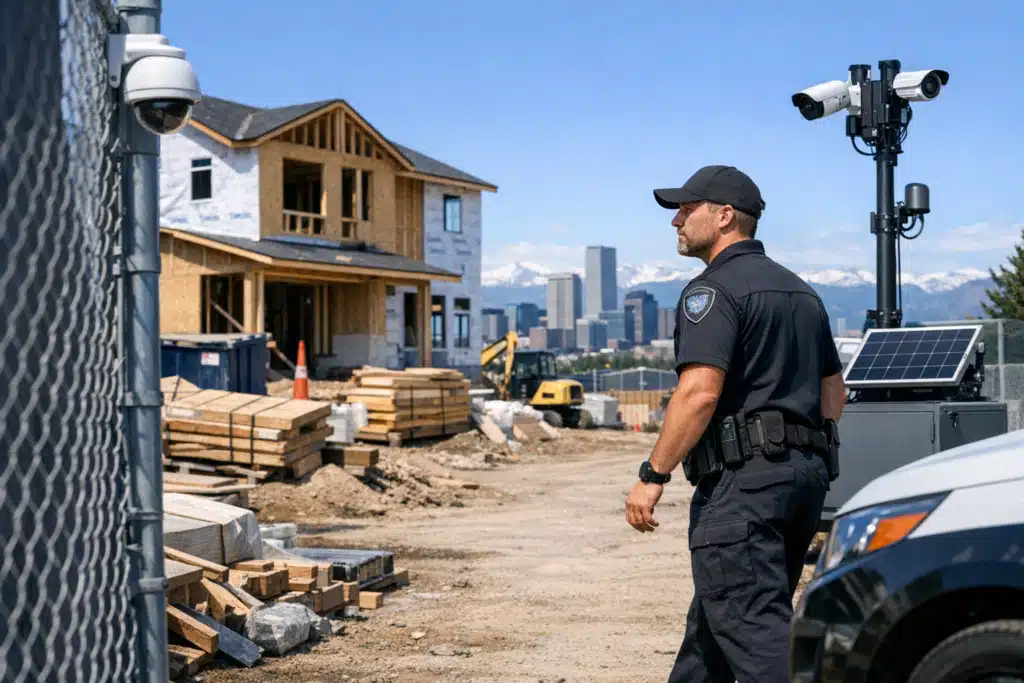
Residential construction projects restart aggressively in March and April after winter shutdowns. These sites attract theft, vandalism, and unauthorized access from curious neighbors or transients seeking shelter.
Mobile patrols monitor construction areas during off-hours when sites are most vulnerable. Guards check perimeter security, verify gate locks, and document any unauthorized access attempts.
Increased Foot Traffic and Loitering
Warmer weather brings more pedestrians to residential areas. While most foot traffic is legitimate, some individuals use the increased activity to scout properties or engage in suspicious behavior.
Patrol units distinguish between normal activity and potential threats through trained observation. Guards can approach individuals displaying suspicious behavior and request identification or purpose for being in the area.
Package Theft and Mail Security
Spring shopping patterns, including gardening supplies and outdoor equipment, result in more package deliveries. Porch pirates specifically target residential areas with predictable delivery schedules.
Mobile patrols time their routes to coincide with common delivery windows. Guards can secure packages until residents return home or report delivery issues to property management immediately.
Implementing Mobile Patrols in Different Denver Neighborhoods
Each Denver neighborhood presents unique security challenges based on layout, demographics, and crime patterns. Effective mobile patrol strategies adapt to these local conditions.
Urban Areas Like LoDo and Capitol Hill
Dense urban neighborhoods require frequent patrols focusing on parking areas, building entrances, and common spaces. Higher foot traffic demands more nuanced threat assessment capabilities.
Patrol routes in urban areas typically run every 45-60 minutes with emphasis on evening and late-night coverage when most incidents occur. Guards coordinate with building concierges and doormen to share information about suspicious activities.
Suburban Communities in Aurora and Lakewood
Suburban areas cover larger geographical zones with multiple entry points. Mobile patrols focus on perimeter security and monitoring vacant properties or homes with extended vacancies.
These communities benefit from 2-3 hour patrol intervals with randomized timing. Guards check common areas, playgrounds, and amenity buildings while maintaining visible presence throughout the neighborhood.
Gated Communities and HOA Properties
Controlled access communities face unique challenges when residents leave gates open or provide access codes to service providers. Mobile patrols verify that security protocols are followed consistently.
Guards monitor gate operations, check visitor logs, and ensure common area facilities remain secure. They can also assist with community events requiring crowd management or parking coordination.

 Posted on Google
Integration with Existing Security Systems
Mobile patrols work most effectively when integrated with existing security infrastructure rather than operating as standalone services.
Coordinated Response with Remote Monitoring
Many residential properties already use remote video surveillance systems. Mobile patrol guards receive real-time alerts from monitoring centers and respond to specific locations where cameras detect suspicious activity.
This integration reduces false alarms while ensuring rapid response to genuine threats. Guards can verify alarm conditions and provide detailed incident reports that cameras alone cannot deliver.
Communication with Property Management
Patrol guards maintain constant communication with property managers through mobile apps and cloud-based reporting systems. Real-time updates allow managers to make informed decisions about security incidents.
Daily reports include patrol completion times, any observations or concerns, and recommendations for security improvements. This documentation helps property managers track trends and adjust security strategies as needed.
Measuring Mobile Patrol Effectiveness
Successful residential security programs rely on measurable outcomes rather than just visible presence. Property managers should track specific metrics to evaluate patrol effectiveness.
Incident Reduction Metrics
Compare monthly incident reports before and after implementing mobile patrols. Look for reductions in break-ins, vandalism, theft, and trespassing incidents.
Most Denver neighborhoods see 30-50% reductions in property crimes within 60 days of starting regular mobile patrols. Document these improvements for insurance reporting and budget justification purposes.
Response Time Documentation
Track how quickly mobile patrol units respond to emergency calls compared to law enforcement response times. Patrol guards typically arrive 5-8 minutes faster than police in suburban Denver areas.
Faster response times prevent incident escalation and often result in better evidence preservation for law enforcement investigations.
Choosing the Right Mobile Patrol Provider
Not all security companies offer true mobile patrol capabilities. Property managers should evaluate providers based on specific operational criteria rather than just pricing.
Local Knowledge and Experience
Effective mobile patrol guards understand Denver neighborhood layouts, local crime patterns, and law enforcement procedures. They recognize normal vs. suspicious activities in different community types.
Ask potential providers about their experience with similar properties in your area. Request references from other Denver neighborhoods that have used their services for at least six months.
Technology and Reporting Capabilities
Modern mobile patrol services use GPS tracking, mobile reporting apps, and real-time communication systems. These tools ensure accountability and provide detailed documentation of patrol activities.
Verify that patrol vehicles have reliable communication equipment and that guards can access property-specific information while on duty. Poor communication leads to ineffective security coverage.
Mobile patrols provide Denver residential areas with flexible, cost-effective security solutions that adapt to spring’s unique challenges. The combination of visible deterrence, rapid response, and professional documentation helps protect properties while building stronger community safety. Property managers considering mobile patrol services should evaluate providers based on local experience, technology capabilities, and measurable security outcomes.
For a customized mobile patrol assessment for your Denver residential property, contact Twin City Security Denver at 303‑574‑0000 or email Denver@TwinCitySecurity.com.
Sources
- Denver Police Department – Crime Information and Statistics
- Bureau of Justice Statistics – Property Crime Trends
- Colorado Department of Public Safety – Crime Prevention Resources
Denver neighborhoods are adopting mobile patrol services this spring in response to a 12% increase in residential property crimes during early 2024. Mobile patrols offer cost-effective security through unpredictable coverage patterns and rapid response capabilities.
- Mobile patrols cost 40-60% less than static security posts and can cover 8-12 properties per shift. They require no infrastructure investment since guards arrive with their own vehicles and equipment.
- Spring brings specific security challenges including resumed construction activity, increased foot traffic, and higher package theft rates. Patrol units time routes to address these seasonal vulnerabilities.
- Most Denver neighborhoods see 30-50% reductions in property crimes within 60 days of starting regular mobile patrols. Guards typically respond 5-8 minutes faster than police in suburban areas.
