

Overview
Boulder's thriving property management sector faces distinct security challenges that demand professional, trained personnel. From student housing complexes near the University of Colorado to luxury condominiums along the Flatirons, property managers need reliable security guard services that protect assets, residents, and reputation simultaneously.
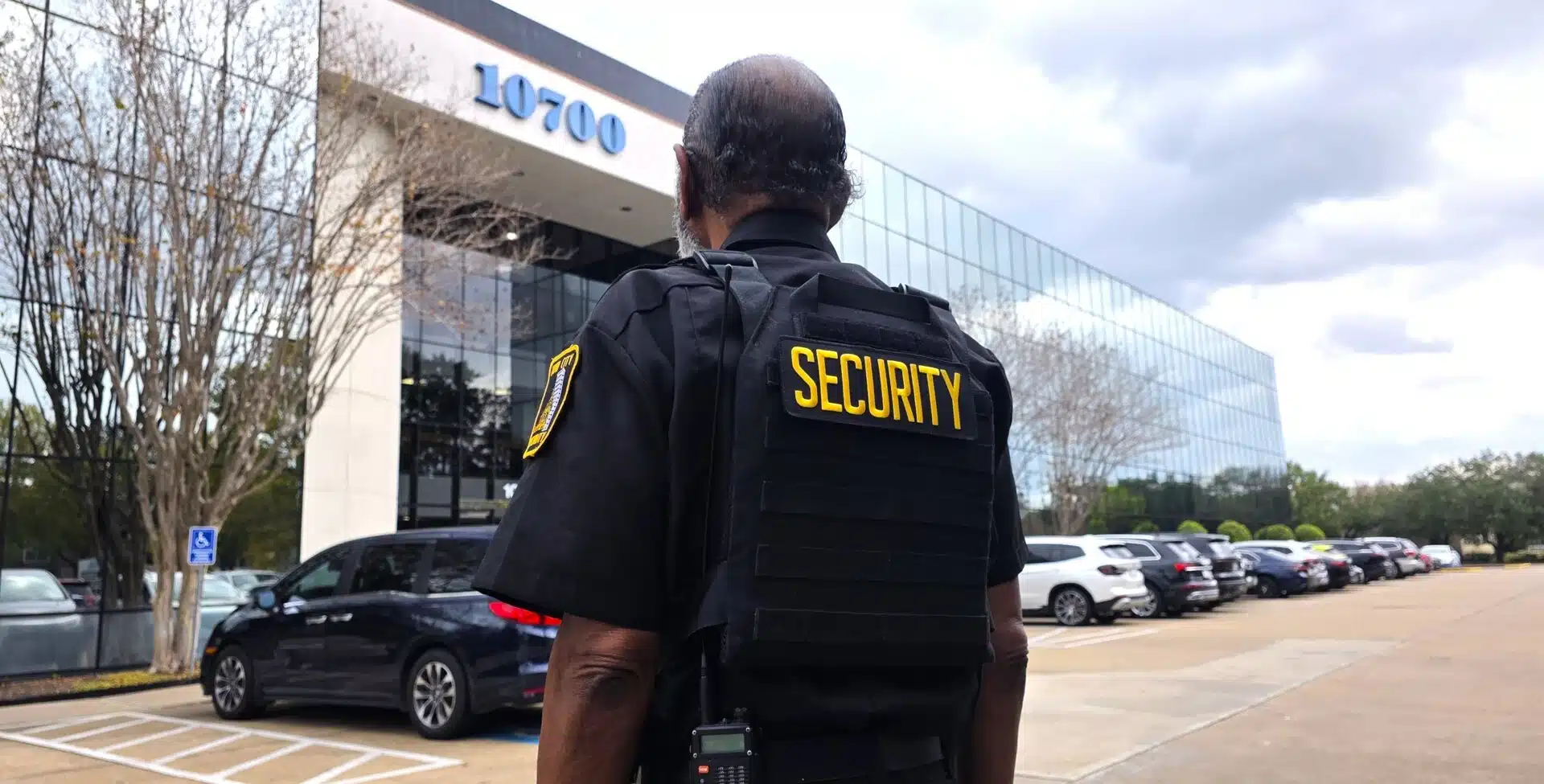
Property management security guard services encompass far more than a uniformed presence at the front desk. Professional guards conduct regular patrols, monitor access control systems, respond to disturbances, document incidents, and serve as the first point of contact during emergencies. In a city where property values remain among the highest in Colorado, protecting these investments requires expertise and vigilance.
- Round-the-clock monitoring tailored to each property's unique layout and risk profile
- Trained response protocols for everything from medical emergencies to unauthorized access
- Detailed incident documentation that protects property managers from liability
- Professional de-escalation skills that maintain community harmony
Boulder's mix of student populations, seasonal tourism, and high-net-worth residents creates a complex security landscape. The city's outdoor recreation culture means properties often have multiple access points, bike storage areas, and amenity spaces that require consistent oversight.
Common Issues in Boulder, CO
Twin City Security provides Property Management Security Guard Services services in all neighborhoods of Boulder including Arapahoe Ridge, Dakota Ridge, East Aurora, Frazier Meadows, Goss-Grove, Holiday, Keewaydin, Martin Acres, Meadow Glen, Park East, Promontory North, Table Mesa, The Hill, The Promontory, Washington Village, and Wonderland Hills.
Boulder's unique demographic composition creates security scenarios that differ significantly from other Colorado communities. The University of Colorado brings approximately 35,000 students to the area, many living in off-campus apartments and rental properties. This population generates specific challenges around party disturbances, unauthorized guests, and property damage – particularly during move-in and move-out seasons.
The city's appeal as a recreation destination means properties experience higher foot traffic from visitors who may not be familiar with building protocols. Seasonal fluctuations bring additional concerns, with winter months creating opportunities for package theft during holiday deliveries and summer bringing increased transient activity in outdoor common areas.
- Student housing turnover creates vulnerabilities during August and May transition periods
- High bicycle theft rates require dedicated monitoring of storage facilities and bike rooms
- Mountain lion and bear activity near foothill properties demands wildlife-aware security protocols
- Extreme weather events – including flash floods and wildfires – require emergency preparedness
- Short-term rental activity in residential buildings creates access control complications
- Cannabis tourism has increased incidents of smoking violations in common areas
Property managers should watch for patterns such as increasing resident complaints, damaged access control equipment, unfamiliar vehicles in parking areas, and propped-open doors. These warning signs often precede more serious security incidents and indicate the need for professional intervention.
How Twin City Security Can Help
Our approach to property management security begins with understanding your specific property and community.
Initial Assessment and Planning
- We conduct a comprehensive site evaluation, mapping all access points, blind spots, and high-risk areas
- Our team reviews historical incident reports and identifies patterns requiring attention
- We interview property management staff to understand recurring challenges and resident concerns
- A customized security plan emerges from this analysis, outlining patrol routes, staffing levels, and response protocols
Implementation and Training
Once the plan is finalized, we assign guards who receive property-specific training before their first shift.
- Familiarization with building layouts, emergency exits, and mechanical systems
- Introduction to property management software and reporting requirements
- Review of resident communication protocols and escalation procedures
- Coordination with local law enforcement contacts and emergency services
Ongoing Operations
Our guards maintain detailed digital logs accessible to property managers in real-time. Regular check-ins ensure alignment between security operations and management priorities. We adjust patrol schedules based on incident trends and seasonal factors – increasing presence during high-risk periods without requiring micromanagement from your team.
- Weekly summary reports highlighting activity patterns and recommendations
- Immediate notification protocols for urgent incidents
- Monthly strategy reviews to refine approaches based on results
Why Choose Twin City Security
Our guards hold Colorado security licenses and complete ongoing training in areas including conflict resolution, emergency response, and customer service. We maintain full liability insurance coverage that protects both our clients and their residents. Background checks exceed state requirements – we screen for factors specifically relevant to property management environments.
Twin City Security has operated in the Boulder area long enough to understand local dynamics that outsiders miss. We know which neighborhoods experience seasonal crime increases, which events create security demands, and how to coordinate effectively with Boulder Police Department and Boulder County Sheriff's Office.
- Rapid deployment capability for emergency coverage needs
- Dedicated account managers who know your property personally
- Technology integration with existing access control and camera systems
- Bilingual guards available for properties with diverse resident populations
When issues arise, you reach decision-makers directly – not call centers or automated systems. We view property management partnerships as long-term relationships built on consistent performance and transparent communication.
Property Crime Statistics in Boulder
Understanding Boulder's crime landscape helps property managers make informed security decisions. According to recent data, Boulder experiences property crime rates that exceed both state and national averages in several categories. The city reports approximately 3,500 property crimes annually, with theft and burglary comprising the majority of incidents.
Specific statistics reveal patterns directly relevant to property management:
- Bicycle theft accounts for a disproportionate share of larceny reports – Boulder consistently ranks among the highest in the nation for bike theft per capita
- Vehicle break-ins concentrate in areas with limited lighting and infrequent patrols
- Package theft complaints have increased substantially with the growth of online shopping
- Burglary rates spike during university breaks when student housing sits vacant
The Boulder Police Department's annual reports show that properties with visible security presence experience significantly fewer incidents than those relying solely on passive measures like cameras. Active deterrence – uniformed guards conducting regular patrols – disrupts the opportunity-seeking behavior that characterizes most property crime.
Geographic analysis reveals that crime distribution varies considerably across Boulder's neighborhoods. Properties near the Pearl Street Mall, University Hill, and certain sections of North Boulder report higher incident rates than foothill communities or newer developments in East Boulder. However, even lower-crime areas benefit from security services, as criminals often target properties perceived as less protected.
These statistics translate directly into liability considerations for property managers. Colorado law holds property owners to reasonable security standards, and documented crime patterns in an area can establish expectations for protective measures. Professional security services demonstrate due diligence while actively reducing the incidents that generate complaints, turnover, and legal exposure.


