

The Role of Security in Protecting Denver’s Manufacturing Industry
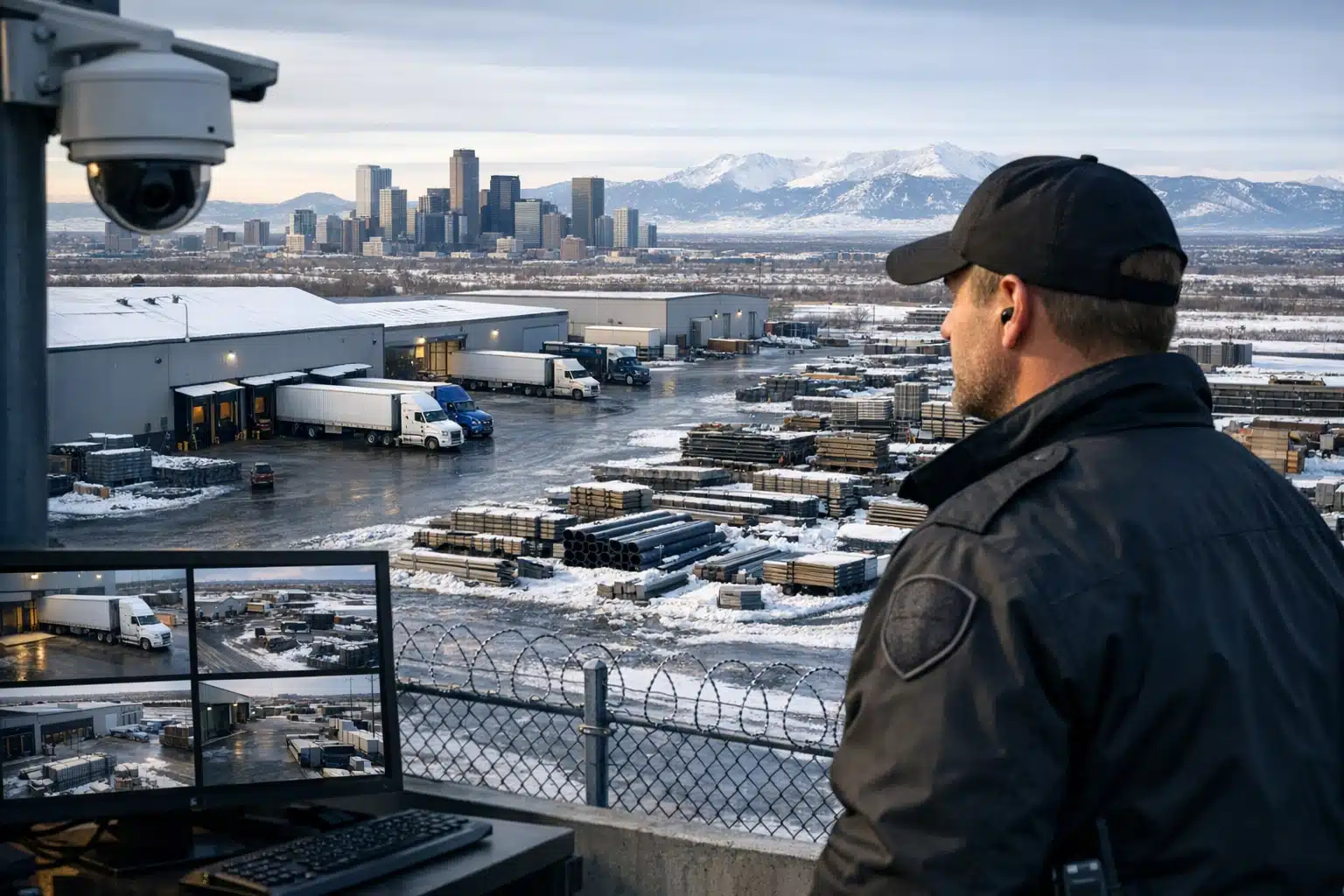
Security plays a critical operational role in protecting Denver's $3.2 billion manufacturing sector from threats that can halt production overnight. Manufacturing facilities face risks including copper theft at aerospace plants near Aurora and break-ins at food processing facilities in Commerce City. Professional security measures help safeguard equipment, inventory, and operations while maintaining business continuity.
Denver’s manufacturing sector contributes $3.2 billion annually to the local economy, but facilities face mounting security threats that can halt production overnight. From copper theft at aerospace plants near Aurora to break-ins at food processing facilities in Commerce City, manufacturing security has become a critical operational necessity.
Manufacturing facilities present unique vulnerabilities that standard business security cannot address. Large perimeters, valuable raw materials, and equipment worth millions create attractive targets for criminals.
Why Denver Manufacturing Facilities Face Higher Security Risks
Denver’s manufacturing plants deal with security challenges that office buildings and retail stores never encounter. The combination of valuable inventory, remote locations, and 24/7 operations creates perfect conditions for criminal activity.
High-Value Target Areas Within Manufacturing Sites
Thieves target specific areas within manufacturing facilities:
- Loading docks: Easy access points for organized theft rings
- Raw material storage: Copper, aluminum, and steel fetch high resale prices
- Equipment yards: Portable machinery and tools disappear quickly
- Finished goods warehouses: Products ready for theft and immediate sale
A single theft incident at a Denver electronics manufacturer in 2023 resulted in $180,000 in stolen components and three weeks of production delays.
Geographic Vulnerabilities in Denver Industry Areas
Manufacturing facilities cluster in areas with limited natural surveillance. The Commerce City corridor and industrial zones near DIA sit far from residential neighborhoods. Criminal activity goes unnoticed for hours.
Winter weather compounds these issues. Snow reduces visibility and creates blind spots. Frozen ground prevents proper installation of perimeter sensors.
Manufacturing Security Threats Specific to Colorado Operations
Colorado’s legal cannabis market creates unexpected security pressures for all manufacturers. Criminals scout industrial areas looking for cannabis facilities but target any vulnerable operation they discover.
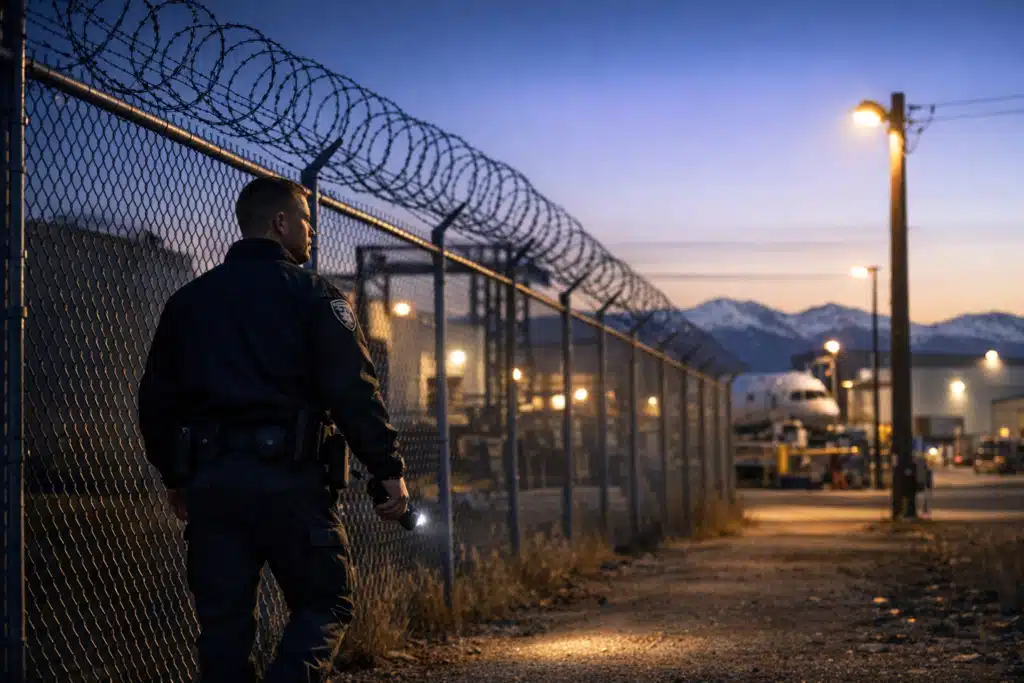
Seasonal Crime Patterns Affecting Manufacturing
Denver police data shows manufacturing facility break-ins peak during three periods:
- November through January: Holiday demand increases theft motivation
- March through April: Construction season brings transient workers to industrial areas
- Late summer: Back-to-school season drives electronics and supply theft
Metal theft spikes when commodity prices rise. A single night of copper wire theft can cost a manufacturer $50,000 in materials plus production downtime.
Organized Crime Targeting Manufacturing Operations
Professional theft rings study manufacturing schedules and shipping patterns. They identify shift changes, delivery times, and low-staffing periods.
These groups bring trucks, cutting tools, and detailed facility knowledge. Security measures that deter opportunistic criminals fail against organized operations.
Physical Security Measures for Denver Manufacturing Sites
Effective manufacturing security requires layered protection that accounts for site-specific vulnerabilities and operational requirements.
Perimeter Security Design for Large Facilities
Manufacturing sites need perimeter security that works in Colorado weather conditions:
- Anti-climb fencing: Minimum 8-foot height with razor wire extensions
- Vehicle barriers: Bollards or gates rated to stop truck-ramming attempts
- Lighting systems: LED arrays that function in sub-zero temperatures
- Access control: Card readers and biometric scanners at all entry points
Proper lighting placement prevents shadows where intruders hide. Motion-activated systems conserve energy while providing security coverage.
Internal Zone Protection Strategies
Manufacturing facilities require internal security zones based on asset value and access needs. High-value areas get additional protection layers.
Tool cribs and raw material storage need separate access controls. Production floors require different security than administrative areas. Shipping and receiving zones need constant monitoring during business hours.
Technology Solutions for Manufacturing Security
Modern security technology addresses the scale and complexity of manufacturing facility protection. Remote monitoring systems provide 24/7 coverage without the cost of multiple on-site guards.
Video Surveillance System Design
Manufacturing facilities need camera systems designed for industrial environments:
- Weather-resistant cameras: Rated for -20°F to 120°F operation
- High-resolution recording: 4K cameras for license plate and facial recognition
- Infrared capability: Clear imaging in complete darkness
- Smart analytics: Motion detection that distinguishes humans from machinery
Camera placement focuses on chokepoints, asset storage areas, and perimeter vulnerabilities. Coverage overlaps prevent blind spots that criminals exploit.
Remote Monitoring Center Operations
Professional monitoring centers provide immediate response to security events. Trained operators distinguish between normal facility operations and suspicious activity.
Remote monitoring reduces false alarms that plague manufacturing facilities. Industrial equipment creates motion, vibration, and heat signatures that trigger basic alarm systems.
Security Guard Services for Manufacturing Facilities
On-site security guards provide physical presence and immediate response capability that technology alone cannot match. Guards trained in manufacturing environments understand operational requirements and security priorities.
Mobile Patrol vs. Static Guard Positioning
Large manufacturing sites benefit from mobile patrol coverage. Guards drive predetermined routes that cover the entire facility perimeter and key internal areas.
Static positioning works better for facilities with single high-value areas or during specific operational periods. Loading dock security during shipping hours requires dedicated guard presence.
Hybrid approaches combine both strategies. Mobile patrols cover general facility security while static guards protect critical operations.
Specialized Training for Manufacturing Security
Manufacturing security guards need training beyond basic security protocols:
- Industrial safety awareness: Recognition of facility hazards and emergency procedures
- Equipment identification: Ability to distinguish normal operations from security threats
- Access control management: Proper visitor screening and escort procedures
- Incident documentation: Detailed reporting for insurance and law enforcement

 Posted on Google
Integrated Security Strategies for Denver Manufacturing
Successful manufacturing security combines multiple protection layers that work together seamlessly. Physical barriers, technology systems, and human resources must coordinate to provide complete coverage.
Coordination Between Security Elements
Security guards, monitoring systems, and access controls need integrated communication. Guards receive immediate alerts from surveillance systems. Monitoring centers contact guards during security events.
This coordination reduces response times and improves incident outcomes. A break-in detected by cameras triggers immediate guard dispatch and law enforcement contact.
Emergency Response Planning
Manufacturing facilities need security response plans for different threat scenarios. Plans address theft attempts, vandalism, workplace violence, and natural disasters.
Response procedures vary based on facility operations. A chemical plant requires different security protocols than a food processing facility. Plans account for worker safety, production continuity, and evidence preservation.
Cost Considerations for Manufacturing Security
Security investments must balance protection effectiveness with operational budgets. Manufacturing facilities often operate on thin margins that limit security spending.
Security ROI Calculation Methods
Manufacturing security provides measurable returns through loss prevention and operational continuity:
- Theft prevention: Average manufacturing theft costs $85,000 per incident
- Production continuity: Security prevents downtime that costs $22,000 per hour
- Insurance benefits: Professional security reduces premium costs by 15-25%
- Worker productivity: Secure facilities improve employee retention and performance
Scalable Security Implementation
Manufacturing facilities can implement security measures in phases based on budget availability and risk assessment. Priority areas receive protection first, with system expansion over time.
Remote monitoring provides immediate coverage while physical improvements are planned and budgeted. This approach delivers security benefits without large upfront investments.
Regulatory Compliance and Manufacturing Security
Colorado manufacturing facilities must meet various security requirements depending on their products and markets served.
Industry-Specific Security Standards
Different manufacturing sectors have unique security requirements:
- Aerospace contractors: ITAR compliance requires strict access controls
- Food processors: FDA regulations mandate secure ingredient storage
- Chemical manufacturers: EPA and OSHA requirements include security provisions
- Electronics assembly: Export control regulations affect component security
Security systems must document compliance and provide audit trails for regulatory inspections.
Future Trends in Manufacturing Security
Manufacturing security continues evolving as threats change and technology advances. Denver facilities need security strategies that adapt to emerging challenges.
Technology Integration Developments
New security technologies offer improved protection capabilities for manufacturing facilities. AI-powered video analytics distinguish between normal operations and security threats with greater accuracy.
Integrated systems combine access control, surveillance, and alarm monitoring into single platforms. These systems reduce complexity and improve response coordination.
Cybersecurity and Physical Security Convergence
Modern manufacturing relies heavily on connected systems and industrial automation. Physical security measures must account for cyber threats that target operational technology.
Security plans need provisions for cyber-physical attacks that compromise both digital systems and physical security. This convergence requires expertise in both areas.
Denver’s manufacturing sector requires specialized security approaches that address the unique risks and operational challenges of industrial facilities. Effective protection combines physical security measures, advanced technology, and trained security personnel working together.
Manufacturing security investments protect valuable assets while maintaining operational efficiency. The right security strategy prevents theft, reduces insurance costs, and provides the secure environment needed for productive operations.
Twin City Security Denver specializes in manufacturing facility protection throughout the Denver metro area. Our team understands the specific security challenges facing Colorado manufacturers and designs protection strategies that work with your operational requirements. Contact us at 303-574-0000 or Denver@TwinCitySecurity.com for a detailed security assessment of your manufacturing facility.
Sources
- U.S. Bureau of Labor Statistics – Denver-Aurora-Lakewood Employment Statistics
- Denver Police Department – Crime Information and Statistics
- ASIS International – Security Industry Guidelines and Standards
- U.S. Department of Energy – Infrastructure Security Guidelines
Denver's manufacturing sector faces unique security threats including copper theft, break-ins, and organized crime targeting facilities with valuable materials and equipment. Effective protection requires layered security combining physical barriers, technology systems, and trained personnel.
- Manufacturing facilities in areas like Commerce City and near DIA have limited natural surveillance, with break-ins peaking during winter holidays, spring construction season, and late summer. A single theft incident can cost over $180,000 plus weeks of production delays.
- Security measures include anti-climb fencing, vehicle barriers, weather-resistant cameras with infrared capability, and remote monitoring centers that reduce false alarms from industrial equipment.
- Twin City Security Denver provides manufacturing protection with mobile patrols, static guards, and integrated systems. Security investments offer measurable returns through theft prevention, reduced insurance premiums, and avoiding downtime that costs $22,000 per hour.
