

How to Implement Effective Fire Watch Services in Denver’s High-Risk Zones
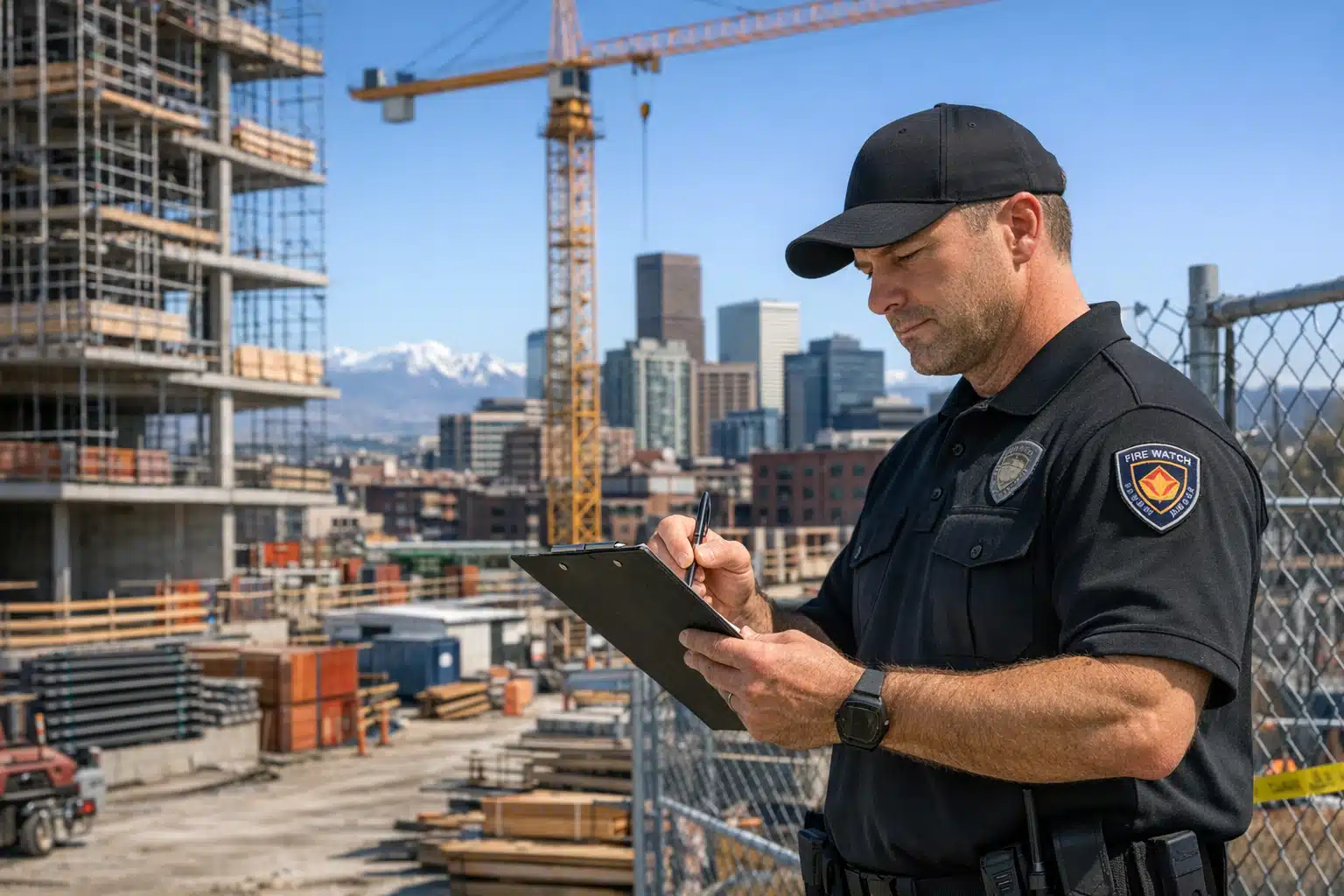
To implement effective fire watch services in Denver's high-risk zones, start by identifying vulnerable areas like LoDo and Capitol Hill construction sites where sprinkler systems are offline. Hire trained fire watch personnel who conduct regular patrols, maintain communication equipment, and document all inspections. Coordinate with local fire departments and follow mandatory requirements to protect sites from losses averaging $2.8 million per incident.
Denver’s rapid construction boom created a fire hazard crisis in 2024. High-rise projects in LoDo and Capitol Hill face mandatory fire watch requirements when sprinkler systems go offline. Fire watch services protect these vulnerable sites from catastrophic losses that average $2.8 million per incident.
This step-by-step implementation plan shows Denver property managers how to establish compliant fire watch coverage in high-risk zones.
Understanding Fire Watch Requirements in Denver’s High-Risk Zones
Fire watch becomes mandatory when automatic fire suppression systems fail or during construction phases. Denver Fire Department requires certified personnel to patrol these areas every hour.
High-risk zones include downtown construction sites, cannabis facilities with extraction equipment, and apartment buildings during system maintenance. Each zone demands different patrol frequencies and documentation methods.
Legal Requirements for Denver Fire Watch
Colorado building codes mandate fire watch within 24 hours of system impairment. Violations result in immediate occupancy restrictions and fines starting at $5,000 per day.
Denver Fire Department issues permits for temporary fire watch operations. These permits specify patrol routes, check-in intervals, and emergency response protocols.
Step-by-Step Fire Watch Implementation Process
Setting up effective fire watch requires systematic planning and proper personnel deployment. Each step builds protection layers that prevent small incidents from becoming major disasters.
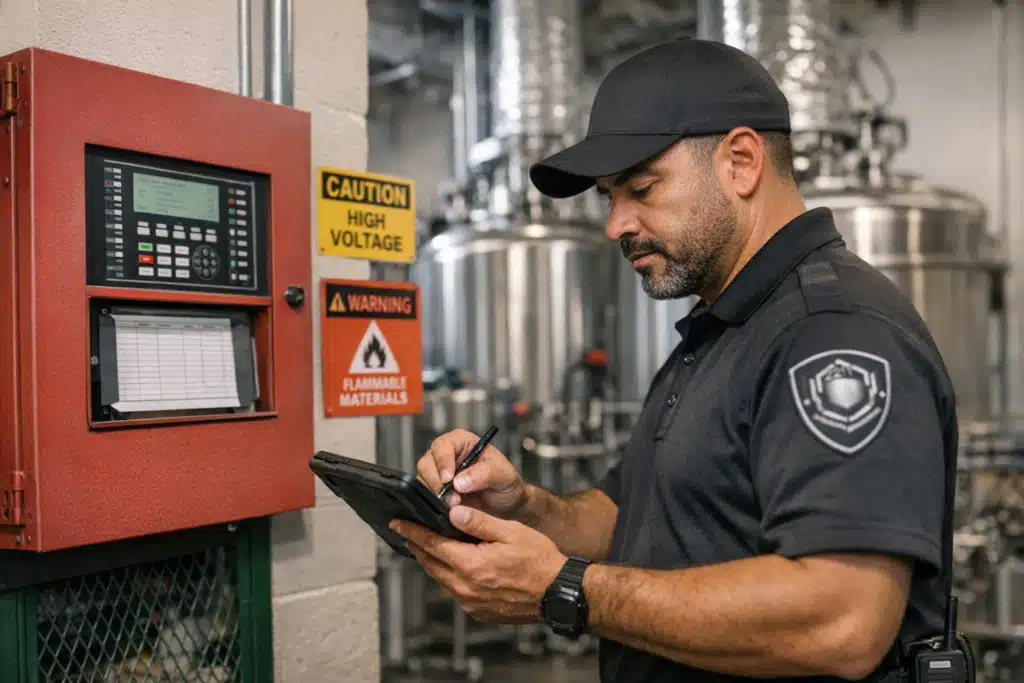
Step 1: Conduct Site Risk Assessment
Walk the entire property to identify fire hazards and escape routes. Document combustible materials, electrical panels, and areas with limited access.
Map patrol routes that cover all occupied areas within 60 minutes. Mark locations where guards will log their rounds and test communication equipment.
Step 2: Deploy Certified Fire Watch Personnel
Fire watch guards need current certifications in fire safety and emergency response. They must complete Denver-specific training on local fire codes and evacuation procedures.
Assign one guard per 50,000 square feet of building space. Multi-story buildings require guards on each occupied floor during business hours.
Step 3: Establish Communication Systems
Equip guards with direct radio contact to Denver Fire Department dispatch. Install backup communication methods in case primary systems fail during emergencies.
Program emergency contact lists into guard devices. Include building management, fire department, and key personnel who can assist with evacuations.
Technology Integration for Enhanced Fire Watch Coverage
Modern fire watch combines human patrols with remote monitoring technology. This hybrid approach catches fire risks that traditional methods might miss.
Thermal Imaging Cameras
Install thermal cameras in high-risk areas like electrical rooms and storage facilities. These cameras detect temperature spikes before visible flames appear.
Connect cameras to central monitoring stations that alert guards immediately when temperatures exceed safe limits. This early warning system prevents small fires from spreading.
Mobile Patrol Apps
Digital patrol systems track guard movements and automate logbook entries. GPS verification confirms guards reach each checkpoint within required timeframes.
Apps generate real-time reports for fire department inspectors. This digital documentation proves compliance during permit renewals and insurance audits.
Specific Challenges in Denver’s Urban Environment
Denver’s altitude and dry climate create unique fire risks that require modified watch protocols. Wind patterns downtown can spread fires rapidly between buildings.
High-Altitude Fire Behavior
Fires burn faster at Denver’s 5,280-foot elevation due to lower oxygen levels. This means fire watch guards have less time to respond before situations become dangerous.
Reduce patrol intervals to 30 minutes in high-altitude locations. Stock extra fire extinguishers rated for Denver’s atmospheric conditions.
Downtown Wind Patterns
LoDo’s urban canyon effect accelerates fire spread between buildings. Position guards to monitor both interior spaces and external fire risks from neighboring properties.
Coordinate with adjacent buildings during fire watch operations. Share contact information and evacuation plans with neighboring property managers.
Cannabis Facility Fire Watch Protocols
Colorado cannabis operations face heightened fire risks from extraction equipment and concentrated product storage. State regulations require enhanced fire watch during equipment maintenance.
Extraction Room Monitoring
Butane and CO2 extraction creates explosive atmosphere risks. Fire watch guards must check these areas every 15 minutes during active operations.
Install gas leak detectors connected to automatic shutdown systems. Train guards to recognize extraction equipment malfunctions that could trigger fires.
Product Storage Areas
Concentrated cannabis products burn intensely and produce toxic smoke. Fire watch protocols include immediate evacuation procedures for storage room incidents.
Maintain clear evacuation paths from storage areas to exterior exits. Guards must verify these paths remain unobstructed during each patrol round.

 Posted on Google
Construction Site Fire Watch Best Practices
Active construction sites present rapidly changing fire risks as work progresses. Fire watch guards adapt their patrol routes weekly based on construction phases.
Hot Work Monitoring
Welding and cutting operations require continuous fire watch for 2 hours after work completion. Guards inspect surrounding areas for smoldering materials or heat damage.
Coordinate fire watch schedules with contractor work plans. Increase guard coverage during peak hot work hours between 10 AM and 3 PM.
Material Storage Protection
Construction materials like insulation and lumber create massive fuel loads. Store these materials away from electrical equipment and heat sources.
Guards patrol storage areas after each shift change to catch any smoking or unauthorized activities that could start fires.
Cost-Effective Fire Watch Staffing Models
Balancing fire safety with operational budgets requires strategic guard deployment. Different staffing models work better for specific building types and risk levels.
24/7 Coverage vs. Business Hours Only
Unoccupied buildings may qualify for reduced fire watch during overnight hours. Consult Denver Fire Department to determine minimum staffing requirements.
Occupied buildings require full-time coverage until fire suppression systems return to service. Budget $180-240 per guard per 8-hour shift for certified personnel.
Shared Coverage for Multi-Tenant Buildings
Apartment complexes and office buildings can share fire watch costs among tenants. Create written agreements specifying each tenant’s financial responsibility.
One guard can monitor multiple floors if evacuation routes connect properly. This reduces per-unit costs while maintaining safety standards.
Documentation and Compliance Requirements
Proper documentation proves fire watch effectiveness to inspectors and insurance companies. Missing records can void coverage and result in permit violations.
Required Logbook Entries
Guards must record patrol times, areas inspected, and any hazards discovered. Include weather conditions and building occupancy levels in each entry.
Document all fire safety equipment checks including extinguisher locations and emergency lighting function. Note any equipment deficiencies immediately.
Incident Reporting Procedures
Report all fire-related incidents to Denver Fire Department within 2 hours of occurrence. Include detailed descriptions of guard actions and property damage.
Maintain incident reports for insurance claims and permit renewal applications. These records demonstrate proactive fire prevention efforts.
Emergency Response Coordination
Fire watch guards serve as first responders until Denver Fire Department arrives. Proper emergency coordination can prevent injuries and minimize property damage.
Evacuation Procedures
Train guards on building-specific evacuation routes and assembly points. Practice evacuation procedures during different occupancy levels and weather conditions.
Maintain current occupant counts during business hours. Guards need accurate headcounts to report missing persons to fire department commanders.
Fire Department Interface
Establish direct communication channels with local fire stations. Provide building layout diagrams and hazard maps to responding crews.
Designate meeting points where guards brief fire department personnel about building conditions and occupant locations.
Effective fire watch implementation requires certified personnel, proper technology, and thorough documentation. Denver’s unique environmental factors demand modified protocols for maximum protection. Property managers who follow these steps create robust fire safety systems that protect lives and assets.
Contact Twin City Security Denver at 303-574-0000 or Denver@TwinCitySecurity.com for certified fire watch personnel and customized safety protocols for your high-risk facility.
Sources
- Denver Fire Department – Fire Prevention Division
- National Fire Protection Association – NFPA 601 Fire Guard Standard
- Colorado Department of Public Health – Cannabis Facility Safety Requirements
Denver's construction boom has created fire hazard challenges in 2024, with high-rise projects in LoDo and Capitol Hill facing mandatory fire watch requirements when sprinkler systems go offline. This guide provides property managers with a step-by-step plan for establishing compliant fire watch coverage in high-risk zones.
- Fire watch becomes mandatory when suppression systems fail, requiring certified personnel to patrol hourly. Violations can result in fines starting at $5,000 per day and occupancy restrictions.
- Implementation involves site risk assessments, deploying one certified guard per 50,000 square feet, and establishing direct radio contact with Denver Fire Department dispatch.
- Denver's 5,280-foot elevation causes fires to burn faster, requiring 30-minute patrol intervals. Cannabis facilities need enhanced protocols with 15-minute checks during extraction operations.
