

How to Optimize Security for Denver’s Historic Landmarks and Tourist Attractions
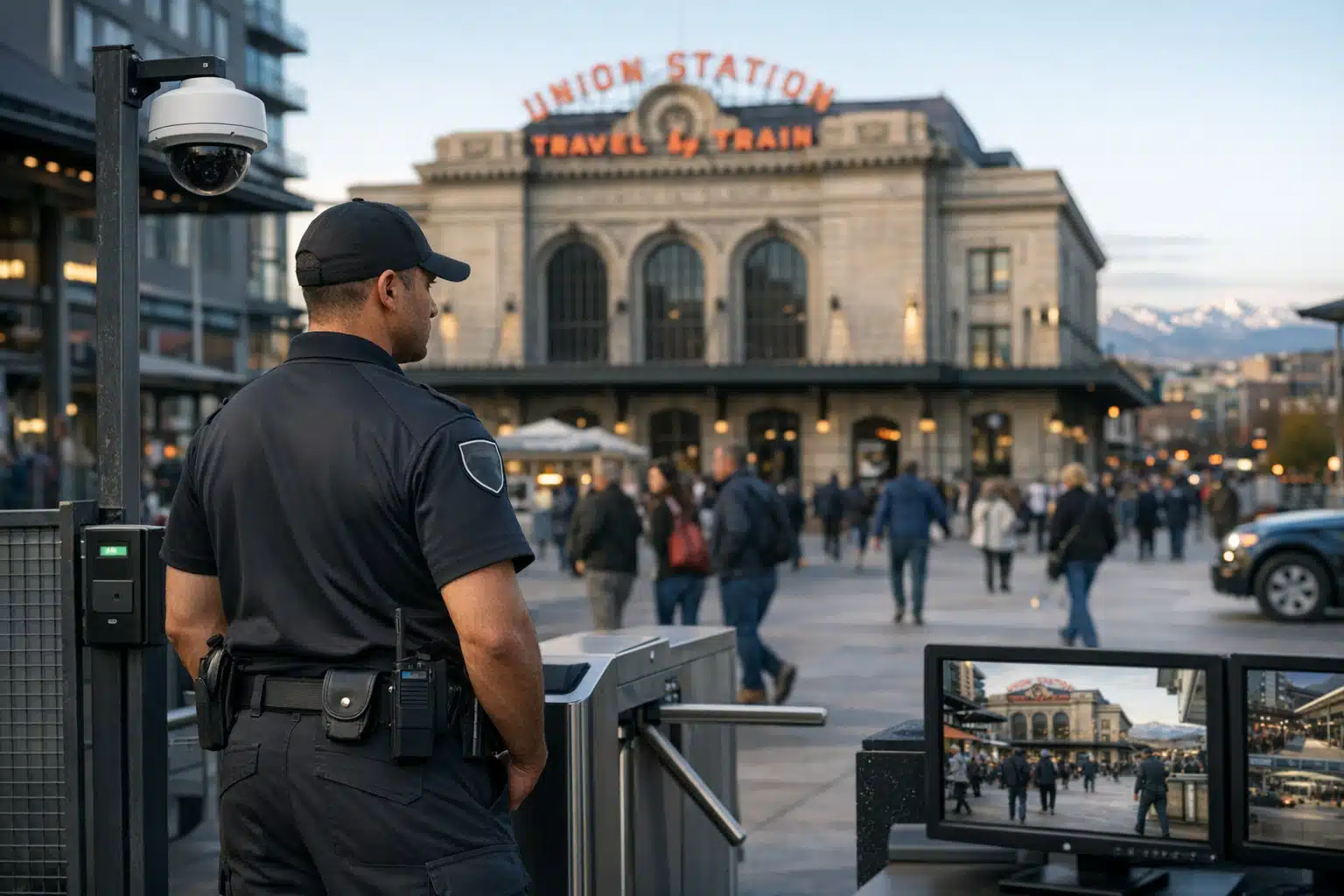
Optimizing security for historic landmarks requires balancing public access with protection through layered approaches. This includes deploying visible security personnel at high-traffic entry points, installing discreet surveillance systems that preserve architectural integrity, implementing crowd management protocols, and coordinating with local law enforcement. Regular threat assessments help identify vulnerabilities while maintaining a welcoming atmosphere for visitors.
Denver’s historic landmarks attracted over 38 million visitors in 2023, making **tourist attraction security** a complex balancing act between public access and protection. The Union Station area alone sees 100,000 daily pedestrians, creating security challenges that require specialized approaches for **historic landmarks**.
Securing these sites means protecting both visitors and irreplaceable architecture. Each location demands customized security protocols that respect historical integrity.
Understanding Denver’s Historic Landmark Security Challenges
Historic sites face threats that modern buildings never encounter. Vandalism at the Molly Brown House costs the city $15,000 annually in restoration work.
**High-traffic periods** create the biggest vulnerabilities. Summer tourist season brings 40% more visitors to LoDo’s historic buildings between June and August.
Common Security Vulnerabilities at Historic Sites
- Unrestricted access points – Original architecture includes multiple entrances
- Aging infrastructure – Historic locks and windows lack modern security features
- Limited lighting – Period-appropriate fixtures create dark zones
- Crowded conditions – Large groups mask suspicious behavior
- Valuable artifacts – Displays attract theft attempts
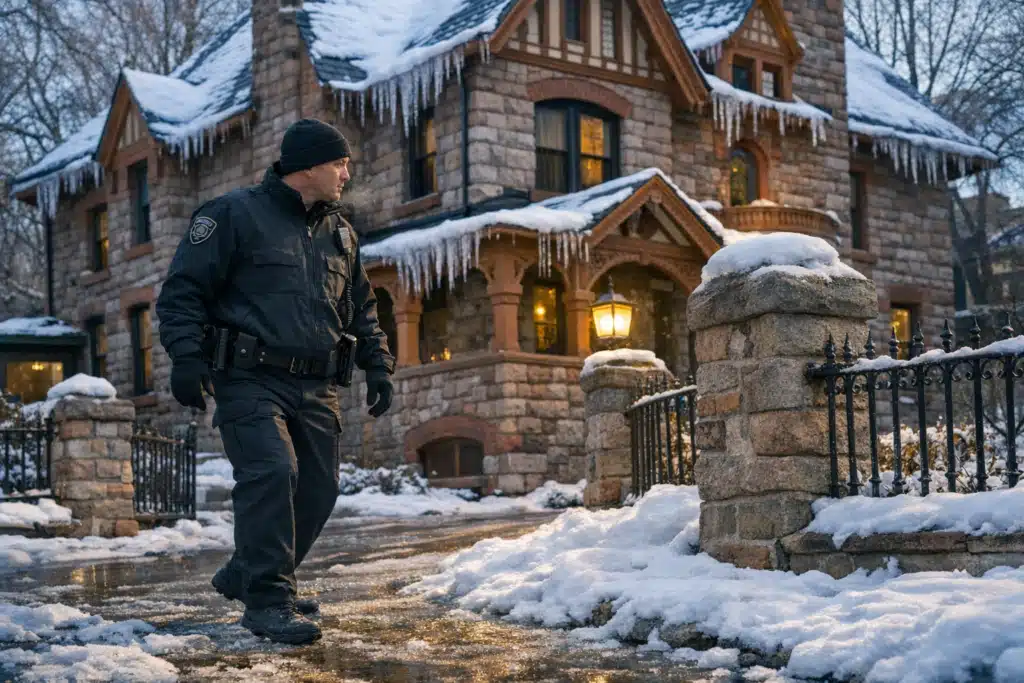
Winter weather compounds these issues. Snow and ice make perimeter monitoring difficult at outdoor sites like Confluence Park.
Developing Effective Tourist Attraction Security Protocols
Security protocols must adapt to each site’s visitor patterns and historical restrictions. The Colorado State Capitol requires different approaches than the Denver Art Museum’s historic wing.
Visitor Flow Management
**Peak hours** determine staffing needs. Most Denver landmarks see heaviest traffic between 10 AM and 4 PM on weekends.
Control points work better than barriers. Discrete checkpoints maintain the site’s welcoming atmosphere while screening visitors.
- Entry screening – Bag checks without metal detectors maintain historical ambiance
- Group monitoring – Track large tour groups through rotation schedules
- Exit verification – Confirm all visitors leave restricted areas
Technology Integration for Historic Settings
Modern security technology must blend with historic aesthetics. Visible cameras and alarms damage the authentic atmosphere visitors expect.
**Remote monitoring systems** work best for historic landmarks. Cameras disguised as period fixtures provide coverage without visual intrusion.
- Wireless sensors – No drilling into historic walls
- Battery-powered devices – Avoid electrical modifications
- Mobile response units – Quick deployment during events
Coordinating with Denver Law Enforcement and Emergency Services
Historic landmarks require special emergency response protocols. Denver Police Department’s downtown division maintains specific procedures for Union Station incidents.
**Response times** vary by location. Capitol Hill sites average 8-minute police response, while Highland landmarks see 12-minute averages.
Emergency Communication Systems
Direct lines to Denver Police expedite responses during security incidents. Radio systems work better than cell phones in historic buildings with thick stone walls.
Fire department coordination requires advance planning. Historic buildings need specialized evacuation routes that account for narrow staircases and low doorways.
Balancing Public Access with Security Measures
Heavy security discourages tourism, but inadequate protection invites incidents. Denver’s historic sites must maintain welcoming environments while protecting visitors and artifacts.
Discrete Security Presence
**Plainclothes guards** work better than uniformed security at most historic sites. Visitors feel more comfortable exploring when security feels less obvious.
Strategic positioning maximizes coverage. One guard at the main entrance can monitor three display rooms at the Molly Brown House.
Educational Approaches to Security
Informing visitors about preservation helps reduce accidental damage. Clear signage about touching restrictions prevents 80% of handling incidents.
- Rope barriers – Define viewing distances without blocking access
- Floor markers – Show safe standing positions
- Audio warnings – Automatic alerts when visitors get too close
Seasonal Security Considerations for Denver Landmarks
Denver’s climate creates changing security needs throughout the year. Winter ice makes outdoor monuments dangerous, while summer crowds stress indoor capacity limits.
Winter Protection Strategies
**Snow removal** around historic sites requires careful planning. Salt damages historic stonework at sites like the Colorado State Capitol steps.
Indoor heating systems need monitoring. Historic buildings use older HVAC systems that can malfunction, creating emergency evacuation scenarios.
Summer Crowd Management
Peak tourist season brings capacity challenges. The Denver Art Museum’s historic wing limits groups to 25 people per hour during July.
Extended daylight hours require adjusted security schedules. Summer visitors stay later, requiring guard coverage until 8 PM instead of 6 PM.

 Posted on Google
Training Security Personnel for Historic Sites
Guards working historic landmarks need specialized training beyond standard security protocols. They must understand historical context and preservation requirements.
Historical Knowledge Requirements
**Basic site history** helps guards answer visitor questions and identify unusual behavior. Guards who understand artifact value can better protect displays.
Preservation protocols prevent security measures from damaging historic materials. Guards must know which surfaces can support equipment mounting.
Customer Service Skills
Historic site visitors expect educational experiences, not security checkpoints. Guards need diplomatic communication skills to handle rule violations.
- De-escalation techniques – Handle disputes without disrupting other visitors
- Educational explanations – Explain security rules as preservation measures
- Emergency procedures – Evacuate historic buildings safely
Evaluating Security Effectiveness at Tourist Attractions
Regular assessment identifies weak points before incidents occur. Monthly reviews of visitor patterns and security reports reveal developing problems.
Incident Documentation
**Detailed reporting** tracks security trends over time. Small incidents often predict larger problems if patterns develop.
Photo documentation helps identify repeat offenders. Some individuals target multiple historic sites for theft or vandalism attempts.
Visitor Feedback Integration
Guest comments reveal security gaps that staff miss. Visitors notice suspicious behavior that guards might overlook.
Exit surveys provide security insights without direct questioning. Comments about feeling safe indicate security effectiveness.
Cost-Effective Security Solutions for Historic Landmarks
Budget constraints limit security options at many historic sites. Smart planning maximizes protection within financial limitations.
Shared Security Resources
**Multiple site coverage** reduces per-location costs. One security team can monitor three nearby LoDo historic buildings using rotation schedules.
Remote monitoring centers serve multiple landmarks simultaneously. Central dispatch coordinates responses across downtown historic sites.
Volunteer Security Programs
Trained volunteers supplement professional security during peak periods. Historical societies provide knowledgeable volunteers who understand site significance.
- Background screening – Verify volunteer reliability
- Basic training – Teach security awareness and communication protocols
- Clear limitations – Define volunteer responsibilities and restrictions
Protecting Denver’s historic landmarks requires specialized security approaches that respect both visitor experiences and preservation needs. Successful tourist attraction security balances accessibility with protection through discrete monitoring, trained personnel, and adaptive protocols.
Contact Twin City Security Denver at 303-574-0000 or Denver@TwinCitySecurity.com for customized security assessments designed specifically for historic properties and tourist attractions.
Sources
- Denver Police Department – Crime Statistics and Response Data
- National Park Service – Historic Preservation Guidelines
- Colorado Division of Homeland Security – Emergency Management Resources
- Visit Denver – Tourism Statistics and Visitor Data
Denver's historic landmarks welcomed over 38 million visitors in 2023, creating complex security challenges that require balancing public access with protection of both visitors and irreplaceable architecture.
- Union Station sees 100,000 daily pedestrians, while summer tourist season brings 40% more visitors to LoDo's historic buildings between June and August.
- Effective security includes discrete measures like plainclothes guards, cameras disguised as period fixtures, and wireless sensors that avoid damaging historic walls.
- Guards need specialized training covering site history, preservation protocols, and customer service skills to maintain welcoming environments while protecting artifacts.
