

How to Enhance Security for Denver’s High-Rise Buildings
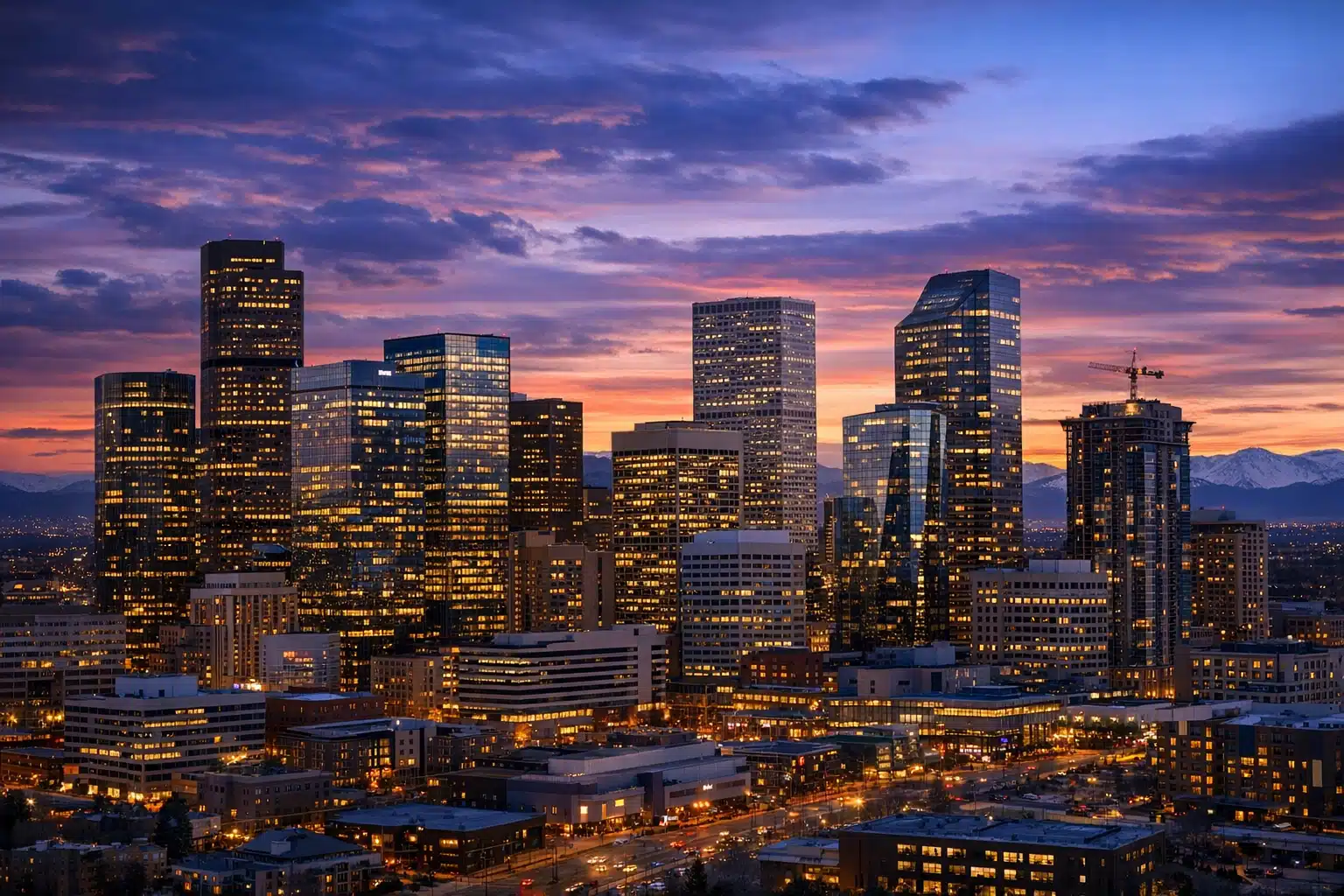
Enhancing security for Denver's high-rise buildings requires a multi-layered approach that addresses their unique vertical vulnerabilities. Key strategies include implementing access control systems at all entry points, installing surveillance cameras throughout common areas and parking structures, training security personnel on high-rise protocols, and coordinating with local law enforcement to address the rising property crime rates affecting downtown areas.
Denver’s downtown core houses over 200 buildings exceeding 10 stories, with LoDo and the Central Business District seeing a 15% increase in property crimes targeting high-rises during 2023. These vertical structures present distinct security vulnerabilities that differ dramatically from ground-level facilities.
High-rise security in Denver requires specialized strategies that address elevator access, stairwell monitoring, and rooftop protection while managing the unique challenges of Colorado’s weather extremes.
Why High-Rise Security Differs from Ground-Level Protection
High-rise buildings create security blind spots that don’t exist in single-story facilities. Vertical access points multiply exponentially as building height increases.
Each floor represents a separate security zone. A 20-story building has 20 potential breach points through windows, plus multiple stairwells, elevator shafts, and utility access routes.
Denver’s wind patterns at elevation create additional challenges. Buildings above 15 stories experience wind speeds 40% higher than ground level, affecting camera stability and audio detection systems.
Unique Entry Point Vulnerabilities
Ground-level security focuses on perimeter doors and windows. High-rise security must monitor:
- Elevator override systems – Service keys can bypass floor restrictions
- Emergency stairwell access – Fire codes require unlocked exits that become security risks
- Utility room entrances – HVAC and electrical access on multiple floors
- Rooftop access points – Helicopter pads, maintenance doors, ventilation systems
Denver High-Rise Security Challenges and Solutions
Denver’s altitude affects security equipment performance in ways that coastal cities don’t experience. At 5,280 feet, electronic components operate under different atmospheric pressure conditions.
Weather-Related Security Impacts
Denver’s dramatic weather swings create specific vulnerabilities for high-rise buildings.
Winter considerations: Ice formation on upper floors can disable exterior cameras and sensors. Buildings above 20 stories experience different weather conditions than their base levels during winter storms.
Hail season risks: Colorado’s hail corridor affects building security from May through September. Rooftop security equipment needs specialized housing rated for 2-inch hail impacts.
Elevator System Security
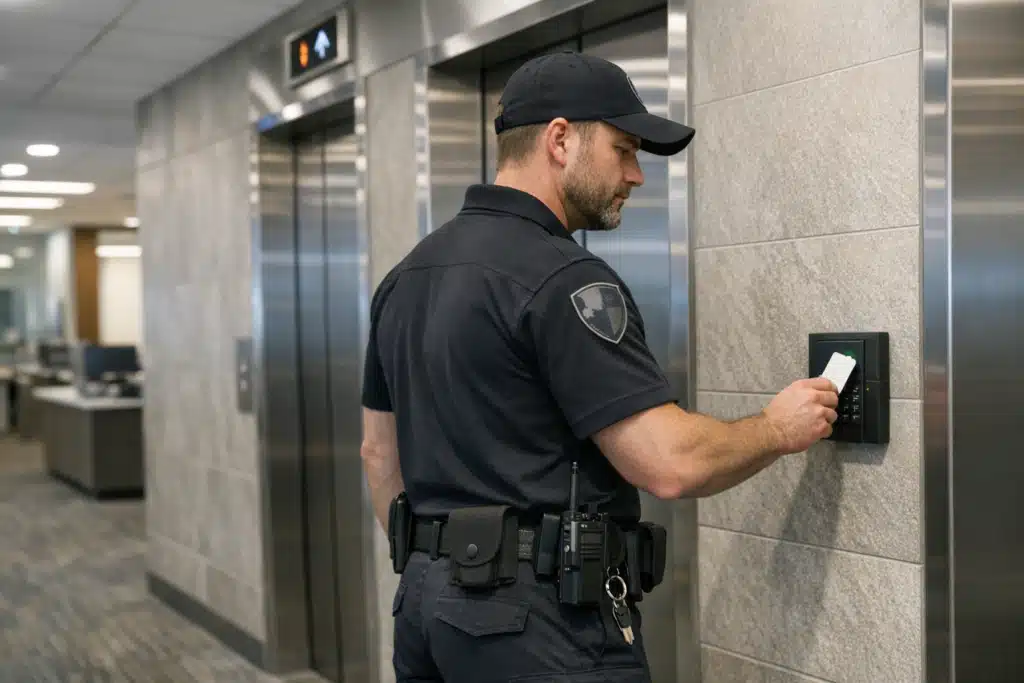
Modern elevator systems in downtown Denver buildings use card access, but older structures rely on key overrides. These manual systems create security gaps.
Security guards must understand elevator override protocols for each building. A single service key can access every floor, bypassing normal access controls.
Best practices for elevator monitoring:
- Install cameras inside each elevator car with emergency communication capability
- Monitor elevator machine rooms on upper floors – common hiding spots for unauthorized individuals
- Control service key access through logged checkout systems
- Program elevators to return to lobby level during security incidents
Remote Surveillance Systems for Denver High-Rises
Remote video monitoring provides 24/7 coverage that’s especially critical for high-rise buildings where on-site guards cannot patrol every floor simultaneously.
Denver’s high-rise remote surveillance faces unique technical challenges. Signal transmission between floors requires fiber optic infrastructure rather than standard ethernet cabling.
Strategic Camera Placement
Exterior monitoring points:
- Building corners at 5-story intervals to eliminate blind spots
- Loading dock areas – typically located on basement or second-floor levels
- Emergency exit locations on each floor
- Rooftop perimeter with 360-degree coverage
Interior critical zones:
- Elevator lobbies on each floor
- Stairwell landings every 3-5 floors
- Utility room entrances
- Executive floor access points
Communication System Integration
High-rise buildings need integrated communication between remote monitoring centers and on-site personnel. Standard radio systems lose effectiveness above 15 floors in downtown Denver due to signal interference from surrounding buildings.
Successful systems use building-wide intercom integration with monitoring centers. This allows immediate two-way communication during security incidents.
Access Control for Multi-Story Buildings
Denver’s high-rise buildings typically house multiple tenants with varying security clearance levels. This creates complex access control requirements that single-tenant facilities don’t face.
Zone-Based Security Levels
Effective high-rise security divides buildings into security zones rather than simply controlling building access:
- Public zones – Lobby, ground-floor retail, public elevators
- Tenant zones – Individual floor access, private restrooms
- Restricted zones – Executive floors, IT server rooms, building management areas
- Service zones – Mechanical rooms, utility access, loading areas
Each zone requires different security protocols and monitoring intensity.
After-Hours Security Protocols
High-rise buildings in downtown Denver experience different activity patterns than suburban facilities. Late-night office workers, cleaning crews, and maintenance personnel create legitimate after-hours access needs.
Key after-hours considerations:
- Escort requirements for cleaning and maintenance crews above certain floors
- Temporary access codes for overtime workers
- Security checkpoint procedures for delivery personnel
- Emergency evacuation route monitoring

 Posted on Google
Emergency Response Planning for High-Rises
Denver Fire Department response times to upper floors average 8-12 minutes depending on building height and elevator availability. Security systems must bridge this response gap.
High-rise emergency response requires coordination between building security, Denver Fire, and Denver Police. Each agency needs different information during incidents.
Security’s Role in Emergency Response
Security personnel serve as first responders and information coordinators during high-rise emergencies.
Critical security functions during emergencies:
- Elevator control and override for emergency responder access
- Stairwell monitoring to ensure evacuation routes remain clear
- Communication relay between emergency services and building occupants
- Floor-by-floor status reporting to incident commanders
Technology Integration for Emergency Response
Modern high-rise security systems integrate with building fire and safety systems. This integration provides real-time incident information to both security personnel and emergency responders.
Remote monitoring centers can provide Denver Fire Department with building layouts, elevator status, and camera feeds during active incidents.
Cost Considerations for High-Rise Security
High-rise security costs scale differently than ground-level facility protection. The vertical nature of these buildings requires more equipment and monitoring points per square foot.
Camera installation costs increase 25-40% for buildings above 10 stories due to specialized mounting requirements and signal transmission needs.
Budget Planning for Comprehensive Coverage
Effective high-rise security requires both technology and personnel components. Remote monitoring reduces the need for multiple on-site guards but cannot eliminate human security presence entirely.
Typical security budget allocations:
- 40% technology systems (cameras, access control, alarms)
- 35% monitoring services and guard coverage
- 15% system maintenance and updates
- 10% emergency response equipment and training
Denver’s high-rise buildings benefit from hybrid security models combining remote surveillance with strategic guard placement during peak hours.
Twin City Security Denver specializes in high-rise security solutions tailored to Denver’s unique challenges. Our remote monitoring centers provide 24/7 coverage while our on-site guards understand the specific needs of vertical building security. Contact Denver@TwinCitySecurity.com or call 303‑574‑0000 for a comprehensive high-rise security assessment.
Sources
- Denver Police Department – Crime Statistics and Information
- National Fire Protection Association – Life Safety Code for High-Rise Buildings
- Denver Fire Department – Emergency Response Guidelines
Denver's downtown has over 200 high-rise buildings, with property crimes targeting these structures increasing 15% in 2023. High-rise security requires specialized strategies addressing elevator access, stairwell monitoring, rooftop protection, and Colorado's extreme weather conditions.
- High-rises create unique security challenges with multiple vertical access points, elevator override vulnerabilities, and emergency stairwells that fire codes require to remain unlocked. Buildings above 15 stories face 40% higher wind speeds affecting camera stability.
- Denver's altitude and weather extremes impact security equipment performance. Ice can disable exterior cameras on upper floors, and rooftop equipment needs housing rated for 2-inch hail impacts during Colorado's May through September hail season.
- Effective high-rise security uses zone-based access control, strategic camera placement at 5-story intervals, fiber optic signal transmission, and hybrid models combining remote surveillance with on-site guards during peak hours.
