

How to Protect Your Denver Business With Emergency Response Planning
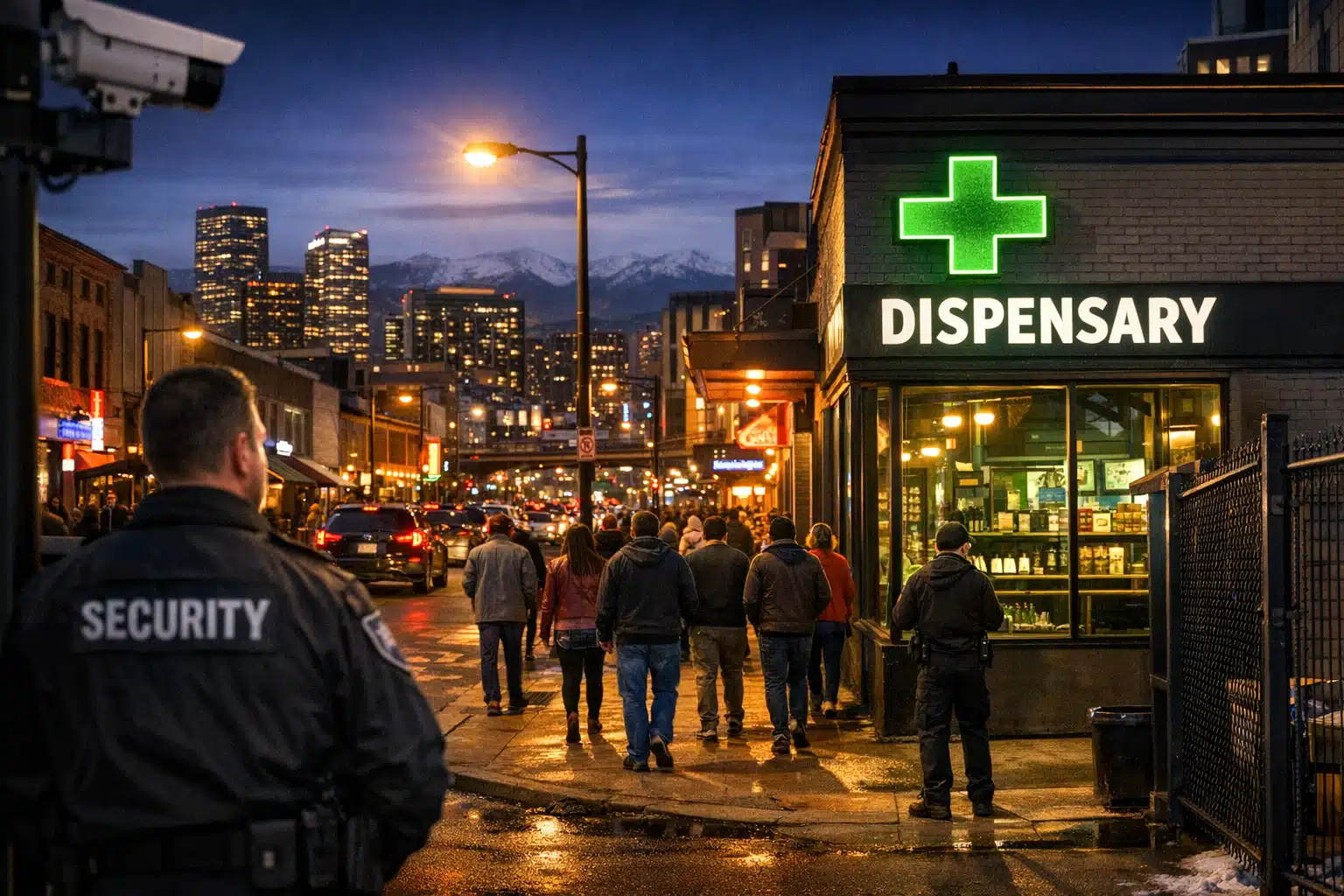
Protecting your Denver business requires a structured emergency response plan that enables immediate, coordinated action during security incidents. This involves identifying location-specific risks - whether you operate a downtown dispensary or construction site - and establishing clear protocols for threats like break-ins or equipment theft. A solid plan helps minimize losses and keeps minor incidents from becoming major setbacks.
Denver businesses face unique security challenges that demand immediate, coordinated responses. From the emergency response needs of downtown LoDo dispensaries during late-night break-ins to construction site equipment theft in rapidly developing neighborhoods like RiNo, having a structured plan can mean the difference between a minor incident and a devastating loss.
Business security incidents in Denver increased 18% last year, with most damage occurring in the first ten minutes before proper response protocols activated. This makes emergency response planning not just recommended, but essential for protecting your investment.
Why Denver Businesses Need Customized Emergency Response Plans
Denver’s elevation creates communication challenges that standard emergency plans overlook. Radio signals behave differently at 5,280 feet, and winter weather can isolate facilities for hours.
Cannabis facilities face additional complications. Colorado’s strict tracking requirements mean any security breach requires immediate MED notification, often within two hours of discovery.
Construction sites in expanding areas like Stapleton deal with delayed police response times. When theft occurs on a weekend, contractors report average response times exceeding 45 minutes.
Local Response Time Realities
Denver Police Department data shows average response times by district:
- District 6 (Downtown): 8-12 minutes during business hours
- District 3 (Capitol Hill/Highlands): 12-18 minutes
- District 2 (Aurora border): 15-25 minutes
- Construction zones: 20+ minutes due to access challenges
These gaps make immediate on-site response capabilities critical for minimizing losses.
Building Effective Emergency Response Protocols for Your Denver Business
Successful emergency response starts with understanding your specific vulnerabilities. A Capitol Hill dispensary faces different threats than a Highlands apartment complex.

Step 1: Threat Assessment by Location
Urban core businesses (LoDo, Capitol Hill) prioritize rapid deployment for break-ins and vandalism. Peak incident times occur between 2 AM and 4 AM when foot patrol coverage drops.
Suburban facilities (Aurora, Westminster) focus on perimeter security and early detection. Larger properties mean longer response times to reach incident locations.
Construction sites need equipment protection protocols. Copper theft peaks during economic uncertainty, with sites losing an average of $47,000 per incident.
Step 2: Communication Chain Setup
Establish clear escalation paths that account for Denver’s geography:
- Immediate detection: Automated alerts to on-site security or remote monitoring
- Assessment phase: Video verification within 60 seconds
- Response dispatch: On-site guards or law enforcement contact
- Stakeholder notification: Property managers, business owners
- Incident documentation: Required for insurance and compliance
Step 3: Technology Integration
Modern emergency response relies on integrated systems that work reliably at altitude. Standard equipment often requires recalibration for Denver’s atmospheric conditions.
Remote surveillance cameras must withstand temperature swings from -10°F winter nights to 95°F summer days. Motion sensors need adjustment for wind patterns common along the Front Range.
Seasonal Emergency Response Considerations
Denver’s climate creates rotating security challenges throughout the year.
Winter Response Planning (November-March)
Snow and ice affect both criminal activity patterns and emergency response capabilities. Break-ins increase 23% during heavy snowfall periods when visibility drops.
Critical winter protocols include:
- Backup power systems for surveillance equipment
- Alternative communication methods when cell towers experience weather interference
- Clear evacuation routes that account for icy conditions
- Coordination with snow removal for emergency vehicle access
Construction Season Challenges (April-October)
Active construction creates security blind spots and access complications. Emergency responders often struggle to navigate changing site layouts.
Update emergency contact information monthly during construction season. Site supervisors change frequently, and outdated contact lists delay critical communications.
Cannabis Facility Emergency Response Requirements
Colorado cannabis businesses operate under strict regulatory oversight that affects emergency response procedures. MED compliance requires specific documentation and notification timelines.
Mandatory Response Elements
Cannabis facilities must maintain 24/7 monitoring capabilities. Any security system failure requires immediate backup activation and state notification.
Required response timeline:
- 0-5 minutes: Automated intrusion detection and video recording activation
- 5-15 minutes: Security personnel assessment and law enforcement contact
- 15-30 minutes: On-site response team arrival
- Within 2 hours: MED incident reporting completion
Failure to meet these timelines can result in license suspension or revocation.
Inventory Protection Protocols
Cannabis theft attempts target high-value flower and concentrate products. Emergency response plans must include immediate inventory verification procedures.
Successful facilities use dual-verification systems. Security personnel conduct initial assessment while automated systems photograph all product storage areas during incidents.
Apartment Community Emergency Response
Multi-family properties face unique challenges balancing security response with resident privacy and accessibility needs.
Resident Communication During Incidents
Emergency situations require immediate resident notification without creating panic. Effective systems use multiple communication channels:
- Text alerts: Brief, factual updates about ongoing situations
- Email follow-up: Detailed information and safety instructions
- Posted notices: Backup communication for residents without mobile devices
Access Control During Emergencies
Apartment emergencies often require temporary access changes. Fire department entry, utility company access, or police investigations need immediate accommodation.
Modern access control systems allow remote lockdown or opening of specific areas. Property managers can grant temporary access without compromising long-term security.

 Posted on Google
Remote Surveillance Integration
Effective emergency response depends on real-time information gathering. Remote surveillance provides immediate incident verification and ongoing situation monitoring.
Live Monitoring Benefits
Remote security operators can assess incidents within 30 seconds of alarm activation. This rapid verification prevents false alarm responses while ensuring genuine emergencies receive immediate attention.
Live monitoring also provides real-time updates to responding officers. Security operators can guide law enforcement to specific incident locations and provide suspect descriptions or vehicle information.
Evidence Preservation
Remote surveillance systems automatically preserve video evidence during emergency activations. This documentation proves crucial for insurance claims and criminal prosecutions.
Business security investigations succeed more often when high-quality video evidence exists. Remote monitoring ensures optimal camera positioning and recording quality during critical incidents.
Training and Regular Testing
Emergency response plans fail without regular practice and refinement. Denver businesses should conduct quarterly emergency drills that test all system components.
Drill Components
Effective emergency drills simulate realistic scenarios specific to your business type and location:
- After-hours break-in attempts with motion sensor activation
- Perimeter security breaches testing fence line monitoring
- Internal theft scenarios evaluating access control responses
- Weather-related system failures activating backup procedures
Performance Measurement
Track specific metrics during emergency drills:
- Detection time: How quickly systems identify security breaches
- Verification speed: Time required to confirm genuine emergencies
- Response deployment: Minutes until security personnel arrive on-site
- Communication effectiveness: Stakeholder notification completion rates
Use these measurements to identify improvement opportunities and refine response procedures.
Conclusion
Comprehensive emergency response planning protects Denver businesses from the unique security challenges of our high-altitude, rapidly growing city. From cannabis compliance requirements to construction site vulnerabilities, tailored response protocols minimize incident damage and ensure regulatory compliance.
Effective plans combine immediate detection capabilities, rapid response deployment, and clear communication procedures that account for Denver’s geography and climate challenges.
Contact Twin City Security Denver at 303-574-0000 or Denver@TwinCitySecurity.com to develop customized emergency response protocols for your Denver business location.
Sources
- Denver Police Department – Crime Statistics and Response Data
- Colorado Cannabis Regulatory System – MED Compliance Requirements
- National Weather Service Boulder – Denver Climate and Weather Patterns
- Bureau of Justice Statistics – Commercial Security and Crime Prevention
Denver businesses face unique security challenges due to high altitude, climate extremes, and varying police response times across districts. A structured emergency response plan can prevent minor incidents from becoming major losses.
- Business security incidents in Denver rose 18% last year, with most damage occurring in the first ten minutes before response protocols activated. Police response times range from 8 to 25 minutes depending on district and location.
- Cannabis facilities must maintain 24/7 monitoring and report security breaches to MED within two hours. Construction sites lose an average of $47,000 per theft incident, with copper theft spiking during economic uncertainty.
- Effective plans require threat assessments by location, clear communication chains, technology calibrated for altitude, and quarterly emergency drills to test detection time and response speed.
