

How to Prepare Your Denver Office Building for Spring Security Assessments
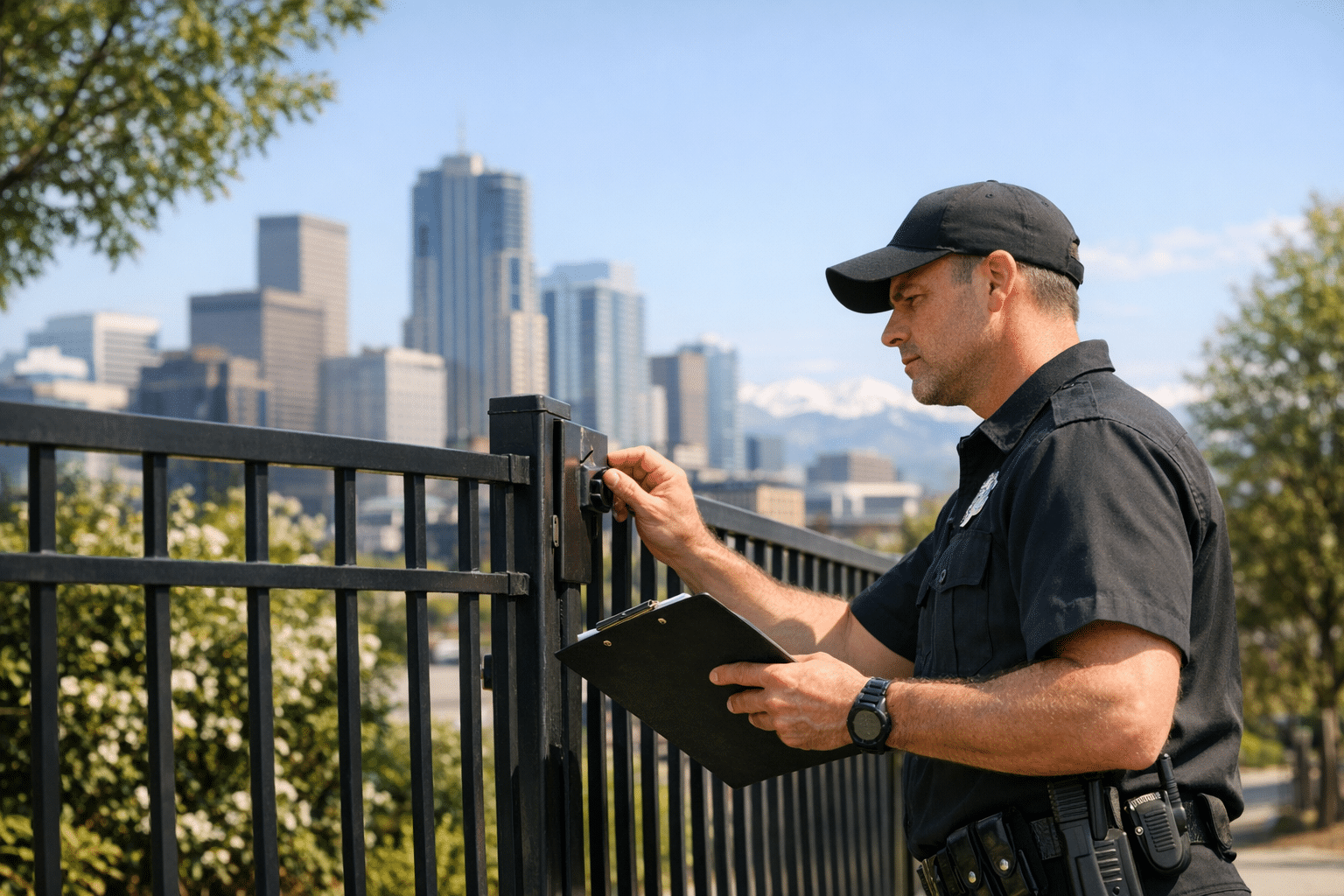
To prepare your Denver office building for spring security assessments, conduct a thorough evaluation of security measures, identify vulnerabilities that may have developed over winter, and implement necessary improvements. This proactive approach helps enhance safety and ensures that your building is secure for the upcoming season.
Spring brings more than warmer weather to Denver office buildings. The season marks the perfect time for comprehensive office building security evaluations that address vulnerabilities accumulated over winter months.
Property managers and building owners face unique challenges when preparing for security assessments. Weather changes, increased foot traffic, and seasonal staffing shifts create new security considerations that require systematic evaluation.
This guide walks through the critical steps needed to prepare your Denver office building for thorough spring security evaluations.
Understanding Spring Security Assessment Requirements
Spring assessments differ from routine security checks because they address seasonal vulnerabilities. Winter weather often reveals structural weaknesses, equipment failures, and procedural gaps that weren’t apparent during other seasons.
**Professional security assessments examine five core areas:** physical barriers, access control systems, surveillance coverage, emergency procedures, and personnel protocols. Each area requires specific preparation to deliver meaningful evaluation results.
The assessment process typically takes 2-3 days for mid-sized office buildings. Preparation should begin 30 days before the scheduled evaluation to address any identified issues proactively.
Physical Security Infrastructure Review
Begin your preparation by conducting a thorough walkthrough of all physical security elements. Document any damage, wear, or malfunction discovered during winter months.
Exterior Perimeter Assessment
**Check these exterior elements systematically:**
- Fence integrity and gate mechanisms
- Parking lot lighting functionality
- Landscaping that may obstruct sightlines
- Loading dock security features
- Exterior door locks and hardware
Winter weather often damages outdoor security equipment. Replace any compromised components before the assessment begins.
Interior Security Features
Interior security systems require equal attention during preparation. Test all electronic locks, verify stairwell security, and confirm that restricted areas remain properly secured.
**Emergency exit systems need particular focus.** Ensure all exits function properly and that emergency lighting works throughout the building. Spring assessments often identify exit-related issues that developed during winter emergency shelter procedures.
Access Control System Preparation
Access control systems form the backbone of office building security. Prepare these systems by updating user databases, testing card readers, and verifying system logs.
**Start with a complete user audit.** Remove access credentials for former employees, contractors, and temporary workers who no longer require building entry. This step alone often reveals significant security gaps.
Technology System Testing
Test each access point individually to verify proper function. Card readers, keypads, and biometric scanners all require verification before assessment day.
**Document these key metrics:**
- Average response time for access requests
- Failed authentication attempt rates
- System uptime percentage over the past 90 days
- Integration status with other security systems
System logs provide valuable data for assessors. Ensure logs are current, properly formatted, and easily accessible during the evaluation.
Surveillance System Optimization
Video surveillance systems require careful preparation to demonstrate their effectiveness during assessments. Clean camera lenses, verify recording quality, and test remote monitoring capabilities.
**Camera positioning often needs adjustment after winter months.** Wind, precipitation, and building settling can shift camera angles enough to create blind spots or reduce coverage effectiveness.
Storage and Retrieval Systems
Verify that video storage systems function properly and that footage retrieval works efficiently. Assessors will test both live monitoring and historical footage access.
**Storage capacity planning becomes critical during spring assessments.** Increased daylight hours and higher occupancy levels generate more recorded footage, potentially straining storage systems.
Emergency Response Procedure Updates
Spring weather patterns create new emergency scenarios that require updated response procedures. Review and update all emergency protocols before assessment day.
**Focus on these seasonal considerations:**
- Severe weather response protocols
- Increased occupancy evacuation procedures
- Communication systems during emergencies
- Coordination with local emergency services
Schedule emergency drills before the assessment to identify procedural weaknesses. Document drill results and any improvements made based on findings.
Communication System Testing
Emergency communication systems must function reliably during crisis situations. Test all public address systems, emergency phones, and mass notification systems.
**Backup communication methods require equal attention.** Cell signal boosters, two-way radio systems, and internet-based communication tools all need verification before assessment day.

 Posted on Google
Staff Training and Protocol Review
Security personnel and building staff need preparation time to demonstrate proper procedures during assessments. Schedule refresher training sessions covering all security protocols.
**Key training areas include:**
- Visitor management procedures
- Incident response protocols
- Emergency evacuation leadership
- Security system operation
- Documentation requirements
Role-playing exercises help staff practice procedures in realistic scenarios. These exercises often reveal gaps in training or procedural understanding that need addressing.
Documentation and Record Keeping
Organize all security-related documentation before the assessment begins. This includes incident reports, maintenance records, training certificates, and system operation manuals.
**Create a master file containing:** current security policies, emergency contact lists, vendor information, and recent security incident summaries. Assessors need quick access to this information during evaluations.
Vendor Coordination and Maintenance Scheduling
Coordinate with security system vendors to complete any needed maintenance before assessment day. This includes software updates, hardware calibration, and preventive maintenance tasks.
**Schedule these vendor services in advance:**
- Security system software updates
- Camera cleaning and adjustment
- Access control system calibration
- Emergency system testing
- Lock and hardware maintenance
Vendor maintenance often identifies issues that would otherwise surface during assessments. Address these issues proactively to demonstrate strong security management.
Final Assessment Preparation
Complete final preparations in the week leading up to your spring assessment. This includes confirming all systems function properly and that staff understand their roles during the evaluation.
**Create an assessment day checklist** covering system demonstrations, staff interviews, and documentation reviews. This checklist ensures nothing gets overlooked during the evaluation process.
Conduct a final walkthrough with key staff members to identify any last-minute issues. This walkthrough should mirror the assessment process to identify potential concerns before evaluators arrive.
Professional Assessment Benefits
Proper preparation maximizes the value received from professional security assessments. Well-prepared buildings receive more detailed evaluations and actionable recommendations for improvement.
**Professional assessments provide:** objective security evaluations, compliance verification, improvement recommendations, and documentation for insurance purposes. These benefits justify the preparation time invested.
Spring assessments also establish baseline security metrics for the coming year. These metrics guide security budget planning and improvement prioritization throughout the year.
Thorough preparation transforms security assessments from compliance exercises into valuable strategic planning tools. Building owners who invest in proper preparation receive comprehensive insights that guide security improvements and risk management decisions.
Twin City Security Denver provides comprehensive security assessments and preparation guidance for Denver office buildings. Contact us at 303‑574‑0000 to schedule your spring security evaluation and ensure your building meets the highest security standards.
Sources
- Cybersecurity and Infrastructure Security Agency – Physical Security
- National Institute of Standards and Technology – Security Guidelines
- ASIS International – Security Management Resources
Spring is an ideal time for Denver office buildings to undergo security evaluations that address vulnerabilities from winter. Property managers and building owners must systematically prepare for these assessments to ensure comprehensive evaluations.
- Spring assessments focus on seasonal vulnerabilities, unlike routine checks. They examine physical barriers, access control systems, surveillance coverage, emergency procedures, and personnel protocols.
- Preparation should start 30 days prior to the evaluation, including thorough reviews of physical and interior security features.
- Effective communication systems and staff training are crucial for successful assessments, ensuring all protocols are understood and followed.
