

How to Conduct a Spring Security Audit for Your Denver Business
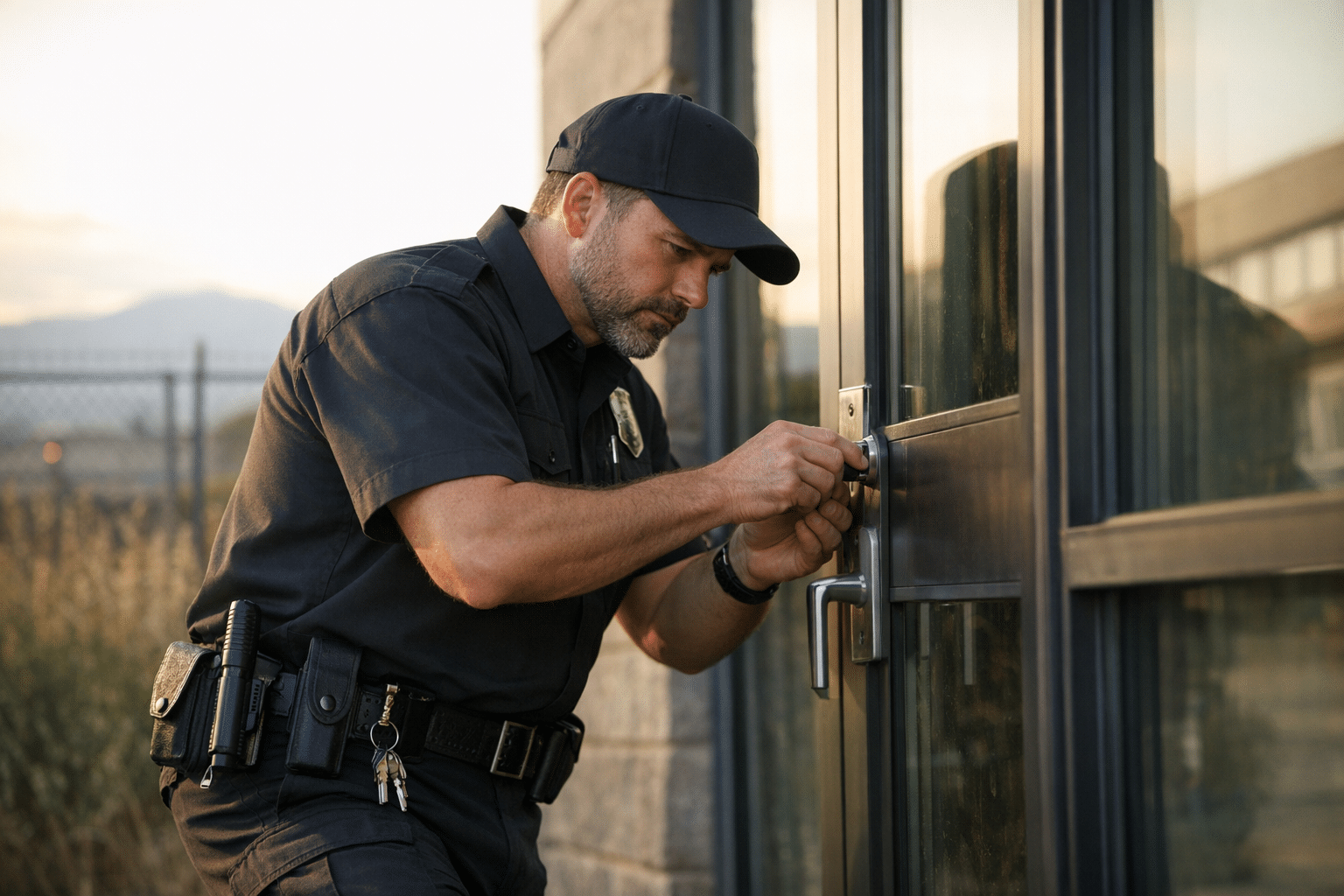
A spring security audit is a thorough examination of a business's security systems conducted in the spring. This process helps identify vulnerabilities that may have arisen during the winter months, ensuring that security protocols are updated and effective in protecting the business from potential threats.
Spring brings fresh energy to Denver businesses, making it the perfect time to examine your security systems with clear eyes. A spring security audit helps identify vulnerabilities that may have developed during the winter months when security protocols often become routine.
This comprehensive guide walks you through conducting a thorough security assessment that covers physical barriers, technology systems, and personnel protocols. You’ll discover specific steps to evaluate your current security posture and implement improvements before summer’s increased activity begins.
Why Spring is the Ideal Time for Security Audits
Spring represents a natural transition period when businesses prepare for increased activity and foot traffic. Weather damage from Denver’s harsh winters may have compromised physical security barriers. Staff turnover from seasonal changes requires updated access controls and training protocols.
Many security breaches occur during transitional periods when organizations focus on operations rather than protection. A systematic spring security audit addresses these seasonal vulnerabilities before they create costly incidents.
Physical Security Assessment
Physical barriers form your first line of defense against unauthorized access and criminal activity. Start your audit by examining all entry points, including doors, windows, loading docks, and emergency exits.
Exterior Perimeter Evaluation
Walk your property’s perimeter during both daylight and evening hours. Look for damaged fencing, overgrown vegetation that creates hiding spots, or new sight line obstructions that have developed since your last assessment.
Document any lighting fixtures that need repair or replacement. Denver’s winter weather often damages outdoor lighting systems that are crucial for maintaining visibility and deterring criminal activity.
Building Entry Points
Test each door and window lock to verify proper operation. Check that emergency exits function correctly but maintain security when not in use.
Examine door frames and window casings for damage that could compromise structural integrity. Winter weather expansion and contraction can weaken these critical security components.
Technology Systems Review
Modern security relies heavily on electronic systems that require regular maintenance and updates. Your technology audit should cover surveillance cameras, alarm systems, access control devices, and communication equipment.
Surveillance Camera Performance
Review camera footage quality from the past month to identify any degradation in image clarity. Clean camera lenses and housings that may have accumulated dirt or moisture during winter months.
Test camera positioning to confirm adequate coverage of high-risk areas. Verify that recording systems capture and store footage according to your retention policies.
Access Control Systems
Audit all electronic key cards, fobs, and biometric scanners for proper function. Remove access privileges for former employees and contractors who no longer require building entry.
Update access levels for current staff based on any role changes or departmental transfers that occurred during the winter period.
Personnel and Procedural Audit
Security effectiveness depends on consistent implementation by trained personnel. Your audit must evaluate both security staff performance and general employee compliance with safety protocols.
Security Staff Assessment
Review security guard schedules to identify any gaps in coverage or overtime issues that could impact alertness. Assess patrol routes and timing to verify comprehensive property monitoring.
Conduct skills testing to confirm guards can operate all security equipment properly. Document any training needs for new technology or updated procedures.
Employee Security Awareness
Survey employees about their understanding of current security procedures. Many workers become complacent with routine protocols and may need refresher training.
Test emergency response procedures through unannounced drills. Measure response times and identify areas where employee reactions could improve.
Creating Your Spring Security Audit Checklist
A systematic approach ensures you examine every aspect of your security infrastructure. This 12-step checklist provides a comprehensive framework for conducting your assessment:
- Perimeter inspection – Walk property boundaries and document any damage or vulnerabilities
- Lighting assessment – Test all exterior and parking area lighting during evening hours
- Entry point security – Examine locks, doors, windows, and access control devices
- Surveillance system check – Review camera positioning, image quality, and recording functions
- Alarm system testing – Verify all sensors, control panels, and communication links operate correctly
- Access privilege audit – Update employee access rights and remove inactive accounts
- Security staff evaluation – Assess guard performance, scheduling, and training needs
- Emergency procedure review – Test evacuation routes, communication systems, and response protocols
- Visitor management – Examine sign-in processes and escort procedures
- Incident report analysis – Review security events from the past six months for patterns
- Vendor security assessment – Evaluate contractors and service providers with building access
- Documentation update – Revise security policies and procedures based on audit findings

 Posted on Google
Identifying Common Spring Security Vulnerabilities
Certain security weaknesses appear frequently during spring audits in Denver businesses. Recognizing these patterns helps you focus attention on high-risk areas.
Weather-Related Damage
Colorado’s freeze-thaw cycles can damage security hardware and create structural vulnerabilities. Pay special attention to electronic locks that may malfunction due to moisture infiltration.
Inspect parking areas for potholes or surface damage that could create liability issues or provide criminals with objects to throw.
Seasonal Staffing Changes
Spring often brings personnel transitions that can compromise security continuity. New employees may not fully understand security protocols, while departing staff might retain unauthorized access.
Temporary workers and contractors require special attention during your audit to verify they have appropriate access levels without creating security gaps.
Developing Your Security Improvement Plan
Your audit findings should translate into a prioritized action plan that addresses the most critical vulnerabilities first. Focus on issues that pose immediate risks to business safety before tackling cosmetic or minor concerns.
Create timelines for implementing each improvement and assign specific responsibilities to team members. Budget for necessary equipment upgrades or additional security services based on your assessment results.
When to Call Security Professionals
Some security deficiencies require professional expertise to address properly. Complex technology issues, comprehensive guard service needs, or significant structural vulnerabilities benefit from experienced security consultants.
Professional security assessments provide objective analysis and industry-standard recommendations that internal audits might miss.
Measuring Audit Success
Track specific metrics to evaluate your security improvements over time. Monitor incident reports, employee compliance rates, and system performance data to gauge effectiveness.
Schedule follow-up assessments quarterly to maintain security standards and catch new vulnerabilities before they create problems. Regular monitoring prevents security degradation and maintains protection levels.
A thorough spring security audit identifies vulnerabilities before they become costly incidents and prepares your business for increased seasonal activity. The systematic approach outlined above helps you evaluate every aspect of your security infrastructure and create targeted improvements.
Ready to conduct a professional security assessment for your Denver business? Contact Twin City Security Denver at 303‑574‑0000 to schedule a comprehensive audit that identifies vulnerabilities and strengthens your protection systems.
Sources
- U.S. Department of Homeland Security – Physical Security Criteria for Federal Facilities
- National Institute of Standards and Technology – Guide to General Server Security
- ASIS International – Security Management Resources
Spring is an ideal time for Denver businesses to conduct a security audit to identify vulnerabilities that may have arisen during the winter. This guide provides a systematic approach to assess physical barriers, technology systems, and personnel protocols to enhance security before the busy summer months.
- Examine all entry points and assess physical barriers for damage or weaknesses. Regularly maintain and update electronic security systems to ensure optimal performance.
- Evaluate security staff performance and employee compliance with safety protocols to enhance overall security effectiveness.
- Create a prioritized action plan based on audit findings to address critical vulnerabilities and improve security measures.
