

How to Build a Security Plan for a High-Risk Construction Zone in Denver
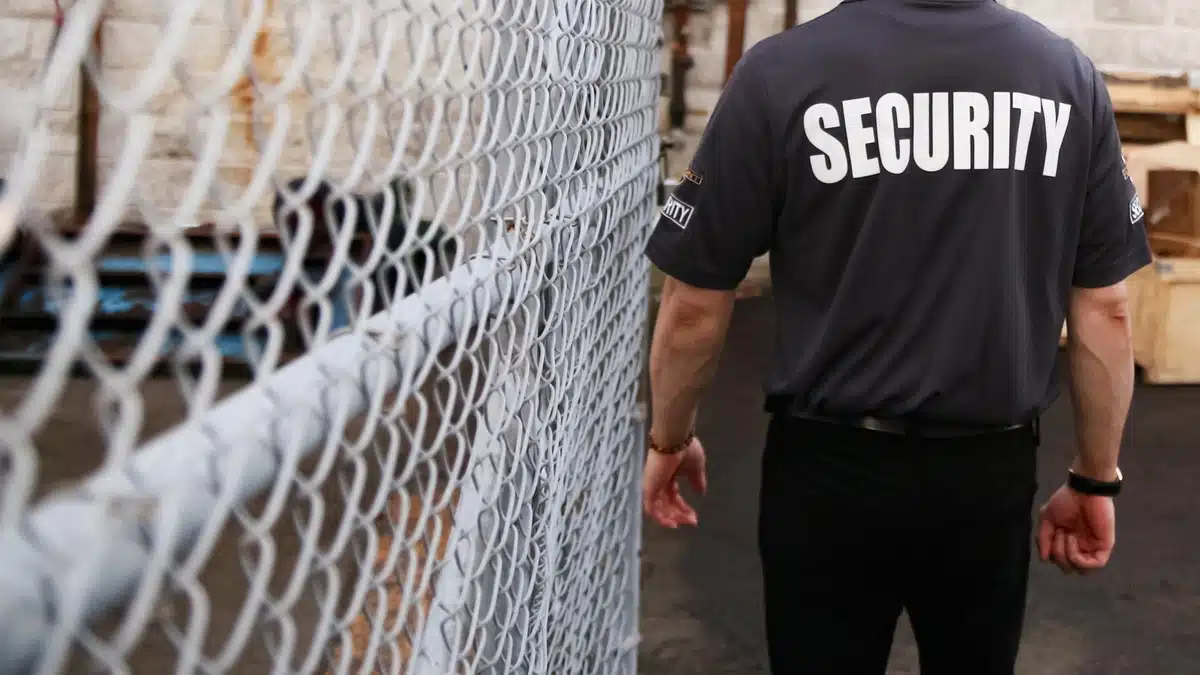
Building a security plan for high-risk construction zones in Denver requires a thorough evaluation of access control and safety protocols. Security teams must create tailored strategies that incorporate technology, personnel, and operational oversight to protect valuable assets and ensure worker safety.
- Access control systems are essential for preventing unauthorized entry and must be strategically placed based on site specifics.
- Regular training and clear incident reporting procedures are crucial for maintaining accountability and effective response to threats.
- A multi-layered security approach, including surveillance and mobile patrols, helps deter theft and vandalism while supporting operational efficiency.
Building a security plan for a high-risk construction zone involves assessing access control measures and identifying vulnerable areas. It is essential to design a plan that includes monitoring entrances and exits, implementing effective access control systems, and scheduling guard rotations to minimize predictable patterns that could be exploited by unauthorized individuals.
A comprehensive approach to site security in Denver construction projects begins with evaluating access control and understanding how each job impacts overall safety. Security teams must design site security plans that address every entrance, exit, and vulnerable area, particularly where valuable equipment is stored. Access control systems play a critical role in preventing trespassers from entering restricted zones, and the placement of these systems should consider the size of the property, the number of workers, and the flow of clients or contractors visiting the site. Guards must be assigned rotation schedules that prevent predictable patterns, ensuring that unauthorized individuals cannot exploit gaps in coverage.
Site security plans should integrate safety protocols, including camera surveillance, motion sensors, and perimeter monitoring, alongside physical barriers like fences and gates that meet construction standards. Each security protocol must be tailored to the property’s specific factors, such as the types of materials stored, equipment value, and proximity to public roads or neighboring properties. Security teams also need clear procedures for reporting incidents, coordinating with law enforcement, and documenting breaches to maintain accountability and improve risk management.
Regular training on safety and access procedures ensures that guards and staff understand their responsibilities and can respond effectively to threats. By layering access control systems, patrol schedules, and emergency response measures, construction sites create overlapping defenses that deter theft, prevent trespassers, and protect workers and clients. Considering all these concerns and implementing consistent security protocols reduces risks while maintaining operational efficiency, ensuring that both personnel and valuable assets remain safe throughout the project lifecycle.
Assessing Site Vulnerabilities and Mapping High-Risk Zones
Construction site security in Colorado requires a strategic approach that balances technology, personnel, and operational oversight. A quality company assigns construction site security guards to monitor entrances, equipment areas, and staging zones to prevent unauthorized access. Surveillance cameras and integrated surveillance systems provide real-time monitoring, allowing security teams to observe activity across multiple job sites and respond quickly to potential threats. Guards conduct regular patrols to maintain a visible presence, deter trespassers, and check for damage or vulnerabilities that could compromise site safety.
The construction industry faces unique risks, including theft of tools, machinery, and building materials, as well as vandalism or unauthorized intrusions. Security strategies must account for these threats while supporting the daily workflow of project managers and onsite personnel. Surveillance systems should be positioned to cover blind spots, poorly lit areas, and perimeter boundaries, providing comprehensive coverage that complements the physical patrols of trained security guards. Guards also coordinate with project managers to track deliveries, monitor client visits, and ensure that high-value assets are secured at all times.
An organized approach integrates technology, human vigilance, and site-specific knowledge to maintain operational continuity and safety. Real-time monitoring enables immediate incident reporting and response, while documented patrol schedules and risk assessments help the organization identify recurring vulnerabilities. By combining surveillance cameras, trained personnel, and proactive oversight, construction companies in Colorado protect their job sites effectively, reduce loss from theft or vandalism, and maintain a secure environment for workers, clients, and valuable assets.
Choosing the Right Mix of Guards, Patrols, and Technology
Implementing comprehensive security solutions for construction sites begins with understanding the infrastructure and identifying potential safety hazards that could compromise operations. Mobile patrols provide a flexible layer of protection, moving throughout the property to spot burglars or unauthorized activity while responding quickly to incidents. These patrols complement fixed guard posts and surveillance systems, ensuring coverage of blind spots, equipment storage areas, and perimeter boundaries. Quick response teams allow security personnel to act immediately when alarms trigger or suspicious activity is detected, reducing the risk of theft or damage to construction equipment.
Training and skill development for security personnel are critical. Guards must understand construction site layouts, proper handling of safety hazards, and protocols for monitoring high-value assets. Their expertise ensures that each patrol and response is efficient, coordinated, and aligned with regulatory requirements. Surveillance cameras, motion sensors, and alarm systems work alongside human patrols, creating overlapping layers of protection that safeguard both personnel and property.
Security planners also rely on statistics and risk assessments to determine guard deployment, patrol frequency, and camera coverage. High-risk areas, such as equipment storage zones or sections containing hazardous materials, receive extra attention. With these measures in place, project managers gain peace of mind knowing that trained security personnel, technological systems, and proactive protocols work together to prevent theft, vandalism, and safety incidents. A well-structured security program not only protects physical assets but also maintains operational continuity, supporting the overall efficiency and success of construction projects.
Securing Equipment, Materials, and After-Hours Access Points
Construction sites face persistent threats from theft and vandalism, costing the industry billions annually in lost equipment, copper wiring, tools, and heavy machinery. Criminals target these sites deliberately, studying patterns, delivery schedules, and guard routines to exploit vulnerabilities. Protecting construction sites effectively requires a comprehensive, multi-layered security approach that goes beyond the measures employed by an average security guard company.
Equipment worth over $5,000 should be fitted with GPS tracking devices, allowing site managers and security personnel to monitor location in real time. These tracking systems integrate with access control systems, ensuring that only authorized personnel can move valuable items. Perimeter defenses, including fencing that meets ASTM F567 safety standards and reinforced vehicle barriers, block unauthorized trucks or cars from entering critical areas. These physical barriers, combined with strategic placement of motion-sensor cameras, create overlapping protection that deters burglars and reduces blind spots around the property.
Lighting is another essential factor in reducing theft and accidents. Construction managers should maintain illumination of at least 2.0 footcandles in storage areas and along key access points, allowing surveillance cameras to capture high-definition 4K images that include faces, license plates, and activity details. Cameras should integrate with a monitoring system that provides real-time alerts to security teams and project managers, enabling immediate response to suspicious behavior. Mobile patrols further enhance coverage by moving unpredictably across the site, discouraging potential intruders who might study routine guard schedules.
Human resources remain a critical part of effective site security. Hiring veterans or highly trained security personnel ensures that guards bring experience, situational awareness, and professionalism to the job. Low-level guards from average security companies may lack the skills needed to interpret complex security risks or respond appropriately to emergencies. Veterans and trained professionals are capable of handling conflict, controlling access points, and protecting both people and property. Guards should receive ongoing training in site-specific safety protocols, threat identification, and emergency response procedures. Regular assessments and drills reinforce these skills, ensuring readiness for a variety of scenarios, including attempted thefts, unauthorized access, or vandalism.
High-value materials and specialized equipment should be stored in secure structures equipped with Class 3 locks resistant to picking, drilling, and forced entry. Biometric authentication systems, such as fingerprint or hand scanners, ensure that only approved personnel can access these areas. Daily inventory checks and automated logging of serial numbers help detect discrepancies quickly, providing early warning of potential security breaches. Key management systems track the issuance and return of keys to personnel, preventing unauthorized removal of equipment.
Selecting the right security provider is critical to a site’s protection strategy. Project managers and business owners should ask detailed questions about the company’s track record, personnel training programs, and monitoring capabilities. Discussing preferences for patrol routines, alarm responses, and reporting protocols ensures that the provider can deliver a customized approach. Advice from experienced security consultants or veteran personnel can help guide these decisions, balancing cost with effectiveness. This proactive method strengthens the overall safety framework and provides peace of mind knowing that both assets and personnel are well protected.
By integrating access control, surveillance cameras, mobile patrols, and highly trained guards, construction companies create a comprehensive security system. Such a system not only reduces theft and vandalism but also ensures regulatory compliance, minimizes business interruptions, and protects valuable equipment. Strong coordination between security personnel, project managers, and law enforcement, along with routine evaluation of procedures, forms a robust defense against threats while maintaining operational efficiency across all job sites.
Creating a Response Protocol and Ongoing Monitoring Strategy
Construction sites face constant security challenges, even when strong systems are in place. A written, step-by-step response plan ensures that threats are handled efficiently, reduces losses, and keeps employees safe. Effective monitoring and response protocols should comply with OSHA workplace safety rules and local city regulations, providing a structured approach to managing incidents.
Key Components of a Construction Site Security Response Plan:
Chain of Command Structure – Clearly define who has authority to make decisions, who should be contacted first, and which personnel handle specific types of threats, such as theft, vandalism, trespassing, or workplace violence. This ensures that responses are timely and responsibilities are never unclear.
Incident Record Keeping – Standard forms should document when security problems occur, which equipment or materials were affected, eyewitness accounts, and photographic evidence of damage. These records are essential for insurance claims, legal compliance, and future incident analysis.
Equipment Monitoring Schedule – Security cameras, motion sensors, and alarm systems should be tested and reviewed regularly. Daily checks of alarms and weekly inspections of surveillance footage confirm that equipment functions properly, and backup power systems maintain operation during outages.
Alert Communication Network – Automated notifications should reach general contractors, site supervisors, property owners, insurance adjusters, and law enforcement based on the severity of incidents. Minor security concerns trigger internal alerts, while significant breaches activate full emergency response protocols.
Training and Drills – Crew members need regular sessions to recognize security risks, report suspicious behavior, and follow evacuation and emergency procedures. These exercises build familiarity with the response plan and improve overall site safety.
Construction site security integrates technology, human personnel, law enforcement coordination, and project management oversight. When executed properly, these measures create a comprehensive system that mitigates threats, protects valuable equipment, and maintains a safe working environment for all employees.
