

How Security Can Reduce Liability and Insurance Risks for Denver Properties
Commercial property owners in Denver face significant risks from theft, vandalism, and liability lawsuits, making strong security measures essential. Implementing effective security systems can lower liability exposure and reduce insurance costs for property owners.
- Security cameras, alarm systems, and trained personnel help prevent incidents and demonstrate responsible risk management. Properties with professional security often enjoy 5% to 20% lower insurance premiums.
- Courts evaluate whether owners took reasonable precautions, such as adequate lighting and surveillance, to protect tenants and visitors.
- Documentation from security systems aids in legal defense and insurance claims, showcasing that property owners have implemented necessary safety measures.
Implementing effective security measures can significantly lower liability and insurance risks for Denver property owners. By taking proactive steps, such as installing surveillance systems and improving lighting, owners demonstrate a commitment to safety, which can mitigate the likelihood of theft, vandalism, and accidents, ultimately protecting their financial interests.
Commercial property owners in Denver face growing risks from theft, vandalism, and liability lawsuits. When crimes or accidents occur on a property, courts often examine whether the owner took reasonable steps to protect tenants, customers, and visitors.
Implementing strong commercial property security in Denver can significantly reduce both liability exposure and insurance costs. Security cameras, alarm systems, access control technology, and trained security personnel help prevent incidents while demonstrating responsible risk management.
Insurance companies also evaluate security measures when calculating coverage terms. Properties with professional security systems often receive 5% to 20% lower insurance premiums, saving property owners thousands of dollars annually.
Why Liability Risks Matter for Commercial Properties
Premises liability lawsuits have become a major financial concern for property owners. When someone is injured or victimized on a property, courts evaluate whether the owner failed to provide adequate security.
In many cases, inadequate security claims occur when property owners lack basic protection measures such as surveillance cameras, lighting, or controlled access points.
The Growing Cost of Liability Claims
Legal settlements related to security failures can be extremely expensive.
Typical financial consequences include:
- Average settlements of $1.2 million for inadequate security claims
- Legal defense costs that increase total losses
- Rising insurance premiums after incidents occur
- Reduced property values due to risk exposure
These financial risks make commercial security systems a critical investment for Denver property owners.
What Colorado Courts Expect from Property Owners
Colorado courts evaluate whether property owners took reasonable precautions to prevent foreseeable crimes.
Courts often examine whether properties have:
- Adequate security lighting in parking areas and entrances
- Surveillance cameras covering public areas
- Access control systems limit unauthorized entry
- Security personnel are monitoring the property
- Written security procedures and incident reports
Property owners who implement these measures demonstrate responsible risk management and reduce legal exposure.
How Security Systems Help Prevent Incidents
Modern commercial security systems in Denver protect properties through multiple layers of defense. These systems reduce crime risks by deterring offenders, detecting suspicious activity, and documenting incidents.
Key Security Mechanisms That Reduce Risk
Security technology works through three main mechanisms.
Deterrence
Visible security measures discourage criminal behavior.
Examples include:
- Surveillance cameras at entrances
- Access control systems restricting entry
- Security signage indicating active monitoring
Properties with visible surveillance systems often experience significantly fewer break-ins and theft incidents.
Detection
Security systems detect suspicious activity before crimes escalate.
Common detection tools include:
- Motion sensors monitoring restricted areas
- Alarm systems trigger alerts during intrusions
- Access control systems track entry attempts
These systems allow property managers to respond quickly to potential threats.
trigger
Documentation
Recorded evidence plays an important role in both insurance claims and legal defense.
Security systems provide documentation such as:
- High-resolution surveillance footage
- Access logs showing who entered the building
- Alarm activation records
- incident reports created by security staff
This evidence demonstrates that property owners implemented reasonable security measures.
The Role of Security Personnel in Risk Reduction
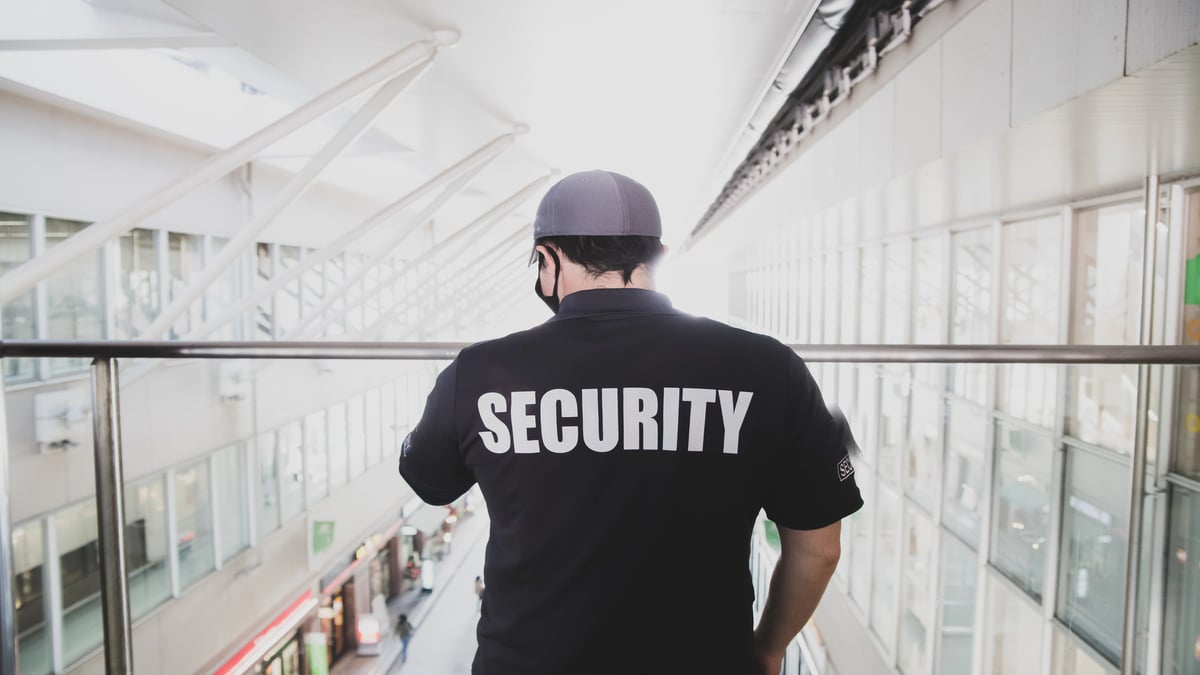
Technology alone cannot manage every security situation. Professional security guards provide real-time decision-making and immediate response when problems occur.
Security personnel add an important human layer to Denver commercial property security strategies.
How Security Guards Reduce Liability Risks
Trained security personnel actively prevent incidents and protect property occupants.
Key responsibilities include:
- Monitoring visitor access and verifying identification
- Responding immediately to suspicious behavior
- Investigating alarms and security alerts
- Coordinating with law enforcement during emergencies
Their presence discourages criminal activity and improves safety for tenants and visitors.
Why Security Guards Improve Legal Protection
Security guards also help property owners defend against liability claims.
Professional security teams provide documentation that courts often review, including:
- Daily patrol logs
- incident reports
- security activity records
- witness statements during emergencies
These records demonstrate that property owners took reasonable steps to maintain a safe environment.
Insurance providers recognize this risk reduction and may offer better policy terms for properties with professional security services.
Security Measures That May Support Insurance Protection
Insurance companies closely evaluate security systems when determining coverage eligibility and premium rates.
Properties with proven commercial security infrastructure typically qualify for lower insurance costs.
Security Features That Insurance Companies Value
Many insurers offer premium discounts for properties that install certain protective systems.
Common qualifying security measures include:
- Monitored alarm systems connected to response centers
- Surveillance cameras storing footage for at least 30 days
- Access control systems restrict unauthorized entry
- Security guard patrols and documents incident reports
- Motion-activated lighting around buildings and parking areas
These measures reduce the likelihood of theft, vandalism, and liability claims.
Why Documentation Matters for Insurance Claims
Insurance companies often require proof that security systems are properly maintained and operational.
Important documentation includes:
- Equipment maintenance logs
- security system testing records
- written emergency procedures
- guard training certifications
Maintaining these records helps ensure claims are approved and coverage remains valid.
The Benefits of Layered Security for Denver Properties
The most effective protection strategies combine multiple security measures. This approach is known as layered security or defense-in-depth.
Layered protection may include:
- Perimeter fencing and controlled access gates
- security cameras covering entrances and parking areas
- monitored alarm systems
- professional security guards conducting patrols
- visitor management systems tracking building access
Each layer strengthens the overall protection of the property and reduces vulnerabilities.
Protecting Denver Properties Through Strong Security Planning
Investing in commercial property security in Denver protects both people and financial assets. Strong security systems prevent incidents, lower liability risks, and reduce insurance costs for property owners.
Businesses that combine surveillance technology, access control systems, and trained security personnel create a safer environment for tenants, employees, and visitors.
With proper planning, security investments not only reduce crime risks but also improve insurance coverage, legal protection, and long-term property value.
