

Key Considerations for Securing Denver Warehouses This Spring
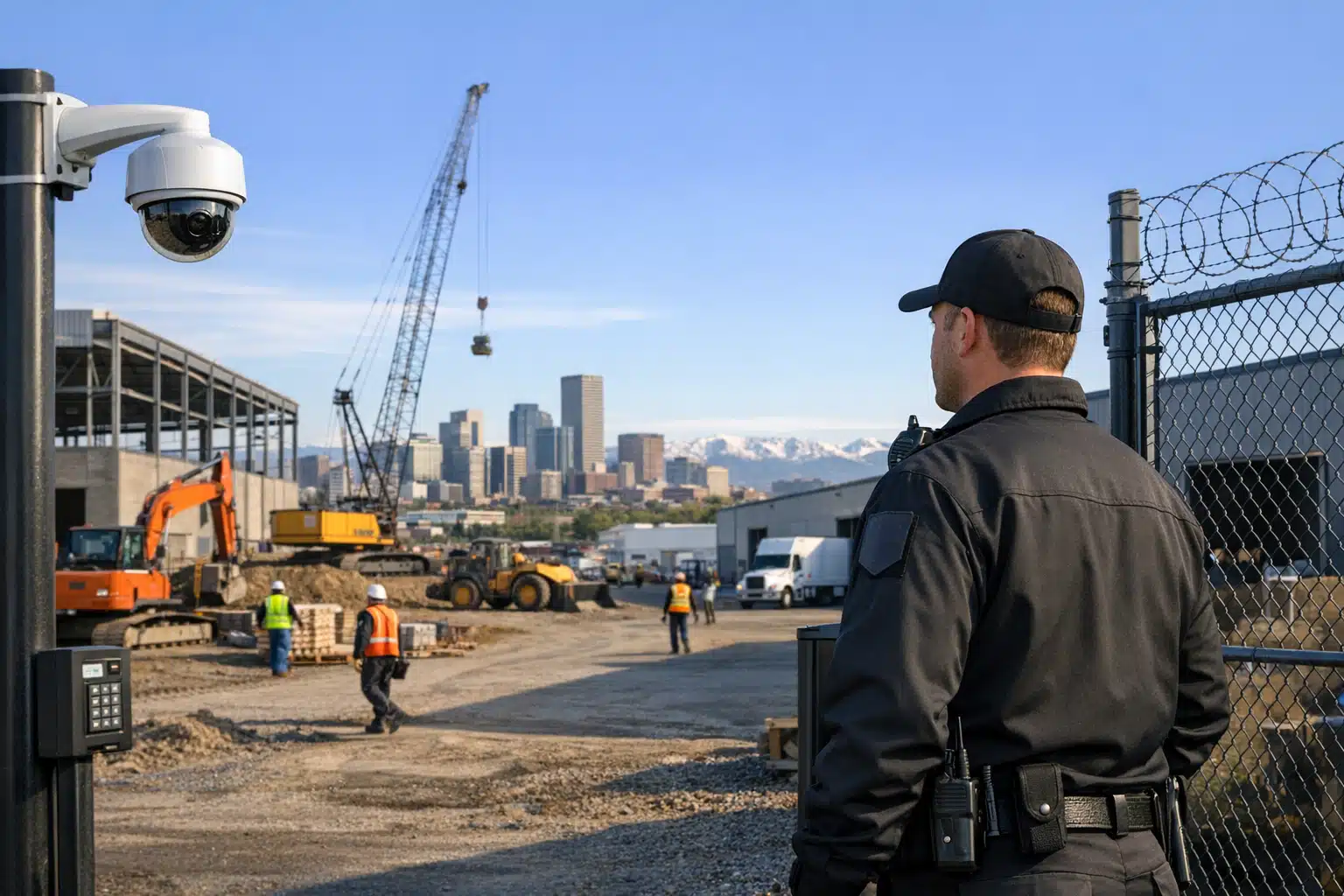
Denver warehouse theft rises by 23% during spring months due to increased construction activity and longer daylight hours that create new security vulnerabilities. The shift from winter's quieter period to spring's busier activity exposes warehouses to greater risks, making it necessary to adjust security strategies to address these seasonal changes and protect valuable inventory.
Denver warehouse theft increases by 23% during spring months as construction activity ramps up and longer daylight hours create new security vulnerabilities. The shift from winter’s quiet months to spring’s bustling activity requires immediate adjustments to your warehouse security strategy.
Spring brings specific challenges to Denver warehouse operators. Construction crews move equipment through industrial areas like Commerce City and Stapleton. New employees start seasonal positions. Inventory levels fluctuate as businesses prepare for summer operations.
Why Spring Creates New Warehouse Security Risks in Denver
Denver’s spring transition creates a perfect storm of security challenges. Temperature swings between 30°F nights and 70°F days affect electronic security systems. Rapid snow melt creates flooding risks in lower-elevation warehouse districts near the South Platte River.
The Mile High City’s construction season starts earlier than most regions. By March, contractors move valuable equipment through industrial corridors along I-25 and I-76. This increased activity provides cover for criminal reconnaissance.
Seasonal Staff Changes Create Vulnerabilities
Many Denver warehouses hire seasonal workers starting in April. Background checks may be rushed. Temporary employees lack familiarity with security protocols. Access control systems need updates for new personnel.
Returning seasonal staff may have expired credentials. Former employees might retain access codes or key cards. These gaps create entry points for internal theft.
Equipment and Inventory Fluctuations
Spring inventory buildups attract thieves targeting specific products. Construction materials, outdoor equipment, and HVAC units become high-value targets. Empty warehouse sections provide hiding spots during break-ins.
Loading dock activity increases dramatically. More trucks mean more opportunities for cargo theft. Extended hours strain existing security coverage.
Denver-Specific Environmental Factors Affecting Warehouse Security
Colorado’s high altitude affects security equipment differently than sea-level installations. Temperature fluctuations stress camera housings and motion detectors. UV exposure at 5,280 feet degrades outdoor equipment faster.

Spring windstorms create false alarms in perimeter detection systems. Hail damage can disable cameras and lighting. These weather events require security system resilience planning.
Regulatory Compliance During Season Changes
Denver fire codes require updated emergency lighting after time changes. Insurance policies may mandate seasonal security assessments. Workers’ compensation claims increase with new seasonal hires, making security documentation critical.
Cannabis warehouse operators face additional compliance requirements. Colorado’s seed-to-sale tracking intensifies during spring planting season. Security system downtime during equipment updates can trigger regulatory violations.
Spring Security Assessment Priorities for Denver Warehouses
Start your spring warehouse security review with these immediate priorities. Each addresses specific vulnerabilities that emerge during Denver’s seasonal transition.
Perimeter Security Evaluation
Inspect fencing for winter damage from snow loads and freeze-thaw cycles. Check gate mechanisms for proper operation after months of cold weather. Replace any locks that show signs of weather damage or tampering.
- Fence line integrity – Look for bent posts, loose panels, or gaps under gates
- Lighting functionality – Test all perimeter lights and replace burned-out bulbs
- Camera positioning – Verify winter weather hasn’t shifted camera angles or blocked views
- Motion sensor calibration – Adjust sensitivity settings for spring vegetation growth
Access Control System Updates
Review all active credentials in your system. Disable access for employees who didn’t return from winter layoffs. Create new profiles for seasonal hires with appropriate restrictions.
Test backup power systems for electronic locks. Spring storms can cause extended power outages. Battery backups must maintain security during electrical failures.
Technology Upgrades for Enhanced Spring Protection
Remote video monitoring becomes more valuable during spring activity increases. Advanced analytics can differentiate between legitimate warehouse activity and potential security threats.
Smart Detection Systems
Modern warehouse security systems use AI to recognize unusual patterns. These systems learn normal activity levels and alert operators to anomalies. During spring ramp-up periods, this technology prevents false alarms while maintaining vigilance.
Thermal imaging cameras work regardless of lighting conditions. Spring’s longer days don’t eliminate security risks – many warehouse break-ins occur during daylight hours when criminals blend with legitimate activity.
Integration with Existing Operations
Link security systems with warehouse management software. This integration tracks inventory movement and identifies discrepancies quickly. Real-time alerts help prevent internal theft during busy spring operations.
Mobile alerts keep security managers informed during off-site meetings with seasonal contractors. Instant notifications about perimeter breaches or unauthorized access enable rapid response.

 Posted on Google
Staff Training and Protocol Updates
Spring security training must address seasonal-specific scenarios. New employees need clear guidance on visitor management, delivery protocols, and emergency procedures.
Seasonal Worker Orientation
Create abbreviated security training for temporary staff. Cover basic access procedures, emergency contacts, and prohibited areas. Document training completion for liability protection.
Establish buddy systems pairing experienced staff with seasonal workers. This approach reduces security mistakes while building operational efficiency.
- Badge procedures – How to properly display and swipe access cards
- Visitor protocols – Steps for escorting contractors and delivery personnel
- Emergency responses – Location of alarms, exits, and assembly points
- Reporting procedures – Who to contact about suspicious activity or security concerns
Communication Protocols
Update contact lists for security monitoring companies and local law enforcement. Verify response procedures with Denver Police Department commercial crime units. Test emergency communication systems before peak activity periods.
Create clear escalation procedures for different threat levels. Minor incidents need different responses than active break-ins. Clear protocols prevent overreaction while maintaining appropriate vigilance.
Working with Professional Security Providers
Professional security assessments identify vulnerabilities that internal staff might miss. Denver-based security companies understand local crime patterns, weather challenges, and regulatory requirements.
Remote Monitoring Advantages
24/7 remote monitoring provides consistent coverage during spring transition periods. Professional monitoring centers maintain vigilance when your internal staff focuses on operational changes.
Remote monitoring scales with your operations. Busy periods get increased attention without hiring additional security personnel. Quiet periods maintain baseline protection without unnecessary costs.
On-Site Security Integration
Combine remote monitoring with strategic on-site presence during peak vulnerability periods. Security guards provide immediate response capability while remote monitoring offers comprehensive coverage.
Mobile patrol units can cover multiple warehouse locations efficiently. This approach works well for companies operating several facilities across Denver’s industrial areas.
Cost-Effective Security Strategies
Budget-conscious warehouse operators can implement layered security approaches. Start with basic improvements and add advanced features based on specific risk assessments.
Phased Implementation Plans
Begin with perimeter security improvements and access control updates. Add remote monitoring capabilities next. Advanced analytics and integration features can follow as budgets allow.
Many security improvements qualify for business insurance discounts. Document all security measures when renewing policies. Premium reductions can offset implementation costs over time.
Warehouse security requires year-round vigilance, but spring presents unique challenges in Denver’s climate and business environment. Temperature fluctuations affect equipment reliability. Increased construction activity creates new vulnerabilities. Seasonal staffing changes require updated protocols and training.
Professional security providers understand these local factors and can design appropriate protection strategies. Remote monitoring technology offers scalable coverage that adapts to seasonal activity changes. Regular assessments help identify emerging risks before they become security incidents.
Contact Twin City Security Denver at 303-574-0000 for a spring warehouse security assessment. Our Denver-based team understands local climate challenges, regulatory requirements, and seasonal crime patterns affecting warehouse operations throughout the metro area.
Sources
- Denver Police Department – Crime Prevention Resources
- Colorado Division of Fire Prevention and Control – Commercial Safety Requirements
- Colorado Marijuana Enforcement Division – Security Requirements
- National Weather Service Boulder – Denver Climate Data
Denver warehouse theft rises 23% during spring as construction activity increases and longer daylight hours create security gaps. Warehouse operators should adjust security strategies to address seasonal staffing changes, equipment fluctuations, and weather-related system vulnerabilities.
- Spring brings temperature swings between 30°F and 70°F that stress electronic security systems, while high altitude UV exposure and hail can damage cameras and lighting faster than at sea level.
- Seasonal hiring creates risks when background checks are rushed and temporary workers lack familiarity with security protocols, while former employees may retain outdated access credentials.
- Layered security approaches combining perimeter inspections, access control updates, remote monitoring, and staff training help address spring vulnerabilities while potentially qualifying for insurance discounts.
